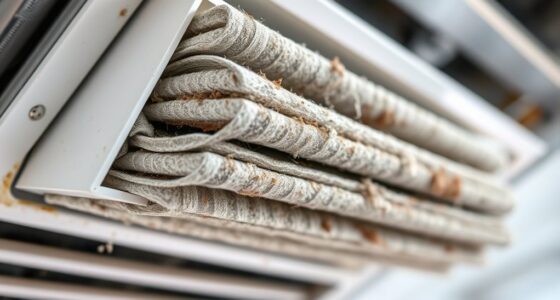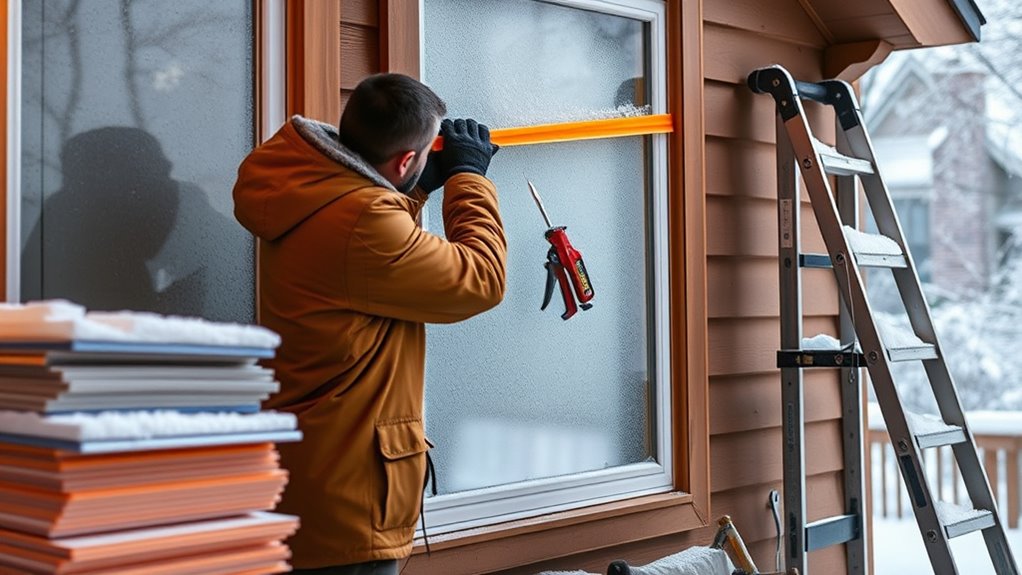

To winterize your home, start by inspecting and upgrading insulation in your attic, walls, and crawl spaces to boost heat retention. Seal drafts around windows and doors with weatherstripping or caulk, and consider using plastic window kits for extra protection. Address any gaps in vents or utility penetrations, and install door sweeps to block cold air. Taking these steps helps keep your home warm and energy-efficient all winter long—there’s more to explore for a cozy, cost-saving season.

Get your next haul delivered free — and shop member deals
- Fast, free delivery on millions of items
- Access to Prime Big Deal Days deals on October 6–7
- Prime Video, Amazon Music and more included
Key Takeaways
- Inspect and upgrade attic, wall, and basement insulation to improve heat retention.
- Seal windows with weatherstripping, caulk, or insulation kits to prevent drafts.
- Install door sweeps and seal gaps around vents and utility penetrations to block cold air.
- Focus on overall home energy efficiency by combining insulation and sealing measures.
- Regularly check and maintain these upgrades to ensure consistent warmth and lower energy costs during winter.
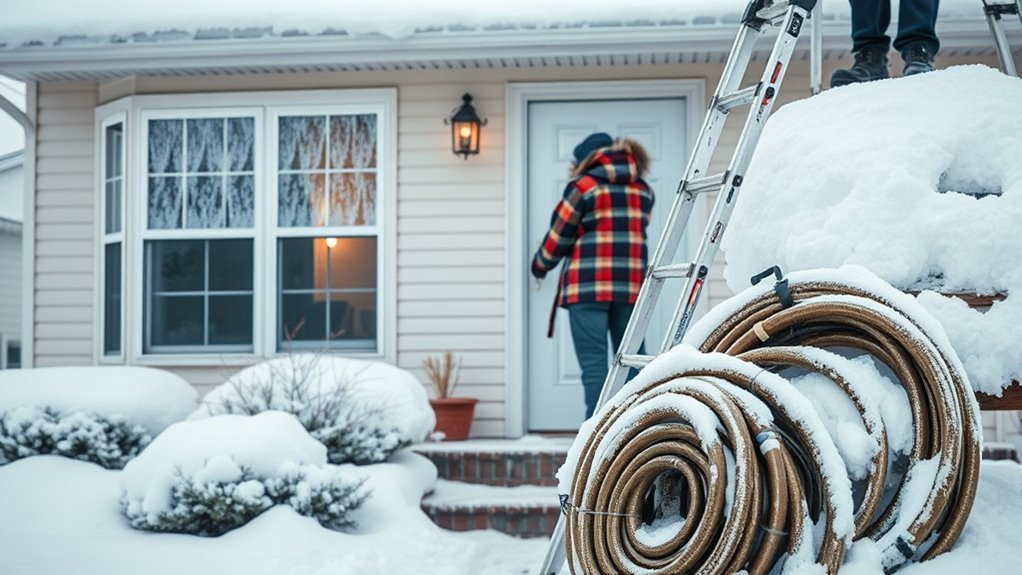
As winter approaches, it is vital to prepare your home to stay warm and prevent costly damage. One of the most effective ways to do this is by focusing on insulation upgrades and window sealing. Proper insulation keeps heat trapped inside, reducing the workload on your heating system and lowering energy bills. Start by inspecting your existing insulation, especially in the attic, walls, and crawl spaces. If you notice gaps, thinning areas, or if the insulation is old and compressed, it’s time to upgrade. Adding more insulation or replacing it with higher R-value materials can make a substantial difference in maintaining consistent indoor temperatures. Don’t forget to check the basement and garage, as these areas can also contribute to heat loss if poorly insulated.
Along with insulation, sealing your windows is essential. Drafty windows can let out a surprising amount of heat, making your home less efficient and uncomfortable. Use weatherstripping around window frames to block cold air from sneaking in. For any existing cracks or gaps, apply caulk generously—this is a quick, affordable fix that keeps drafts at bay. Consider adding plastic window insulation kits for an extra barrier against the cold. These kits are easy to install and can greatly improve your windows’ energy efficiency during winter months. If you’re planning to replace old or damaged windows, opt for Energy Star-rated models that are designed to withstand harsh winter conditions, providing better insulation and sealing.
In addition to insulation upgrades and window sealing, check for other potential sources of heat loss, such as door drafts or unsealed vents. Use draft stoppers or door sweeps at the bottom of exterior doors, and seal any gaps around utility penetrations or vents with appropriate weatherproof materials. This extensive approach ensures that warm air stays inside and cold air stays out, which is especially important during the coldest months of the year. Improving your home’s insulation can significantly enhance overall energy efficiency and comfort. Taking these steps now can save you money on heating costs later and keep your home comfortable throughout winter. Prioritizing insulation upgrades and window sealing not only enhances your home’s energy efficiency but also prolongs the lifespan of your heating system by reducing unnecessary strain. With a little effort upfront, you’ll enjoy a warmer, more secure home all season long.
As an affiliate, we earn on qualifying purchases.
Frequently Asked Questions
When Should I Start Winterizing My Home?
You should start winterizing your home in early fall, ideally before temperatures drop considerably. This is the perfect time to upgrade insulation and install energy-efficient windows, which help retain heat and cut heating costs. By acting early, you prevent cold drafts and moisture issues. Don’t wait until winter hits; proactive measures ensure your home stays warm and cozy all season long.
How Much Does Winterizing Typically Cost?
Winterizing your home typically costs between $300 and $1,000, depending on the size and needed upgrades. You might spend more on insulation upgrades or professional weather stripping, which can improve energy efficiency. Doing some tasks yourself can save money, but for thorough winterization, consider hiring professionals. Budget for materials like weather stripping and insulation, and keep in mind that investing now can lower your heating bills later.
Can I Winterize My Home Myself or Hire a Professional?
You can definitely winterize your home yourself with some DIY tips, but hiring professional services guarantees thorough work and peace of mind. If you’re comfortable with basic home maintenance, tackling tasks like sealing windows and insulating pipes is doable. However, for complex tasks like inspecting the furnace or sealing vents, professionals bring expertise and save you time. Decide based on your skills and comfort level, and don’t hesitate to seek professional help if needed.
What Are Common Winter Hazards in Homes?
Like a knight preparing for battle, you face winter hazards such as frozen pipes, ice dams, and heating system failures. You should prioritize HVAC maintenance and chimney safety to prevent dangerous issues. Beware of blocked vents and faulty wiring, which could cause fires or carbon monoxide poisoning. Regular inspections and proper sealing help keep your home safe, warm, and secure during the cold months. Stay vigilant and proactive.
How Do I Prevent Frozen Pipes Effectively?
To prevent frozen pipes, you should insulate your pipes with pipe insulation, especially in unheated areas. Additionally, install faucet covers on outdoor faucets to protect them from freezing temperatures. Keep your home’s thermostat at a consistent temperature, ideally above 55°F. Letting a slow drip from faucets can also prevent freezing. These steps effectively reduce the risk of pipes bursting during cold weather.
weatherstripping for windows and doors
As an affiliate, we earn on qualifying purchases.
As an affiliate, we earn on qualifying purchases.
Conclusion
Now that you’ve taken these steps, your home is ready to brave the winter like a fortress. Think of it as wrapping your house in a warm, cozy blanket, keeping the cold at bay. With a little effort now, you’ll prevent costly repairs and enjoy a snug, comfortable winter. So, roll up your sleeves and finalize these tasks—your home will thank you, and you’ll stay warm and worry-free all season long.
As an affiliate, we earn on qualifying purchases.
As an affiliate, we earn on qualifying purchases.
Fall Picks
fall essentials
As an affiliate, we earn on qualifying purchases.