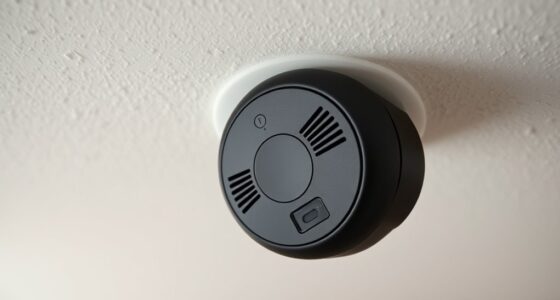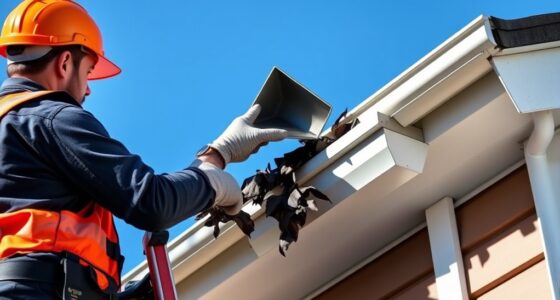
To perform a thorough spring maintenance inspection, start by checking your roof for damage and clearing gutters to prevent water issues. Then, inspect your HVAC system by replacing filters and scheduling professional tune-ups. Look for leaks around sinks and toilets, and test your smoke and carbon monoxide detectors. Don’t forget to examine windows, walls, and the yard for hazards. Continuing will help you uncover more tips to keep your home safe and efficient all season long.

Get your next haul delivered free with Prime
- Fast, free delivery on millions of items
- Prime Video, Amazon Music and more included
- Member-only deals all year
Key Takeaways
- Inspect roofing for missing or damaged shingles and repair as needed.
- Check gutters and downspouts for debris and ensure proper water flow.
- Examine the foundation for cracks, shifts, or signs of settling.
- Test and clean HVAC systems, including filters and ventilation.
- Review safety devices like smoke and carbon monoxide detectors, replacing batteries if necessary.
Spring Maintenance
Are you ready to give your home a fresh start after winter? Spring is the perfect time to breathe new life into your space, and a thorough spring cleaning combined with a seasonal checkup can make all the difference. This is the ideal moment to inspect your home’s systems and address any issues that winter may have left behind. By tackling these tasks now, you’ll prevent small problems from becoming costly repairs later and ensure your home is safe, efficient, and comfortable throughout the warmer months.
Start with your spring cleaning. Immerse yourself in areas that tend to collect dust and grime during the colder months—like behind appliances, vents, and window sills. Don’t forget to wash windows, wipe down walls, and dust ceiling fans. Moving furniture to vacuum underneath can also reveal hidden dirt and allergens. This deep clean not only refreshes your home’s appearance but also improves indoor air quality. As you clean, keep an eye out for any signs of damage or wear, such as water stains, mold, or pests. Spotting these early helps you address issues before they escalate. Additionally, inspecting your home’s systems ensures you’re prepared for the upcoming season.
Next, perform a seasonal checkup on your home’s major systems. Start with your heating and cooling units. Even if you’re not using the AC yet, ensure the filters are clean and the units are functioning properly. Schedule a professional inspection if needed, especially for your HVAC system. Check your roof for missing or damaged shingles, and clear any debris from gutters and downspouts. Clogged gutters can cause water damage or leaks when rain picks up, so keeping them clear is essential. Inspect your foundation for cracks or signs of shifting, which can lead to more serious structural problems if ignored.
Don’t forget to examine your plumbing. Look for leaks under sinks, around toilets, and near appliances. Replace worn-out washers and tighten fittings as needed. Also, test your sump pump if you have one, and consider flushing your water heater to remove sediment buildup. Outside, inspect your lawn and landscape. Trim overgrown branches away from your home, and check sprinkler systems to ensure they’re working efficiently. These steps help prevent water intrusion and pest problems while keeping your yard healthy.
Finally, consider safety measures. Test smoke and carbon monoxide detectors, replace batteries, and review your emergency plan. Proper backup power readiness can also be a vital safety feature to consider, especially during storm seasons. With a little effort, your home will be ready to face the season ahead. By combining spring cleaning with a detailed seasonal checkup, you’re setting the stage for a safe, efficient, and enjoyable spring and summer. Take the time now, and you’ll thank yourself later for a home that’s in top shape.
As an affiliate, we earn on qualifying purchases.
Frequently Asked Questions
How Often Should I Perform Spring Maintenance on My HVAC System?
You should perform spring maintenance on your HVAC system at least once a year, ideally during seasonal scheduling in early spring. This maintenance frequency helps make sure your system runs efficiently and prevents unexpected breakdowns. Regular inspections, cleaning, and filter changes keep your system in top shape. By sticking to this schedule, you’ll enhance performance, reduce energy costs, and extend your HVAC’s lifespan, making seasonal maintenance a smart, proactive choice.
Can I Do Spring Maintenance Myself or Should I Hire a Professional?
Did you know that DIY maintenance can save you up to 30% on repair costs? You can handle simple spring maintenance with DIY tips like changing filters and cleaning vents, but for more complex tasks, it’s wise to hire professional services. Doing some tasks yourself keeps costs down, but trusting experts guarantees thorough inspection and safety. Balance your skills with the job’s complexity to keep your HVAC system running smoothly.
What Are Signs That My Appliances Need Repairs During Spring?
If your appliances show signs of malfunction, like unusual noises, or if they’re not operating efficiently, it’s time to think about repairs. You might notice your refrigerator isn’t cooling properly or your washing machine makes strange sounds. These issues can signal underlying problems that, if left unaddressed, could worsen. Don’t ignore these signs—either troubleshoot if you’re comfortable or call a professional to ensure your appliances stay in good shape this spring.
How Long Does Typical Spring Maintenance Take?
Spring maintenance usually takes a few hours, but it might feel like an eternity if you’re just doing routine checks. You’ll want to carve out a dedicated day for spring cleaning and inspections, ensuring everything runs smoothly. Ironically, the more thorough your routine checks, the quicker you’ll catch issues before they turn into major repairs. So, plan wisely, and don’t rush — your home will thank you for it!
Are There Specific Safety Precautions for Spring Cleaning Tasks?
Yes, you should wear safety gear like gloves, goggles, and masks to protect yourself during spring cleaning. Always stay aware of hazards such as slippery surfaces or sharp objects. Keep your workspace well-ventilated, and handle chemicals carefully, following manufacturer instructions. By maintaining hazard awareness and using proper safety gear, you decrease the risk of injury and ensure a safer, more effective cleaning process.
As an affiliate, we earn on qualifying purchases.
Conclusion
Now that you’ve completed your spring maintenance, remember that regular inspections can cut your vehicle’s breakdown risk by up to 50%. Staying proactive not only saves you money but also keeps you safe on the road. Don’t overlook those small checks—they make a big difference in the long run. So, get out there, give your vehicle some TLC, and enjoy a smoother, worry-free driving season ahead!
As an affiliate, we earn on qualifying purchases.
smoke and carbon monoxide detector
As an affiliate, we earn on qualifying purchases.
As an affiliate, we earn on qualifying purchases.
Fall Picks
fall essentials
As an affiliate, we earn on qualifying purchases.