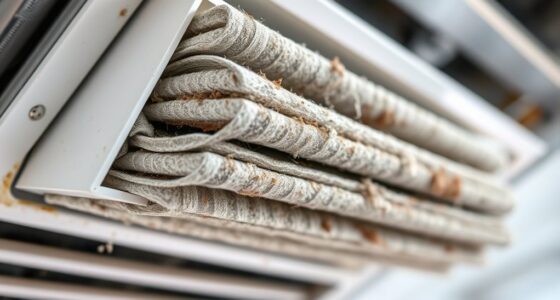
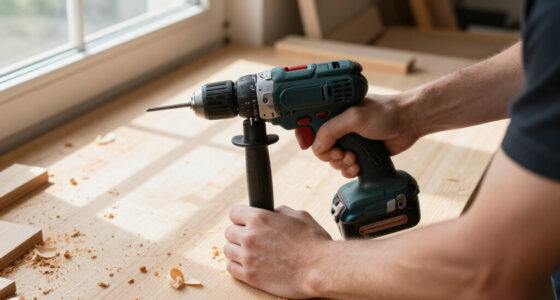
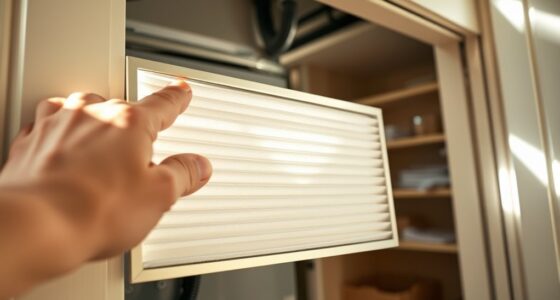
You can safely tackle small repairs like painting, furniture assembly, or simple plumbing if you’re comfortable, experienced, and follow safety guidelines. Avoid DIY for projects involving critical structural elements, electrical systems, or heavy machinery, as errors could be costly or dangerous. Recognize your skill limits and consider professional help when needed. If you want to learn more about when to DIY or call a pro, there’s useful guidance ahead.

Get your next haul delivered free — and shop member deals
- Fast, free delivery on millions of items
- Access to Prime Big Deal Days deals on October 6–7
- Prime Video, Amazon Music and more included
Key Takeaways
- Choose DIY for minor repairs or simple upgrades within your skill level and comfort zone.
- Call a professional for projects involving structural changes, electrical, or plumbing systems.
- Assess safety risks; avoid DIY if the task involves dangerous tools or hazardous materials.
- Ensure you have proper instructions, training, and safety equipment before attempting complex tasks.
- Prioritize safety and expertise to prevent costly mistakes or injuries, opting for professional help when in doubt.
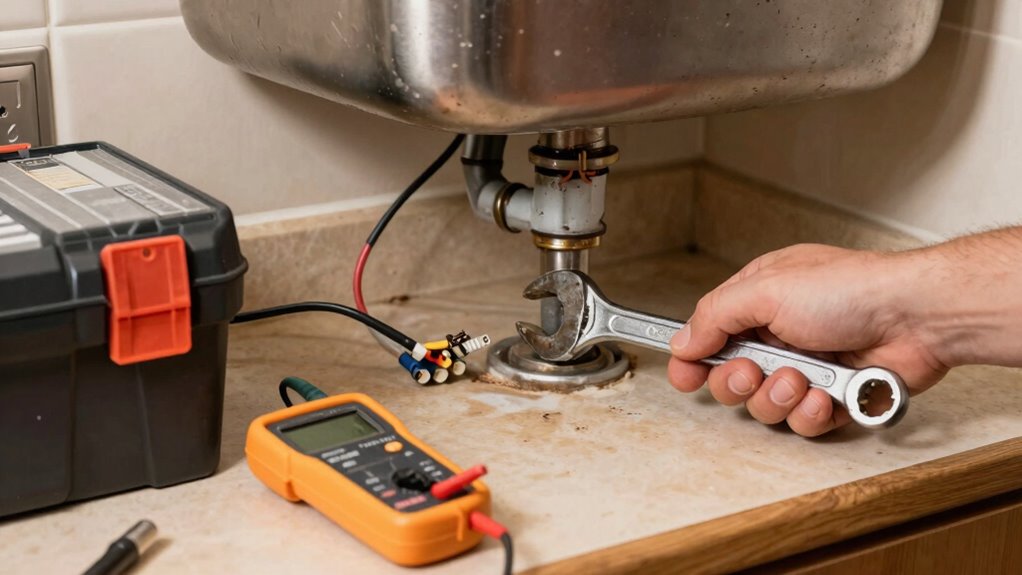
Deciding whether to tackle a project yourself or hire a professional can save you time, money, and headaches—if you know which jobs are suitable for DIY and which require expert skills. The key to making that decision is understanding your own capabilities and understanding the significance of tool safety and skill assessment. When you’re considering a DIY project, first evaluate your comfort level with the task. Do you have experience with similar projects, or are you venturing into uncharted territory? Honest skill assessment helps you avoid potential mishaps or injury down the line.
Tool safety is essential in this process. If the job involves power tools, heavy machinery, or anything that could cause harm if mishandled, think twice before proceeding. Proper training and safety gear are necessary, and if you’re not confident in your ability to operate tools safely, it’s better to call in a pro. For example, working with electrical wiring or plumbing can be dangerous if you don’t have the right skills or knowledge of safety protocols. Failing to follow safety guidelines not only risks personal injury but can also lead to costly mistakes or property damage. Recognizing the importance of tool safety can make all the difference in a successful DIY project.
On the other hand, some projects are perfectly suited to DIY, especially if they involve minor repairs or simple upgrades. Tasks like painting a wall, replacing a faucet, or assembling furniture often don’t require expert skills and pose minimal safety risks. In these cases, your skill assessment should focus on your comfort level and your ability to follow instructions carefully. If you’re detail-oriented and willing to research or watch tutorials, you’ll likely handle these projects well. Additionally, understanding construction safety protocols can help you evaluate whether a project is within your skill set or if a professional is the safer choice.
However, even for seemingly simple projects, consider the complexity and potential consequences of a mistake. If a project involves critical structural elements or could impact the safety of your home, it’s wise to consult a professional. When in doubt, get an expert’s opinion. Professional contractors not only bring experience but also understand tool safety best practices, which can prevent accidents and ensure the job is done right the first time. Recognizing the importance of safety protocols can also help you make informed decisions about your DIY limits. Ultimately, knowing when to DIY and when to call a pro hinges on honest skill assessment and prioritizing safety. Don’t underestimate the importance of understanding your limits, especially with tasks that involve dangerous tools or complex systems. When you recognize your boundaries and respect tool safety, you save yourself time, money, and stress—and you get peace of mind knowing the job’s done correctly.
As an affiliate, we earn on qualifying purchases.
Frequently Asked Questions
How Do I Identify a Hidden Electrical Problem?
To identify a hidden electrical problem, pay attention to signs like flickering lights, burning smells, or frequent circuit breaker trips. Use a voltage tester to check outlets for electrical safety, especially in areas with hidden wiring. If you notice warm outlets or buzzing sounds, it’s a sign of trouble. Remember, hidden wiring issues can be dangerous, so if you’re unsure, it’s best to call a professional electrician to inspect thoroughly.
What Safety Gear Should I Use for DIY Repairs?
Safety first, they say, and it’s true. When doing DIY repairs, always wear safety gloves to protect your hands and eye protection to shield your eyes from debris or splashes. These essentials keep you safe from unexpected hazards. Make sure your gear fits well and is in good condition. Remember, taking precautions isn’t just smart—it’s necessary to prevent injury and keep your project on track.
Can I Fix a Leaking Roof Myself?
You can attempt a roof leak fix if you conduct a thorough roof inspection first to identify the source of the leak. If the damage is minor and you’re comfortable working at heights, you might handle leak prevention yourself. However, if you notice widespread damage or suspect structural issues, it’s best to call a professional. Remember, a proper repair guarantees long-term protection and avoids costly future repairs.
How Do I Determine if a Repair Is Worth Doing Myself?
To decide if a repair is worth doing yourself, start with a budget assessment—can you afford tools and potential replacements? Check your skill level and tool maintenance—if you’re comfortable and equipped, it’s likely doable. For minor fixes like sealing leaks or replacing tiles, DIY is fine. But for complex issues requiring specialized tools or risking further damage, it’s better to call a pro. Always prioritize safety and quality.
What Are the Legal Requirements for Hiring a Professional?
You need to check local laws on contractor licensing and insurance requirements before hiring a professional. Many areas mandate licensed contractors to guarantee safety and compliance, especially for significant projects. Verify their credentials and insurance coverage, like liability and worker’s compensation, to protect yourself from potential liabilities. Failing to meet legal requirements could result in penalties or unfinished work, so always do thorough research and ask for documentation upfront.
As an affiliate, we earn on qualifying purchases.
Conclusion
Knowing when to DIY or call a pro can save you time, money, and frustration. For example, a recent survey shows that 70% of homeowners attempt minor repairs themselves, but only 30% successfully handle more complex issues. If a project feels overwhelming or involves safety risks, it’s wise to call in an expert. Trust your instincts—sometimes, investing in a pro guarantees the job’s done right the first time, saving you headaches down the road.
As an affiliate, we earn on qualifying purchases.
As an affiliate, we earn on qualifying purchases.
Halloween Picks
halloween
As an affiliate, we earn on qualifying purchases.