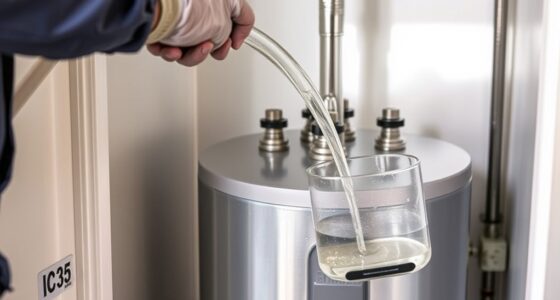
To guarantee your sump pump functions properly during power outages, you should regularly test it by manually activating the float switch and verifying the pump clears water effectively. Additionally, investing in a backup power source like a generator is vital; make certain it’s compatible, properly maintained, and capable of handling your pump’s load. Routine testing of both your pump and backup system helps prevent flooding. Keep going to discover more tips on maintaining a reliable sump system.

Get your next haul delivered free with Prime
- Fast, free delivery on millions of items
- Prime Video, Amazon Music and more included
- Member-only deals all year
Key Takeaways
- Regularly test the sump pump and float switch to ensure proper activation during water rise.
- Verify backup power systems, like generators, are compatible and capable of handling the sump pump’s load.
- Perform periodic generator load testing and maintenance to confirm reliable operation during outages.
- Use transfer switches or dedicated circuits for safe connection between the generator and sump pump.
- Maintain and inspect backup power sources and float switches proactively to prevent flooding during power failures.
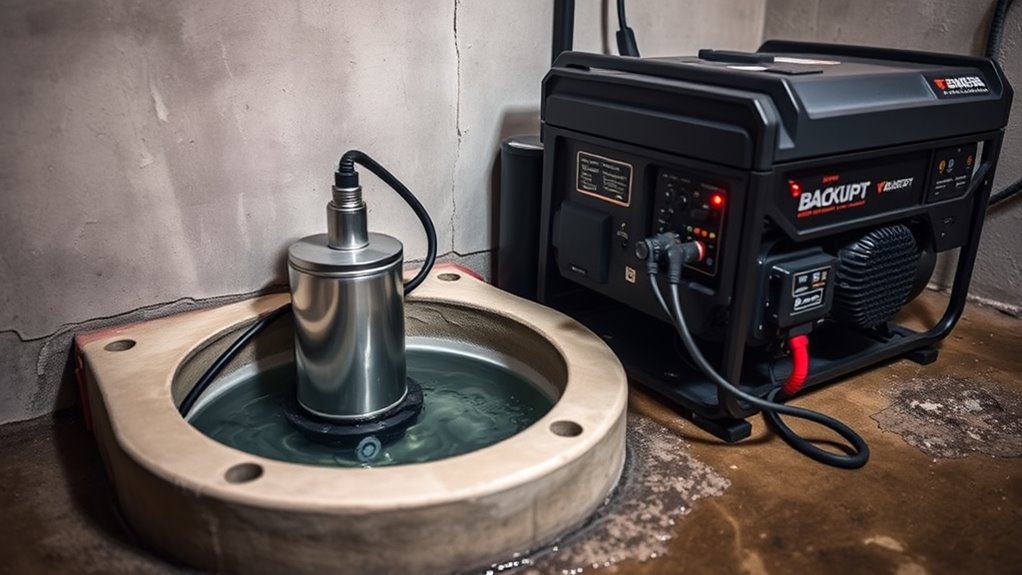
During heavy rain or unexpected power outages, your sump pump becomes a critical line of defense against flooding. When water levels rise quickly, you need to trust that your sump pump will activate reliably. To guarantee this, regular float switch maintenance is essential. The float switch is what triggers your pump to turn on when water reaches a certain level, so keeping it clean and free of debris is indispensable. Check that the float moves freely without obstructions, and inspect for any signs of wear or damage. If the float switch is malfunctioning, your sump pump might not activate during a storm, risking costly water damage. Incorporate routine testing—lift and lower the float to confirm the pump turns on and off properly. If you notice hesitation or failure, consider replacing the float switch or upgrading to a more durable model.
Beyond float switch maintenance, you also need to think about generator compatibility. Power outages can happen unexpectedly, leaving your sump pump useless unless you have a backup power source. Many homeowners opt for generators to keep their sump pumps functioning during outages. When selecting a generator, verify its compatibility with your sump pump’s power needs. Check the wattage requirements and ensure the generator can handle the startup surge of the pump. Some models are designed to automatically kick in when the power goes out, providing seamless protection without manual intervention. It’s also wise to consider a transfer switch that allows your generator to connect safely to your home’s electrical system, avoiding potential hazards. Regular testing of your generator guarantees it will start when needed and that it produces enough power for your sump pump and other critical systems. Additionally, understanding the importance of generator capacity ensures your backup system can handle all essential devices during an outage.
Testing your backup power solutions periodically is equally important. Run the generator under load conditions to confirm it functions correctly and can sustain your sump pump during an outage. Make sure your sump pump is connected to the generator either through a dedicated circuit or an appropriate extension cord rated for outdoor use. Keeping your generator’s fuel tank full and performing routine maintenance will help prevent surprises when you need it most. By combining diligent float switch maintenance with guaranteeing generator compatibility, you create a reliable system that protects your home from flooding, no matter the weather or power situation. These proactive steps give you peace of mind, knowing you’re prepared for the worst, and your sump pump will perform flawlessly when it matters most.
sump pump float switch replacement
As an affiliate, we earn on qualifying purchases.
As an affiliate, we earn on qualifying purchases.
Frequently Asked Questions
How Often Should I Schedule Professional Sump Pump Inspections?
You should schedule professional sump pump inspections at least once a year to guarantee proper sump pump maintenance. Regular checkups help identify potential issues early and keep your backup power system ready for emergencies. During inspections, professionals assess backup power safety, making sure your sump pump operates reliably during storms or power outages. Don’t wait until flooding occurs—annual inspections are your best defense to protect your home.
What Are Signs My Backup Power System Is Failing?
If your backup power system is failing, you’ll notice signs like the battery failing to hold a charge or not activating during a power outage. You might also hear strange noises or see corrosion around the battery. During test runs, the backup may not start properly or run for a shorter time than usual. Regularly check these indicators to confirm your system works reliably when you need it most.
Can I Install a Backup Generator Myself?
You can attempt DIY generator installation for your backup power system, but it’s often best to hire a professional. Installing a generator requires electrical knowledge, proper safety measures, and understanding local codes. If you’re comfortable with electrical work, you might handle the generator installation yourself, ensuring it connects correctly to your sump pump backup system. Otherwise, hiring an expert guarantees safety and proper setup, especially for critical DIY sump pump backup.
How Long Does a Sump Pump Battery Typically Last?
A sump pump battery typically lasts about 3 to 5 years, but this can vary based on usage and maintenance. To maximize battery life, you should regularly check and maintain the battery, keep it clean, and ensure the connections are secure. Performing periodic testing helps identify issues early. Proper maintenance and timely replacement guarantee your backup power remains reliable during outages, keeping your sump pump functioning when you need it most.
Are There Eco-Friendly Sump Pump Backup Options Available?
They say, “Every little bit helps,” and that’s true for eco-friendly sump pump backups. You can choose solar options or eco-friendly pumps that reduce energy consumption and environmental impact. Solar-powered backups harness sunlight, making them sustainable and cost-effective long-term. Eco-friendly pumps also use less electricity and are designed to be more efficient. By opting for these, you’re helping the planet while ensuring your sump pump stays powered during outages.
As an affiliate, we earn on qualifying purchases.
Conclusion
Now, picture a storm brewing outside, rain pounding relentlessly against your home. Your sump pump works tirelessly beneath the surface, silently guarding your basement. But if it fails when you need it most, floodwaters could seep in like an uninvited flood. Regular testing and a backup power source guarantee your safeguard stays strong, even in the darkest storms. Stay prepared, and keep your home dry—because peace of mind is the best shield against nature’s fiercest, unseen battles.
As an affiliate, we earn on qualifying purchases.
backup power generator for sump pump
As an affiliate, we earn on qualifying purchases.
As an affiliate, we earn on qualifying purchases.
Fall Picks
fall essentials
As an affiliate, we earn on qualifying purchases.