Whole-house surge protectors defend your home’s electrical system and appliances from voltage spikes caused by lightning, utility switching, and power surges at the main panel. They do a great job shielding against external surges but don’t protect against internal surges from appliances or wiring faults. For complete protection, consider combining them with point-of-use protectors for sensitive electronics. To learn how to maximize their effectiveness and understand their limitations, see what more you can do.

Get your next haul delivered free — and shop member deals
- Fast, free delivery on millions of items
- Access to Prime Big Deal Days deals on October 6–7
- Prime Video, Amazon Music and more included
Key Takeaways
- Whole-house surge protectors effectively shield your home’s electrical system and appliances from voltage spikes caused by lightning or utility issues.
- They do not protect against internal surges from appliance faults or wiring problems within your home.
- Proper grounding and professional installation are essential for the surge protector’s optimal performance.
- They primarily defend at the main electrical panel and do not cover all electronics or sensitive devices.
- Additional point-of-use surge protectors are recommended for protecting individual electronics and appliances.
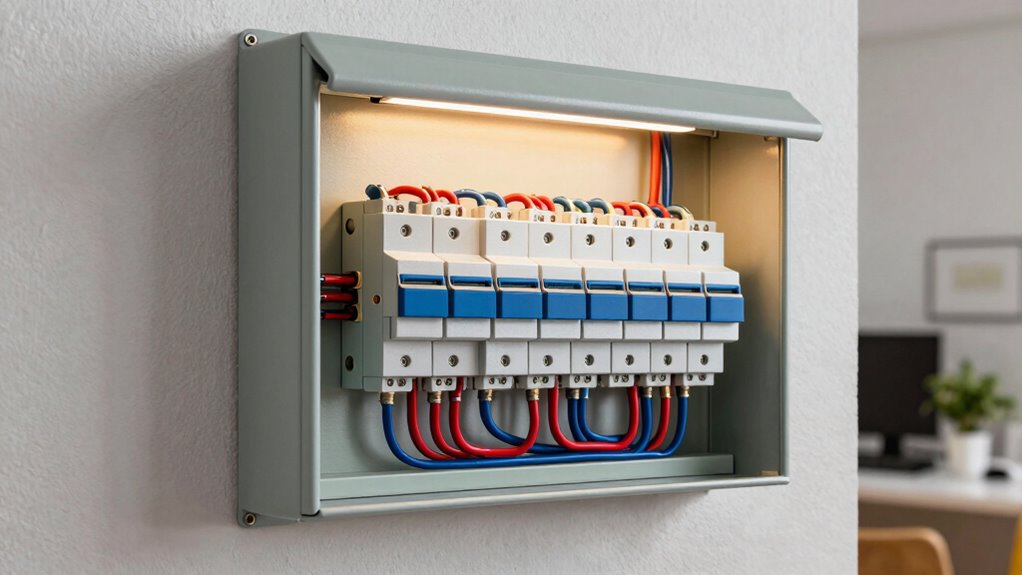
If you want to protect your entire home from damaging power surges, installing a whole-house surge protector is one of the most effective solutions. These devices are designed to shield your electrical system and connected appliances from sudden voltage spikes caused by lightning strikes, grid switching, or utility issues. However, before you install one, it’s important to take into account installation considerations. Proper placement is vital—typically, the surge protector is installed at the main electrical panel to intercept surges before they reach your home’s wiring. You’ll need to verify your electrical panel can accommodate the surge protector, which might require some modifications or upgrades. It’s also wise to consult a licensed electrician to handle the installation, as it involves working with high-voltage components and guaranteeing proper grounding. Additionally, the electrician can confirm if your home’s wiring and grounding systems are adequate for maximum surge protection. Adequate grounding is fundamental; without a good ground connection, the surge protector won’t function effectively, leaving your home vulnerable. Checking your grounding system periodically is part of good maintenance practices, especially after severe weather events or if you notice signs of electrical issues.
Once installed, a whole-house surge protector requires minimal maintenance, but some upkeep is necessary to verify it continues to operate correctly. Most units have indicator lights to show if they’re functioning properly, and you should regularly check these indicators. If the device has a replaceable module, it’s essential to replace it promptly after a surge event or when the indicator signals a fault. Some surge protectors also come with built-in alarms or remote monitoring options, which can alert you if the device needs attention. It’s recommended to have your electrician inspect the installation annually, especially if you live in an area prone to lightning or frequent power fluctuations. This helps confirm that the surge protector is still grounded correctly and functioning properly. Also, keeping the main panel clear of dust and debris ensures the device’s components stay in good condition. Understanding electrical grounding and its role in surge protection is crucial for maximizing safety and device performance.
While a whole-house surge protector offers substantial protection, it’s important to recognize what it doesn’t cover. It won’t shield against every type of electrical issue, such as internal surges originating from within appliances or faulty wiring. It also doesn’t protect individual electronics from surges that bypass the main panel, so additional point-of-use surge protectors are still advisable for sensitive devices like computers and entertainment systems. To sum up, a whole-house surge protector is a valuable investment, but proper installation considerations and ongoing maintenance are key to guaranteeing it provides reliable security for your home.
As an affiliate, we earn on qualifying purchases.
Frequently Asked Questions
How Long Do Whole-House Surge Protectors Typically Last?
A whole-house surge protector typically lasts about 5 to 10 years, depending on its surge protector lifespan and usage. You should follow the replacement schedule recommended by the manufacturer and have it inspected regularly. Over time, it can become less effective, especially after a big surge. Keep an eye on signs of wear or damage, and replace it promptly to guarantee continuous protection for your home’s electrical system.
Can They Protect Against Power Surges From the Utility Company?
Yes, whole-house surge protectors can guard against utility company surges caused by lightning strikes or power fluctuations. They work by diverting excess voltage away from your home’s wiring, reducing the risk of damage to your appliances and electronics. Keep in mind, though, that no protector is foolproof. Regular maintenance and potentially installing additional point-of-use protectors can offer extra defense against these unpredictable surges.
Are They Compatible With Smart Home Systems?
Yes, whole-house surge protectors are generally compatible with smart home systems. They can integrate seamlessly, allowing you to monitor surge activity and control the protector remotely through your smart home hub or app. Just make certain you choose a surge protector designed for smart home compatibility, as some models offer surge protector integration features that work with popular smart home platforms, making your setup more efficient and secure.
What Is the Installation Process Like for a Whole-House Surge Protector?
You start by turning off your main power supply, then locate your main electrical panel. Follow installation steps carefully, which include mounting the surge protector and connecting the wiring considerations properly, guaranteeing correct grounding. Double-check all connections, then restore power and test the system. If you’re unsure about wiring considerations or installation steps, it’s best to hire a licensed electrician to ensure safety and proper setup.
Do They Require Any Regular Maintenance or Testing?
You don’t need extensive maintenance for your whole-house surge protector, but it’s good to follow a maintenance checklist annually. Check for any indicator lights or error messages, and test the unit’s functionality according to the manufacturer’s instructions. Testing frequency varies, but performing a simple visual inspection once a year helps verify it’s working correctly. If you notice issues, replace or service the unit promptly to keep your home protected.
point of use surge protector for electronics
As an affiliate, we earn on qualifying purchases.
As an affiliate, we earn on qualifying purchases.
Conclusion
Remember, a whole-house surge protector is like a mighty shield guarding your home’s electronics from lightning’s furious wrath. While it’s excellent at blocking most surges, it’s not a magic wand for every power spike. Think of it as your home’s first line of defense—powerful but not invincible. Make sure you pair it with other protective measures, so your devices stay safe from the storm’s chaos, keeping your digital world running smoothly amidst nature’s fury.
electrical panel surge protector
As an affiliate, we earn on qualifying purchases.
As an affiliate, we earn on qualifying purchases.
As an affiliate, we earn on qualifying purchases.
Halloween Picks
halloween
As an affiliate, we earn on qualifying purchases.