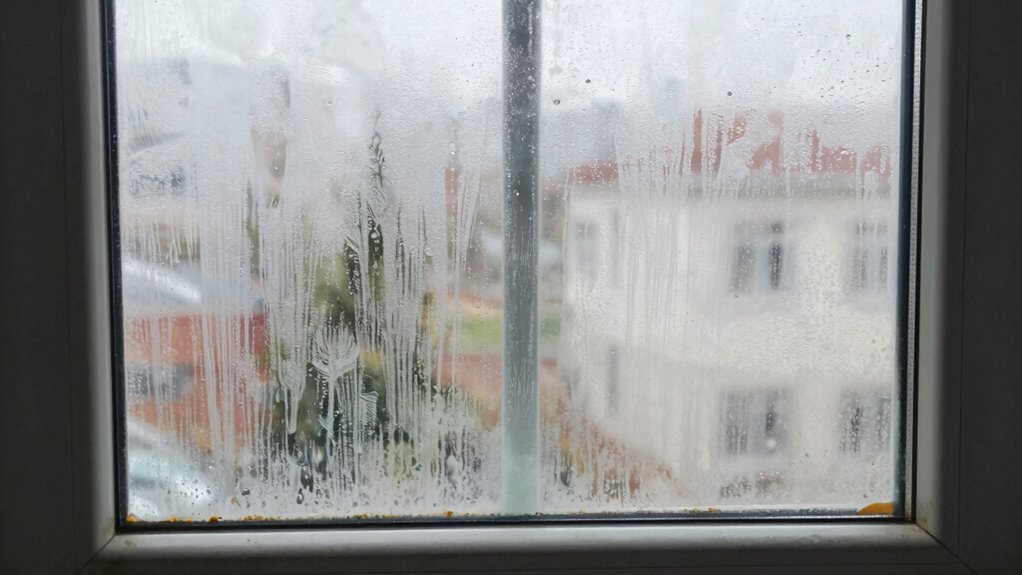

You can tell a window seal has failed if you notice condensation or fog trapped between the glass panes, which doesn’t wipe away. Look for a foggy or cloudy appearance that persists, indicating moisture intrusion. You might also feel drafts, notice temperature differences, or see physical damage around the frame. Regular inspections help catch the signs early. Keep exploring to learn more about how to spot and prevent window seal failures.

Get your next haul delivered free with Prime
- Fast, free delivery on millions of items
- Prime Video, Amazon Music and more included
- Member-only deals all year
Key Takeaways
- Look for persistent fog or condensation between window panes that can’t be wiped away.
- Feel for temperature differences or drafts around the window, indicating insulation loss.
- Inspect for physical damage like cracks, warping, or gaps around the frame.
- Notice increased noise transmission or reduced clarity due to moisture intrusion.
- Regularly check for mold growth, moisture entry, or visible damage indicating seal failure.
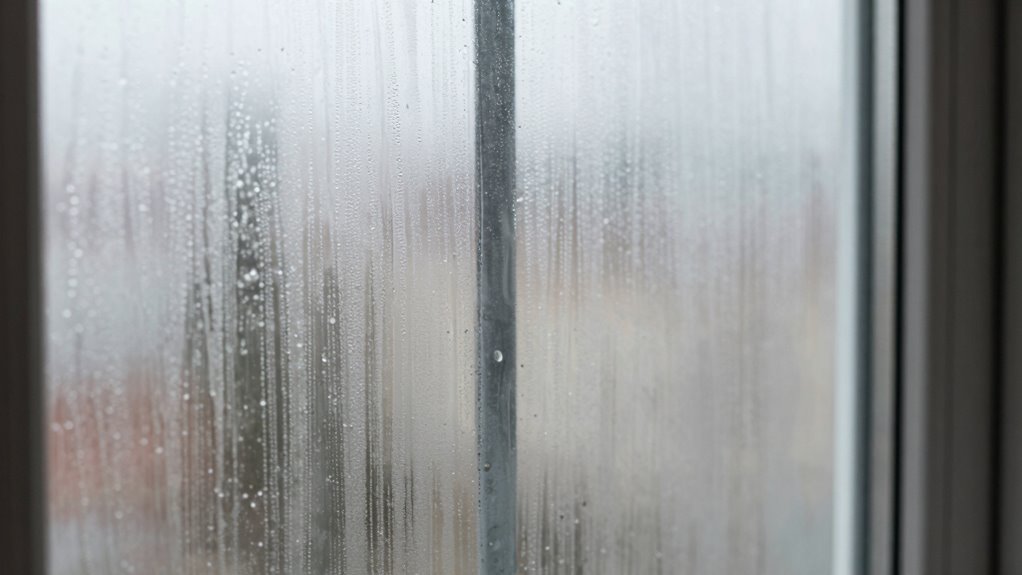
Ever wonder how to tell if your window seal has failed? One of the most noticeable signs is condensation buildup between your window panes. When the seal begins to fail, moisture from the outside or inside of your home can seep into the space between the glass layers. This moisture creates a foggy appearance that you can’t wipe away like typical condensation on the glass surface. Instead, it’s trapped behind the window, making it look hazy or cloudy, even on clear days. Over time, this foggy appearance becomes more prominent and persistent, indicating that the seal is no longer effective.
Foggy, cloudy windows indicate a failed seal trapping moisture between panes, reducing clarity and energy efficiency.
You might also notice that the foggy look appears on the interior or exterior of the window, or sometimes both. This is a clear sign that the seal has compromised its ability to keep moisture out. When the seal is intact, it prevents air and moisture from entering the space between the glass layers. But once it fails, the insulating properties diminish, and the trapped moisture becomes visible, reducing your window’s clarity and energy efficiency. If you observe this foggy appearance lasting for days or weeks, it’s time to think about replacing or repairing the window.
In addition to visual cues, you may experience other issues that point to a failed seal. For instance, your window might feel colder or warmer than the rest of your home during extreme weather. This change in temperature can be linked to the loss of insulation caused by a broken seal. You might also hear more noise coming through the window or notice drafts around the edges. These are signs that the seal’s integrity has been compromised and is no longer providing the insulation it once did. Recognizing seal failure early can help prevent further damage and reduce energy costs.
Sometimes, you’ll see physical damage to the window frame or the edges of the glass, which can indicate seal failure. Cracks, warping, or gaps around the window could allow moisture to enter and cause the foggy appearance. If you see any of these signs, it’s essential to address them promptly, as continued moisture intrusion can lead to further deterioration, mold growth, or even damage to the window frame. Regular inspections can help detect seal failure early and prevent costly repairs down the line. Additionally, understanding the signs of seal failure can guide you in taking timely action.
Being aware of the common causes of seal failure can also help in preventing future issues and maintaining your windows’ longevity. Ultimately, keeping an eye on condensation buildup and the foggy appearance is the best way to detect a failed window seal early. Regular inspections help you catch problems before they worsen. When you notice persistent fog or moisture between your panes, it’s a good indication that your window seal has failed and needs repair or replacement to restore your window’s insulation, clarity, and energy efficiency.
double pane window seal repair kit
As an affiliate, we earn on qualifying purchases.
As an affiliate, we earn on qualifying purchases.
Frequently Asked Questions
Can Window Seal Failure Cause Mold Growth?
Yes, window seal failure can cause mold growth. When seals fail, moisture gets trapped inside the window, creating a damp environment ideal for mold. To prevent this, focus on mold prevention by regularly checking seals and fixing leaks promptly. Improving ventilation helps reduce humidity levels, further discouraging mold growth. Addressing seal issues quickly guarantees your home stays dry and mold-free, maintaining a healthier, safer living space.
How Long Do Window Seals Typically Last?
Imagine a delicate barrier, silently guarding your home—window seals typically last between 10 to 20 years. Over time, exposure to weather and window maintenance can wear them down, causing compromised insulation. When seals weaken, you’ll notice fogging or drafts. To protect your investment, monitor their condition and plan seal replacement before energy efficiency drops. Regular inspections help guarantee your windows stay airtight and functional for years to come.
Is Window Seal Failure Covered by Home Insurance?
Window seal failure isn’t usually covered by home insurance, as insurance claims often exclude damage caused by wear and tear. Coverage limitations mean you likely won’t get reimbursement for resealing or replacing windows unless there’s accidental damage or a specific clause. To avoid surprises, review your policy details or contact your insurer directly. You might need to handle seal repairs out-of-pocket or explore specialized coverage options for window-related issues.
Can I Repair a Window Seal Myself?
Did you know that nearly 60% of homeowners try DIY repair before calling a professional? You can attempt a seal replacement yourself if you’re comfortable with basic tools and safety precautions. Carefully clean the area, then use a window sealant or replacement kit to fix the leak. However, for complex issues or double-pane windows, professional seal repair is often safer and more effective, ensuring long-term insulation and clarity.
Does Seal Failure Affect Energy Efficiency?
Yes, seal failure reduces your window’s thermal insulation, making it less effective at maintaining indoor temperatures. You’ll notice increased energy bills because your heating or cooling systems work harder. Additionally, seal failure often causes condensation issues between the panes, leading to foggy or streaked glass. Addressing seal failure promptly helps restore energy efficiency and prevents further damage, saving you money and improving your home’s comfort.
window insulation film for drafts
As an affiliate, we earn on qualifying purchases.
As an affiliate, we earn on qualifying purchases.
Conclusion
Knowing when a window seal has failed is like spotting a crack in a mirror—you notice the small details before it worsens. Keep an eye out for condensation between panes, drafts, or foggy glass, and act promptly to prevent further damage. Addressing these signs early is like catching a small leak before it floods your home. Stay vigilant, and your windows will keep your space comfortable and energy-efficient for years to come.
As an affiliate, we earn on qualifying purchases.
As an affiliate, we earn on qualifying purchases.
Halloween Picks
halloween
As an affiliate, we earn on qualifying purchases.