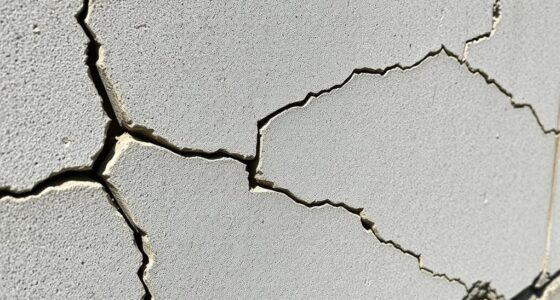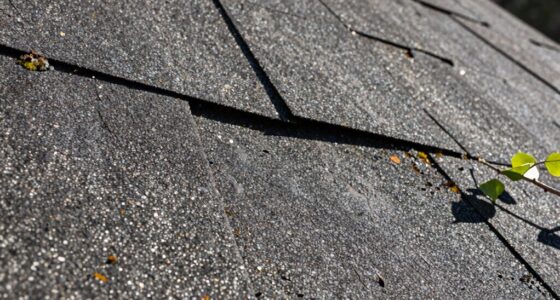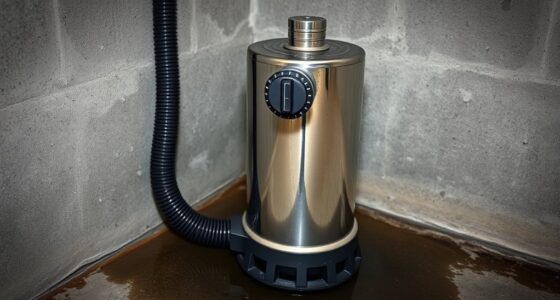
To prep your home for colder weather, start by cleaning gutters and inspecting the roof for damage. Check attic insulation, and verify your heating system is serviced and functioning properly. Seal gaps around windows and doors, and clear outdoor drains and downspouts. Drain hoses, shut off outdoor faucets, and cover exposed pipes. Taking these steps now helps prevent damage and boosts efficiency—stick around to find out more essential fall maintenance tips.

Get your next haul delivered free with Prime
- Fast, free delivery on millions of items
- Prime Video, Amazon Music and more included
- Member-only deals all year
Key Takeaways
- Clean gutters and install guards to prevent water damage and block debris buildup.
- Inspect and repair roof shingles to avoid leaks during winter storms.
- Check attic insulation and add more if necessary to improve energy efficiency.
- Seal windows and doors to reduce drafts and lower heating costs.
- Drain outdoor hoses, shut off faucets, and cover exposed pipes to prevent freezing.

As the leaves start to change and temperatures drop, fall is the perfect time to prepare your home for the colder months ahead. One of the most important steps in fall home maintenance is focusing on winter preparation. You want to guarantee your home stays warm, safe, and damage-free during winter’s harshest conditions. Start with a thorough gutter cleaning, which is essential for preventing water damage. Clogged gutters can cause water to overflow, leading to roof leaks, basement flooding, or damage to your siding and foundation. As leaves and debris accumulate, they block water from flowing freely, so taking the time to clear out your gutters now can save you expensive repairs later. Use a sturdy ladder and work carefully, removing everything from twigs to soggy leaves. Consider installing gutter guards afterward to reduce future buildup.
Start fall with gutter cleaning to prevent water damage and protect your home this winter.
Next, examine your roof for loose or damaged shingles, as winter storms can exacerbate existing issues. Repair or replace any compromised shingles to prevent leaks when snow and ice start to pile up. Check your attic insulation to ensure it’s sufficient—adding more insulation can improve energy efficiency and keep your home warmer. Proper insulation also prevents ice dams, which occur when heat escapes through the roof, melting snow that refreezes at the eaves, causing water backups and leaks. Additionally, understanding pool insulation techniques can help optimize energy efficiency and prevent moisture issues in your home.
Heating systems need your attention, too. Schedule a professional inspection of your furnace or heat pump to make sure it’s operating efficiently. Change filters regularly to improve air quality and system performance. Test smoke and carbon monoxide detectors to confirm they’re working properly, as the risk of home fires and poisoning increases when heating systems are in use.
Don’t forget to inspect windows and doors for drafts. Seal gaps with weatherstripping or caulk to keep the cold air out and the warm air in. This simple step can profoundly reduce energy bills and make your home more comfortable. Clear your outdoor drains and downspouts to ensure water can flow away from your foundation. Trim back any branches near your home that could break under the weight of snow or ice and cause damage.
Finally, prepare your outdoor plumbing and sprinkler systems by draining hoses and shutting off exterior faucets. Cover any exposed pipes to prevent freezing and bursting. By taking these proactive steps now, you’ll help your home withstand the winter months with fewer issues and greater comfort. Fall is the ideal season to get ahead of winter’s challenges, ensuring your home remains safe, warm, and well-maintained all season long.
As an affiliate, we earn on qualifying purchases.
Frequently Asked Questions
When Should I Schedule My Fall HVAC Inspection?
You should schedule your fall HVAC inspection now, ideally before the weather turns colder. An inspection schedule in early fall guarantees your HVAC system is working efficiently and helps catch any issues before they worsen. Regular inspections keep your system in top shape, prevent unexpected breakdowns, and improve energy efficiency. Don’t wait until it’s freezing—early fall is the perfect time to get your HVAC system checked and ready for the season.
How Do I Prevent Ice Dams on My Roof?
Did you know that ice dams cause over $1 billion in damages annually? To prevent them, make sure your roof insulation is adequate to keep heat from escaping your attic. Improve attic ventilation to reduce warm air buildup, which melts snow and refreezes at the eaves. Proper insulation and ventilation work together to maintain consistent roof temperatures, preventing ice dams from forming and protecting your home from costly damage.
What Are the Best Outdoor Lighting Options for Fall?
For fall outdoor lighting, you should consider solar lanterns and string lights. Solar lanterns are energy-efficient, easy to install, and add a cozy glow to your yard. String lights create a warm ambiance and are perfect for decorating patios or walkways. Both options are weather-resistant and require minimal maintenance, making them ideal for fall evenings. Choose warm-toned bulbs to enhance the autumn atmosphere and enjoy your outdoor space longer.
How Often Should I Clean My Gutters in Autumn?
You should clean your gutters at least once during autumn, especially after peak leaf fall. Regular gutter inspection helps you spot clogs caused by falling leaves and debris. If you notice heavy leaf accumulation or water overflowing, it’s time to clear them out. Doing this prevents water damage and ice dams later. Staying proactive guarantees your gutters function properly and protects your home’s foundation throughout the season.
Are There Eco-Friendly Ways to Winterize My Home?
Yes, you can winterize your home sustainably by using eco-friendly pest control methods that avoid harmful chemicals and choosing sustainable insulation materials like cellulose or sheep’s wool. Seal gaps and leaks with eco-friendly caulks to improve energy efficiency. You might also install weatherstripping and use renewable energy solutions where possible. These steps reduce environmental impact, keep your home warm, and promote a healthier planet during winter.
As an affiliate, we earn on qualifying purchases.
Conclusion
By tackling these fall maintenance tasks now, you’ll protect your home and enjoy a cozy, worry-free season. Remember, neglecting these steps could lead to costly repairs later on. Are you willing to risk unnecessary stress and expense when a little effort today can save you so much tomorrow? Stay proactive, stay prepared, and make this fall your best season yet with a well-maintained home you can truly be proud of.
As an affiliate, we earn on qualifying purchases.
weatherproof door and window seal kit
As an affiliate, we earn on qualifying purchases.
As an affiliate, we earn on qualifying purchases.
Fall Picks
fall essentials
As an affiliate, we earn on qualifying purchases.