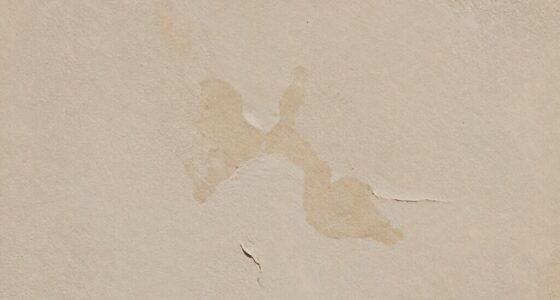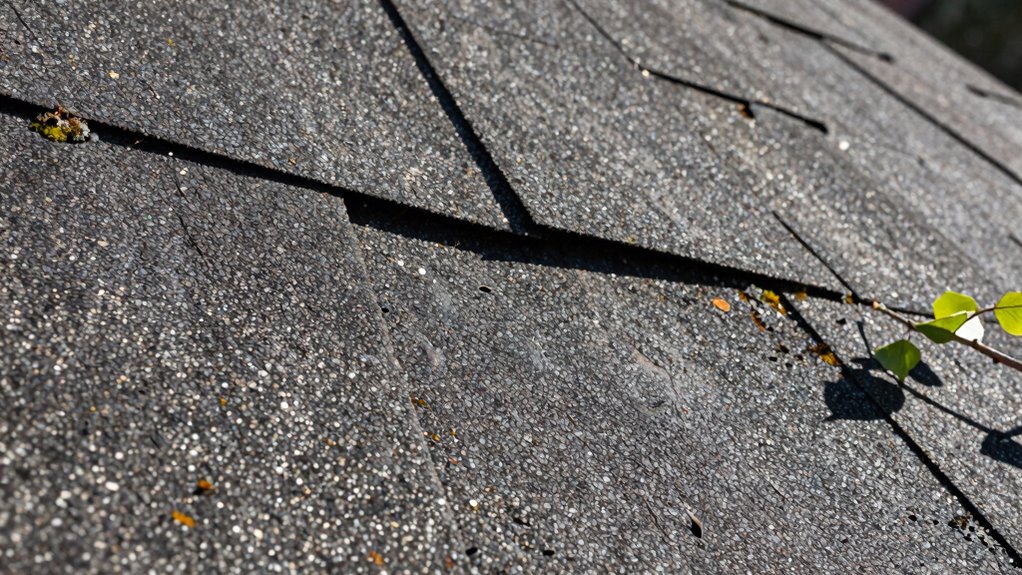

You should inspect your roof at least twice a year, typically in spring and fall, to catch minor issues early and prevent major repairs. After severe weather like storms or heavy winds, it’s smart to check for damage immediately. Factors like your roof’s age and local weather conditions can influence how often you check it. Staying vigilant and proactive helps extend your roof’s lifespan. Keep going to discover more about ideal inspection practices and signs of damage.

Get your next haul delivered free with Prime
- Fast, free delivery on millions of items
- Prime Video, Amazon Music and more included
- Member-only deals all year
Key Takeaways
- Inspect your roof at least twice a year, ideally during spring and fall, to catch minor issues early.
- Conduct additional inspections after severe weather events like storms or hail to identify hidden damage.
- Older roofs or those in harsh climates need more frequent inspections, possibly quarterly, to monitor deterioration.
- Look for signs like missing shingles, water stains, or granules in gutters that indicate immediate repairs are needed.
- Regular maintenance and vigilance help extend roof lifespan and prevent costly future repairs.
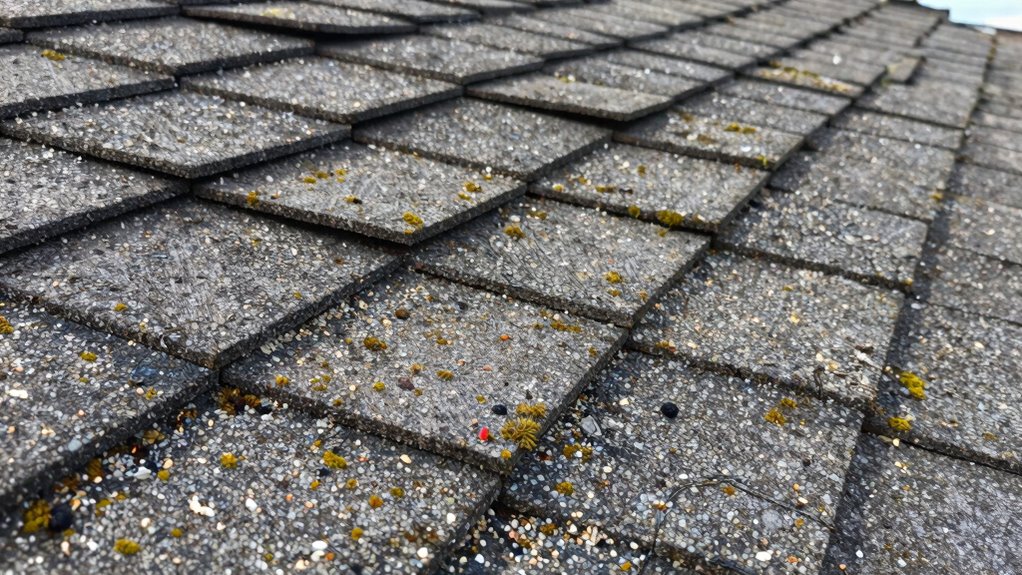
Regular roof inspections are essential for maintaining your home’s safety and preventing costly repairs, but knowing how often to check your roof can be confusing. The right inspection frequency depends on several factors, including your location, the age of your roof, and recent weather conditions. Generally, you should plan for at least two inspections a year—once in the spring and once in the fall. These routine checks help catch minor issues before they turn into major problems, ensuring your roof remains in good shape. Regular roof maintenance isn’t just about spotting visible damage; it also involves cleaning gutters, removing debris, and checking for signs of wear that might not be immediately obvious.
Regular biannual roof inspections help catch minor issues early and prevent costly repairs.
In addition to scheduled biannual inspections, you should conduct extra checks after severe weather events like storms, hail, or heavy winds. These conditions can cause damage that might not be visible from the ground but could compromise your roof’s integrity. If you notice missing shingles, cracked tiles, or damaged flashing during these inspections, it’s crucial to address them promptly. Ignoring such issues can lead to leaks, water damage, and structural deterioration over time. Your awareness of inspection frequency directly impacts your ability to catch problems early, saving you money and extending the lifespan of your roof.
The age of your roof also influences how often you should inspect it. For newer roofs, annual or biannual checks might suffice, while older roofs may require more frequent inspections—perhaps quarterly—to catch early signs of aging or deterioration. If you live in an area with harsh weather, such as heavy snowfall or intense storms, you might need to increase your inspection frequency to ensure your roof stays resilient. Regular roof maintenance becomes even more critical in these environments to prevent minor issues from escalating into costly repairs. Additionally, understanding roof deterioration patterns can help you identify specific signs of aging or damage more effectively. Staying informed about common issues can also guide your inspection process and prioritize areas that typically need attention sooner.
Ultimately, staying proactive with your roof inspections will give you peace of mind and protect your investment. While setting a regular schedule is key, always be attentive to any unusual signs, such as water stains, sagging areas, or shingle granules in gutters. These are clear indicators that your roof may need professional attention sooner than planned. Staying vigilant about weather-related damage can help you catch issues early before they worsen. Regular inspections, combined with preventative maintenance, can significantly extend the life of your roof and reduce unexpected expenses. Remember that early detection of damage is crucial for effective repairs and avoiding extensive damage later on. Staying vigilant helps you maintain a safe, secure home and prolongs the life of your roof for years to come.
As an affiliate, we earn on qualifying purchases.
Frequently Asked Questions
Can I Inspect My Roof Myself Safely?
Yes, you can inspect your roof yourself, but prioritize DIY safety. Use a sturdy ladder and wear non-slip shoes. Avoid inspecting on windy or rainy days, and never go onto a damaged or unstable roof. Keep your feet firmly planted, and don’t push beyond your comfort level. Regular roof maintenance helps spot issues early, but always weigh risks carefully to stay safe during your DIY inspection.
What Tools Are Necessary for a Roof Inspection?
Think of your roof as a silent guardian—what tools do you need to keep it in top shape? You’ll want a sturdy ladder, a flashlight, and binoculars for a closer look. An inspection checklist helps you spot issues in roofing materials like shingles or tiles. A screwdriver, gloves, and a camera are also handy for examining and documenting damage, ensuring your inspection is thorough and effective.
How Do I Identify Hidden Roof Damage?
To identify hidden roof damage, look for signs like shingle deterioration, which can cause leaks or curling shingles. Check for vent leaks around exhaust vents or chimneys, as these often lead to water intrusion. Use binoculars for a close look from the ground, and consider inspecting after storms or heavy winds. If you notice any irregularities or suspect damage, have a professional roofer assess the situation thoroughly.
Should I Hire a Professional Inspector Annually?
You should hire a professional inspector annually for roof maintenance because it helps catch hidden damage early. Some might think DIY inspections are enough, but experts spot issues you might overlook, saving you money in the long run. Regular inspections guarantee your roof stays in top shape, preventing costly repairs. Trust a professional to assess the true condition of your roof and maintain its longevity through proper inspection frequency.
What Signs Indicate Immediate Roof Repair Needs?
If you notice missing or curled shingles, water stains, or sagging areas, your roof needs urgent repair. Storm damage can cause immediate issues, like broken or cracked tiles, which compromise your roof’s integrity. Look for signs of mold growth or moss, indicating trapped moisture. These signs suggest you should schedule repairs promptly to prevent further damage, mold proliferation, or costly replacements. Always address these issues as soon as you spot them.
gutter cleaning and inspection tools
As an affiliate, we earn on qualifying purchases.
As an affiliate, we earn on qualifying purchases.
Conclusion
Think of your roof like a trusted friend—you wouldn’t wait for it to fall apart before checking in. Regular inspections, ideally twice a year and after storms, catch small issues before they become costly repairs. I once skipped a quick fall check, only to find a tiny leak that turned into major damage. Stay proactive, and your roof will keep you dry and safe, just like a good friend who’s always there when you need them.
As an affiliate, we earn on qualifying purchases.
As an affiliate, we earn on qualifying purchases.
Fall Picks
fall essentials
As an affiliate, we earn on qualifying purchases.