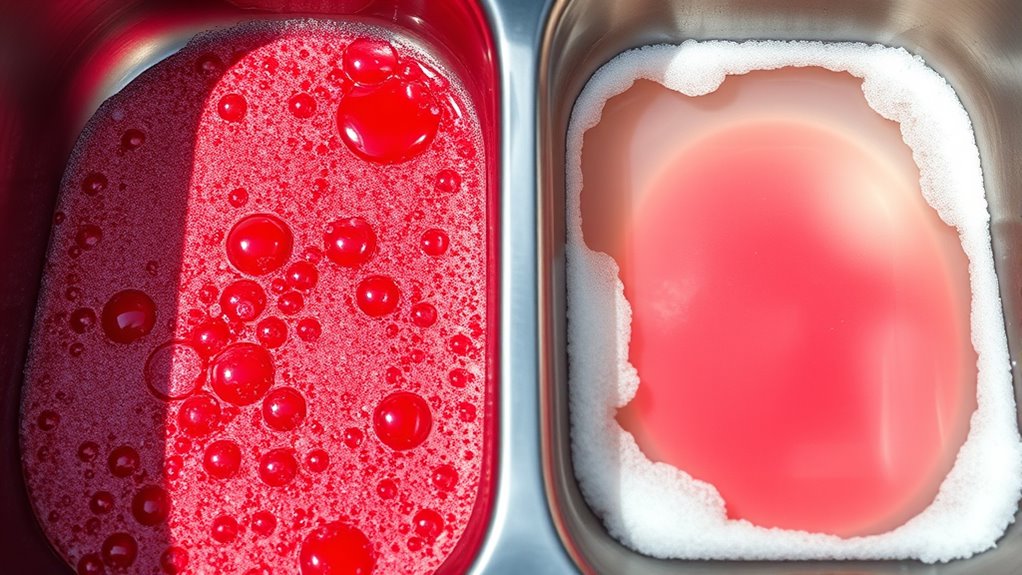

To clean smartly, match the pH to the dirt you’re targeting. Use acids like vinegar for mineral deposits, soap scum, and rust, but avoid delicate surfaces like natural stone. Alkaline cleaners, such as baking soda, work best on grease, oil, and organic stains. Always handle acids carefully and test on small areas first. Knowing when to use each type helps you clean more effectively and prevent damage—discover more tips to optimize your cleaning approach.

Get your next haul delivered free with Prime
- Fast, free delivery on millions of items
- Prime Video, Amazon Music and more included
- Member-only deals all year
Key Takeaways
- Use acidic cleaners for mineral deposits, soap scum, and rust removal, indicated by a pH below 7.
- Choose alkaline cleaners for grease, oils, and organic dirt, signified by a pH above 7.
- Always test cleaners on small areas and follow safety guidelines to avoid surface damage or hazardous reactions.
- Avoid mixing acids and alkalines to prevent dangerous chemical reactions and ensure safety.
- Selecting the correct pH cleaner enhances cleaning efficiency, prolongs surface life, and prevents unnecessary damage.
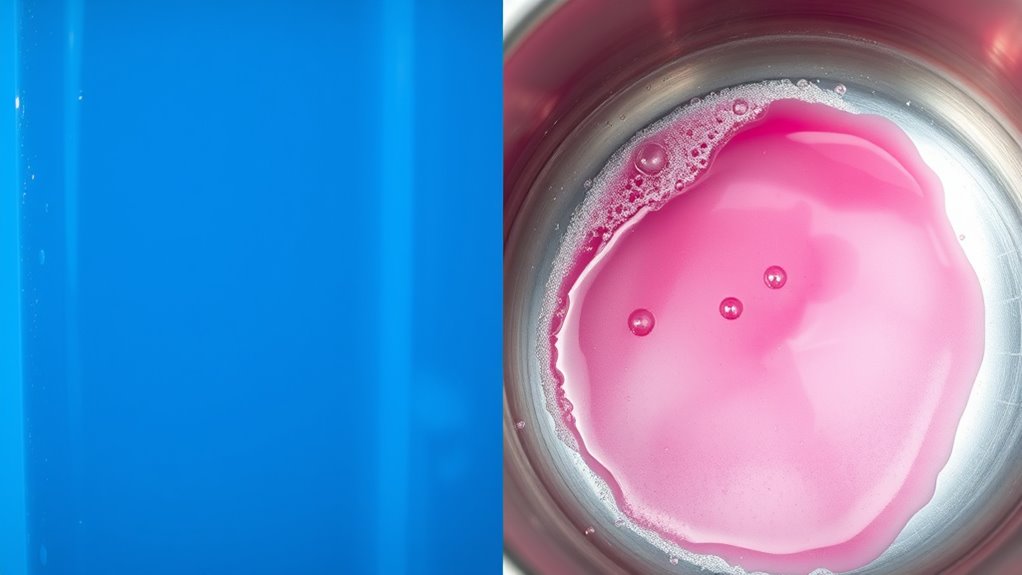
Have you ever wondered how the acidity or alkalinity of a substance affects cleaning? The pH level of a cleaner determines its effectiveness and the type of dirt or stain it can tackle. Understanding whether to use an acid or an alkaline cleaner can make your cleaning efforts more efficient and safer. Acidic cleaners, with a pH below 7, are excellent at dissolving mineral deposits, soap scum, and rust. They work by breaking down alkaline residues and mineral buildup, making them ideal for bathroom fixtures, tiles, and toilet bowls. For example, vinegar, a common household acid with a pH around 2.5, can effectively remove hard water stains and mineral deposits without harsh chemicals. When you’re dealing with soap scum or lime buildup, using an acid-based cleaner can save you time and effort. Just remember to use acids carefully, as they can damage certain surfaces like natural stone or marble.
On the other hand, alkaline cleaners have a pH above 7 and are best suited for cutting through grease, oil, and organic dirt. They work by saponifying fats and breaking down proteins, making them perfect for kitchen counters, stovetops, and greasy appliances. Baking soda, with a pH around 9, is a gentle alkaline cleaner that can deodorize and scrub surfaces effectively. When tackling greasy stains or baked-on food, alkaline cleaners make the job easier by loosening stubborn grime. They’re also less corrosive than acids, so they’re generally safer to use on a wider range of surfaces. Additionally, some advanced filtration technologies in air purifiers can help remove airborne particles that may worsen respiratory issues caused by poor indoor air quality. However, it’s still important to follow safety guidelines and avoid mixing acids and alkalines directly, as this can cause dangerous chemical reactions.
Knowing when to choose an acid or an alkaline cleaner allows you to target specific types of dirt while protecting your surfaces. If you’re cleaning mineral deposits or soap scum, opt for an acid-based product. For greasy or organic stains, go with an alkaline cleaner. Always read labels carefully and test on small areas first to prevent damage. Using the right pH cleaner not only makes your cleaning more effective but also prolongs the life of your fixtures and surfaces. By understanding the role of pH in cleaning, you can select the smartest, safest products for each task, saving time, effort, and potential damage.
As an affiliate, we earn on qualifying purchases.
Frequently Asked Questions
How Do I Test the Ph Level of My Cleaning Solution Accurately?
To accurately test the pH level of your cleaning solution, you should use pH test strips or a digital pH meter. Dip the strip into your solution or insert the probe into the liquid, then compare the color change to the provided chart or read the digital display. Make sure to calibrate your device regularly and use clean, fresh samples for the most precise results.
Can Mixing Acid and Alkaline Cleaners Cause Dangerous Reactions?
Yes, mixing acid and alkaline cleaners can cause dangerous reactions. When you combine them, they react chemically, releasing heat and potentially toxic gases like chlorine or chloramine vapors. These reactions can lead to burns, respiratory issues, or even explosions in severe cases. Always keep acids and alkalines separate, and never mix cleaning solutions unless the manufacturer explicitly states it’s safe. Safety should always come first in cleaning.
Are There Eco-Friendly Options for Ph-Based Cleaning Agents?
Yes, there are eco-friendly pH-based cleaning options you can choose from. Look for plant-based or biodegradable cleaners labeled as eco-friendly, which often use natural acids like citric or vinegar and mild alkaline substances such as baking soda. These options are effective, safe for the environment, and gentle on surfaces. Always check labels to ensure they meet eco-friendly standards, and follow usage instructions for best results.
How Long Should I Leave an Acid or Alkaline Cleaner on a Surface?
Think of cleaning as a dance, where timing is everything. You should leave an acid or alkaline cleaner on a surface for the recommended time—usually 1 to 5 minutes—so it can do its job without causing damage. Always read the label instructions carefully. Rushing can be harmful, and leaving it too long might damage your surface. Keep an eye on it, and rinse thoroughly when done.
What Are the Signs of Overusing Acidic or Alkaline Cleaners?
If you overuse acidic or alkaline cleaners, you’ll notice surface damage like etching, discoloration, or corrosion. You might also see lingering chemical smells or increased surface roughness. Skin irritation or respiratory issues can occur if you don’t rinse thoroughly or use proper protective gear. To avoid this, follow label instructions carefully, don’t leave cleaners on surfaces too long, and rinse thoroughly after cleaning.
As an affiliate, we earn on qualifying purchases.
Conclusion
Remember, choosing the right cleaner depends on the pH level—acidic for mineral deposits, alkaline for grease. It’s funny how a simple shift in pH can make your cleaning more effective and less harsh on surfaces. By understanding and using acid and alkaline cleaners wisely, you’ll find your chores easier and more efficient. Sometimes, it’s the small details—like knowing the pH—that make all the difference, turning cleaning from a hassle into a success.
As an affiliate, we earn on qualifying purchases.
As an affiliate, we earn on qualifying purchases.
Halloween Picks
halloween
As an affiliate, we earn on qualifying purchases.