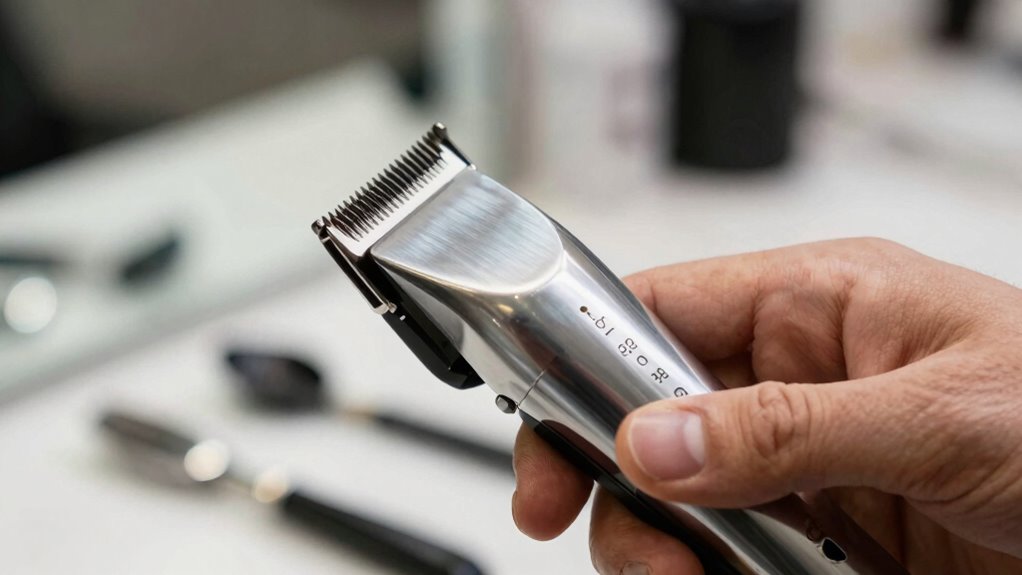

Understanding clipper blade numbers helps you choose the right blade quickly and get professional-looking results. These numbers indicate how much hair remains after trimming, with higher numbers leaving more hair and lower numbers cutting closer to the skin. Knowing what each number means removes guesswork and makes grooming more confident. If you keep exploring, you’ll discover how the right blade and proper maintenance can make your grooming easier and results more polished.
Key Takeaways
- Clipper blade numbers indicate the hair length left after trimming, with higher numbers leaving less hair.
- Understanding blade numbers helps you select the correct blade for desired hair length and grooming style.
- Proper maintenance of blades ensures they stay sharp, effective, and prevent skin irritation during grooming.
- Knowing the numbering system avoids guesswork, enabling precise and professional grooming results.
- Considering fur type and grooming purpose guides the choice of blade number for optimal results.
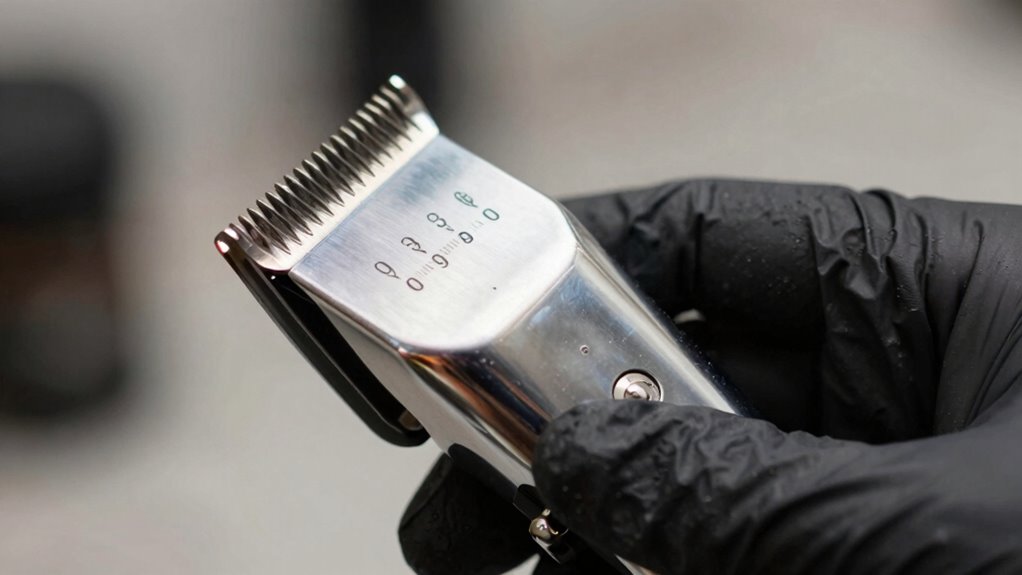
Understanding clipper blade numbers can seem confusing at first, but knowing how they work helps you choose the right blade for your grooming needs. When you’re grooming pets or cutting hair, selecting the appropriate blade is vital for achieving the desired look and ensuring a smooth process. The numbers on clipper blades indicate the length of hair left after trimming, which might seem straightforward, but it’s essential to understand the system behind these numbers to make informed choices. This knowledge helps you avoid mistakes, saves time, and keeps your equipment in top condition through proper clipper blade maintenance.
Clipper blade numbers are typically based on a standardized system that measures the distance between the blade’s cutting edge and the skin. For example, a #10 blade leaves hair about 1/16 inch long, while a #40 blade trims down to approximately 1/100 inch. The higher the number, the closer the cut, which means less hair remains after trimming. Knowing this allows you to select the right blade depending on whether you want a close shave or a more natural, longer cut. When choosing the right blade, consider the desired length, the hair type, and the grooming context. For pets with thick or coarse fur, starting with a higher number and gradually moving down can help you achieve a clean cut without irritating the skin.
Proper clipper blade maintenance is fundamental to ensuring your blades stay sharp and effective over time. Regular cleaning, oiling, and checking for wear extend the life of each blade and maintain a consistent cut. Dull blades can cause uneven trimming, discomfort, and even skin irritation, so it’s worth investing time in proper maintenance routines. When you know how to care for your blades and select the appropriate size, you improve your grooming efficiency, reduce the need for frequent replacements, and deliver better results every time.
Understanding the importance of contrast ratio is also crucial for home cinema projectors, as it affects how well details are rendered in dark scenes and overall image depth. Choosing the right blade isn’t just about the length; it’s also about understanding your tools and the task at hand. Whether you’re trimming a pet’s coat or giving a haircut, knowing what each blade number signifies helps you avoid guesswork. It allows you to switch blades confidently, adapt to different grooming styles, and achieve professional-looking results. Once you understand the system behind clipper blade numbers, you’ll find grooming becomes more precise, less stressful, and more enjoyable. Keep your blades well-maintained, familiarize yourself with the numbering system, and you’ll always be prepared to get the perfect cut every time.
Frequently Asked Questions
Are Clipper Blade Numbers Standardized Across Brands?
You might think clipper blade numbers are standardized across brands, but they often aren’t. Blade compatibility depends on the specific clipper model, and blade numbering standards can vary between manufacturers. Always check your clipper’s brand and model to guarantee you select the right blade size. Even if the numbers seem similar, incompatible blades can cause issues, so verify the compatibility to get the best haircut results.
How Do I Safely Change Clipper Blades?
To safely change clipper blades, first turn off and unplug your clipper. Remove the blade carefully, following your manufacturer’s instructions. Clean the blades with a brush and consider blade sharpening if needed. Lubricate the new blade with clipper lubrication to guarantee smooth operation. Always handle blades with care, avoid forcing parts, and double-check that everything is securely in place before turning the clipper back on.
What Blade Number Is Best for Thinning Hair?
For thinning hair, a higher clipper blade number, like a #4 or #5, works best because it leaves more length while reducing bulk. Use hair thinning techniques with these blades for a natural look. Always prioritize clipper blade safety by ensuring the blade is properly attached and sanitized. This helps prevent skin irritation and gives you a precise, even cut, making your haircut look professional and polished.
Can I Use Different Brand Blades Interchangeably?
You can use different brand blades interchangeably, but it’s like mixing different spices—you might not get the perfect flavor. Blade compatibility varies, so brand differences matter. Always check if the blades fit your clipper model and guarantee they’re compatible to avoid damaging your equipment. When in doubt, stick to the same brand for a smoother shave and to keep your tools working in harmony.
How Often Should Clipper Blades Be Cleaned and Maintained?
You should clean your clipper blades after every use to maintain hygiene and performance. Regular cleaning prevents buildup, reducing the need for frequent blade sharpening. Deep cleaning and lubrication should be done weekly, especially if you use your clippers daily. Proper cleaning frequency guarantees smooth operation and prolongs blade life. Remember, well-maintained blades cut better and last longer, so don’t skip routine cleaning and maintenance.
Conclusion
Understanding clipper blade numbers helps you choose the right cut every time, saving you from guesswork and uneven results. Did you know that there are over 100 different blade sizes and styles? That’s why knowing what each number means is essential for precision and confidence. Now that you’re aware of the system, you can confidently ask your barber for the exact style you want, ensuring a professional look without any surprises.