
To tell if your skin is dehydrated and not dry, notice if it feels tight, rough, or flaky without showing signs of oiliness. Dehydrated skin often looks dull, lacks plumpness, and may have more prominent fine lines. Gently pinch your cheek or under your eye—if it snaps back quickly, you’re well-hydrated; if it stays pinched or takes time, dehydration may be the cause. Want to learn more easy ways to tell? Keep going.

Get your next haul delivered free with Prime
- Fast, free delivery on millions of items
- Prime Video, Amazon Music and more included
- Member-only deals all year
Key Takeaways
- Dehydrated skin feels tight, rough, and flaky, especially after cleansing, unlike dry skin which mainly lacks oil.
- Skin that snaps back quickly when pinched indicates proper hydration; slow response suggests dehydration.
- Dehydration causes dullness and uneven texture, while dry skin appears flaky and may be visibly patchy.
- Dehydration can affect any skin type, regardless of oiliness or sensitivity, often fluctuating throughout the day.
- Moisturizers alone may not resolve dehydration; look for water-binding ingredients like hyaluronic acid for effective hydration.
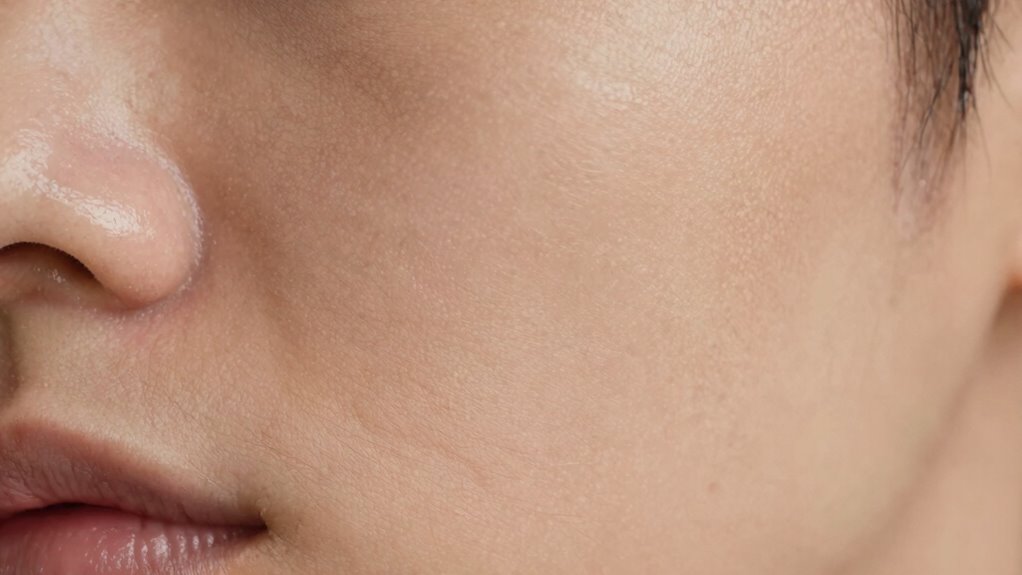
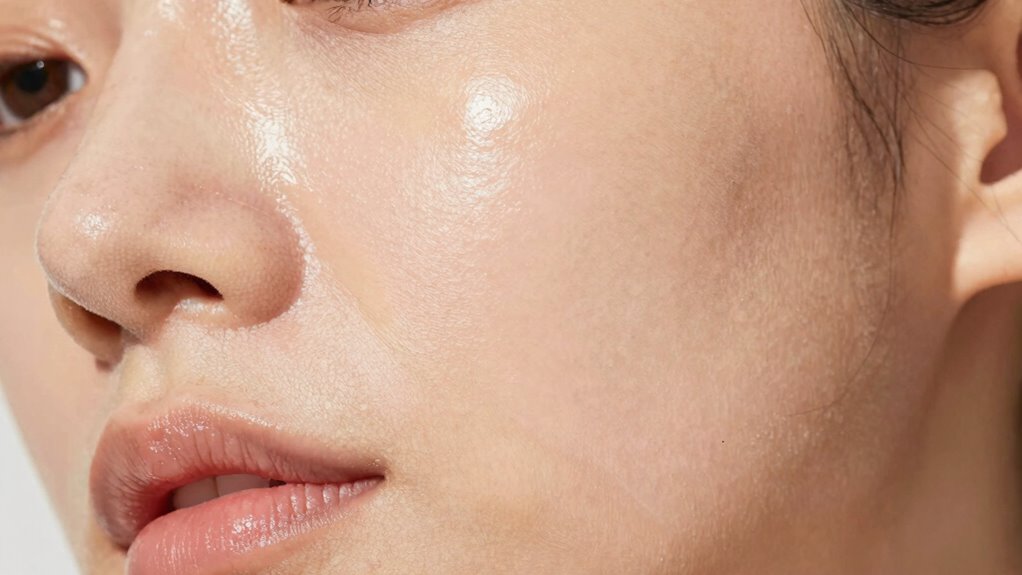
Many people mistake dehydrated skin for dry skin, but understanding the difference is key to proper care. Dehydration occurs when your skin lacks water, while dryness is about a lack of oil or sebum. Recognizing this distinction helps you choose the right products and routines to restore your skin’s health effectively. One of the clearest signs you’re dealing with dehydration is a change in your skin texture. When your skin is dehydrated, it often feels tight, rough, or even flaky, especially in certain areas like the cheeks or around the nose. It may look dull or lack the plumpness that healthy, well-hydrated skin exhibits. Unlike dry skin, which can feel consistently rough or scaly, dehydrated skin tends to fluctuate, feeling more uncomfortable after cleansing or exposure to environmental stressors.
Your hydration levels directly influence how your skin feels and looks. When dehydrated, your skin’s barrier becomes compromised, making it harder for it to retain water. This results in a surface that appears less smooth and more uneven in texture. You might notice fine lines appearing more prominent, or your skin feeling rough even after applying moisturizer. These are telltale signs that your skin needs more water, not necessarily more oil. To gauge your hydration levels, pay attention to how your skin responds throughout the day. If it feels tight or looks dull, that’s a sign you need to boost hydration. Conversely, if your skin is oily but still feels tight or flaky, dehydration is likely the culprit rather than dryness or excess oil.
You can test for dehydration by gently pinching your skin on the cheek or under the eye. If it quickly snaps back, your hydration levels are probably okay. If it stays pinched or takes a moment to settle, it indicates dehydration. This simple test helps you determine whether to focus on hydrating ingredients like hyaluronic acid, glycerin, or drinking more water. It’s also important to note that dehydration can occur regardless of your skin type—oily, dry, or sensitive. The skin’s water content can fluctuate based on multiple factors, making hydration a crucial aspect of skincare for everyone. The key is to address it with products that replenish your skin’s water content, rather than heavy oils or occlusive creams meant for dry skin. Additionally, maintaining good indoor air quality can help prevent dehydration caused by environmental stressors that strip moisture from your skin. Being aware of environmental factors that contribute to dehydration can further optimize your skincare routine. Remember, proper hydration is essential for overall skin health and resilience against external stressors.
hyaluronic acid moisturizer for dehydrated skin
As an affiliate, we earn on qualifying purchases.
As an affiliate, we earn on qualifying purchases.
Frequently Asked Questions
Can Dehydrated Skin Cause Breakouts or Acne?
Yes, dehydrated skin can cause breakouts or acne. When your skin lacks water, it produces more oil to compensate, leading to oil buildup and pore congestion. This excess oil can clog pores, creating the perfect environment for acne-causing bacteria. You might notice your skin feeling oily or greasy, despite being dehydrated. To prevent breakouts, stay well-hydrated and use products that balance oil production without further drying out your skin.
How Does Climate Affect Skin Hydration Levels?
Climate effects notably influence your skin’s hydration levels. In humid environments, the humidity influence helps your skin retain moisture, preventing dehydration and keeping it plump. Conversely, dry or cold climates strip moisture away, making your skin feel tight, flaky, and dehydrated. Exposure to sun, wind, or heated indoor air worsens dehydration. To protect your skin, adapt your skincare routine according to climate conditions, using hydrating products and avoiding harsh elements.
Are There Specific Ingredients That Indicate Dehydration?
Think of your skin as a thirsty landscape; ingredients like hyaluronic acid and glycerin act as rain, replenishing moisture. Look for hydrating ingredients that boost your skin barrier’s resilience, such as aloe vera or ceramides. These components draw water into your skin and strengthen its defenses, preventing dehydration. If your skincare products contain these, you’re giving your skin the nourishing rain it needs to stay plump, healthy, and well-hydrated.
Can Diet Influence Skin Hydration Status?
Yes, your diet impact greatly influences your skin’s hydration status. Eating water-rich foods like fruits and vegetables boosts hydration, while limiting caffeine and alcohol helps maintain hydration habits. Prioritize foods high in omega-3s and antioxidants to support skin health. Staying consistently hydrated through drinks complements your diet impact, ensuring your skin remains plump and healthy. Remember, balanced hydration habits combined with a healthy diet make a noticeable difference.
How Long Does It Take to Improve Dehydrated Skin?
It typically takes about a week to see improvements in dehydrated skin with consistent skincare routines and hydration boosters. You should focus on drinking plenty of water, using hydrating serums, and avoiding harsh products. Incorporate gentle cleansers and moisturizers that boost hydration. Stick to this routine daily, and you’ll notice your skin feeling plumper, smoother, and more refreshed within a few days to a week.
As an affiliate, we earn on qualifying purchases.
Conclusion
So, next time your skin feels tight or looks dull, pause and ask yourself: is it truly dry or just dehydrated? Because recognizing the difference could be the key to revealing that radiant glow you’ve been craving. Imagine gently hydrating your skin, watching it come alive, revealing a luminous, plump surface that feels as good as it looks. The secret’s in your hands—are you ready to uncover it and transform your skin?
As an affiliate, we earn on qualifying purchases.
As an affiliate, we earn on qualifying purchases.
Halloween Picks
halloween
As an affiliate, we earn on qualifying purchases.