
Exterior caulk fails mainly because of constant weather exposure, UV rays, and poor application, causing cracking, shrinking, or brittleness. When caulk deteriorates, water can seep behind siding or trim, leading to damage, mold growth, and even wood rot. Ignoring these signs can cost you more in repairs later. Staying aware of these issues helps protect your home’s structure and indoor air quality. Keep going to discover how to prevent this from happening to you.

Get your next haul delivered free with Prime
- Fast, free delivery on millions of items
- Prime Video, Amazon Music and more included
- Member-only deals all year
Key Takeaways
- Exposure to weather, UV rays, and temperature changes cause caulk to crack, shrink, or become brittle over time.
- Poor application techniques and low-quality materials reduce caulk’s durability and lifespan.
- Deteriorated caulk allows water infiltration, leading to structural damage and mold growth inside the home.
- Ignoring caulk failure accelerates moisture damage, wood rot, and costly repairs.
- Regular maintenance and timely resealing prevent long-term damage and preserve home integrity.
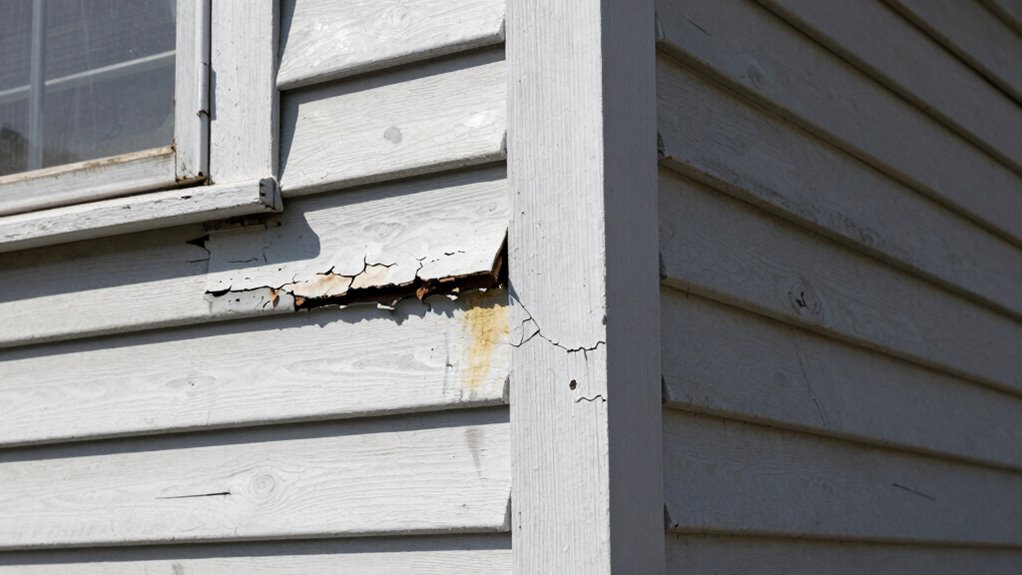
Exterior caulk is an essential barrier that keeps your home protected from water infiltration and weather damage. When it starts to fail, you’ll notice signs like paint peeling or bubbling, which indicate that moisture has seeped behind surfaces. Over time, this moisture can lead to more serious issues, such as mold growth, which spreads quickly in damp environments. If you neglect these signs, your home’s structural integrity and indoor air quality may suffer, making repairs more costly in the long run.
Caulk can fail for several reasons. Exposure to extreme weather conditions, such as intense sunlight, heavy rain, and freezing temperatures, causes it to deteriorate. UV rays break down the caulk’s materials, making it brittle and prone to cracking or shrinking. When the caulk cracks or pulls away from the surface, gaps form, allowing water to penetrate. This continuous cycle of expansion and contraction accelerates the deterioration, leaving your home vulnerable to water damage and mold development. Proper caulk application is essential for ensuring lasting protection, as poor application techniques can significantly reduce its lifespan.
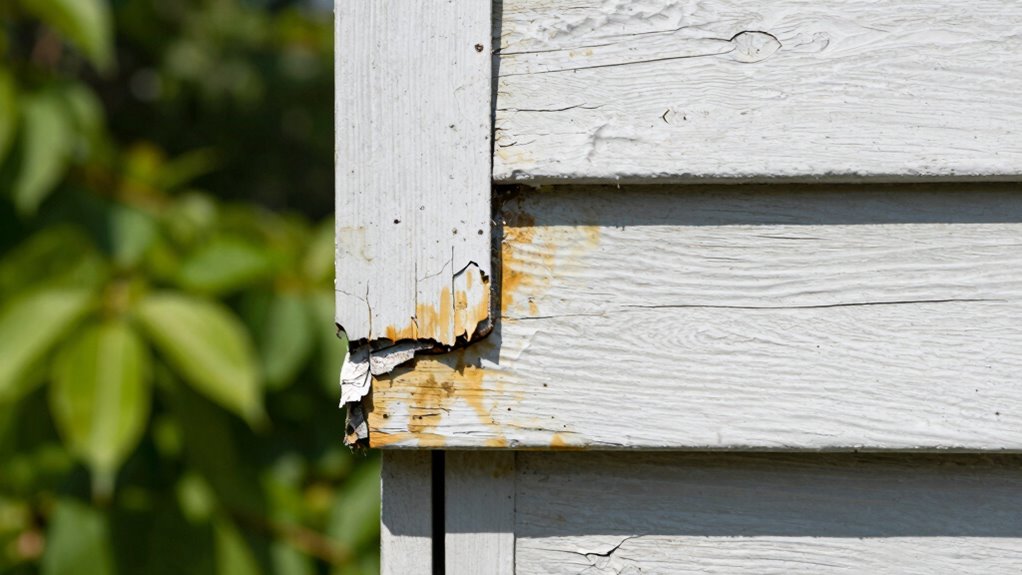
Once the caulk fails, water gets behind the siding or trim, leading to paint peeling or bubbling. These visible signs are just the surface of the problem. Behind the scenes, persistent moisture creates an ideal environment for mold growth. Mold can develop rapidly on damp surfaces, spreading across walls, windowsills, and other areas where moisture lingers. Additionally, mold growth not only compromises the appearance of your home but also poses health risks, especially for allergy sufferers or those with respiratory issues. If you see mold or a musty smell, it’s a clear indicator that your caulk needs attention. Furthermore, moisture intrusion can cause wood rot and structural damage if left unaddressed. Moisture management plays a vital role in preventing these problems, emphasizing the importance of proper sealing and maintenance.
Proper maintenance and timely repairs are crucial because moisture intrusion can cause long-term structural damage that is costly to fix. Ignoring exterior caulk failure can escalate the damage. Water infiltration can rot wood, warp siding, and weaken the foundation over time. Additionally, mold can spread throughout your home’s structure, creating costly remediation projects. Repairing or replacing damaged caulk promptly helps prevent these problems. Regular inspections, especially after harsh weather, can catch early signs of failure. Using high-quality, weather-resistant caulk during repairs ensures better longevity and protection. Ultimately, maintaining your exterior caulk is a simple yet essential step to safeguard your home from water damage, mold growth, and the costly repairs that follow.
As an affiliate, we earn on qualifying purchases.
Frequently Asked Questions
How Often Should Exterior Caulk Be Reapplied?
You should reapply exterior caulk every 5 to 10 years, depending on your sealant maintenance and weather impact. Harsh weather, sun, and temperature fluctuations can cause caulk to crack or peel faster. Regularly inspect your home’s exterior, especially around windows and doors, and reapply caulk as needed to maintain proper sealing. Staying proactive helps prevent water intrusion and keeps your home energy-efficient.
Can I Fix Cracked Caulk Myself?
You can definitely fix cracked caulk yourself with proper caulk maintenance and DIY repairs. Start by removing the old, damaged caulk with a utility knife or caulk remover tool, then clean the area thoroughly. Once it’s dry, apply a fresh bead of exterior-grade caulk, smoothing it out for a neat finish. Regular upkeep guarantees your home stays protected from water infiltration, making DIY repairs a cost-effective and satisfying solution.
Which Type of Caulk Lasts the Longest Outdoors?
Polyurethane caulk offers the best durability for outdoor weather conditions, making it the longest-lasting choice for exterior projects. It resists extreme temperatures, moisture, and UV rays better than silicone or latex options. If you want your caulk to withstand harsh outdoor weather and last several years without cracking or peeling, polyurethane is your best bet. Proper surface prep and application will further enhance its longevity and performance.
Does Weather Affect the Longevity of Exterior Caulk?
Weather definitely affects the longevity of exterior caulk. Think of it like a road trip through changing terrains—you encounter temperature fluctuations and UV exposure that wear down your vehicle’s paint. Similarly, extreme temperatures cause caulk to expand and contract, weakening its seal, while UV rays break down its chemical bonds. Over time, these factors lead to cracking and failure, reducing your home’s protection against water and air leaks.
How Do I Choose the Right Caulk for My Home?
To choose the right caulk, consider your home’s needs and the area you’ll seal. Look for color options that match or complement your exterior for a seamless look. Pay attention to application techniques; clean surfaces thoroughly and apply evenly to guarantee a good seal. For outdoor use, opt for weather-resistant, high-quality caulk that withstands temperature changes and moisture, keeping your home protected longer.
As an affiliate, we earn on qualifying purchases.
Conclusion
So, when exterior caulk fails, it leaves your home vulnerable to water damage, drafts, and mold. Ignoring these signs can lead to costly repairs down the line. Regular inspections and timely resealing keep your home protected and energy-efficient. Isn’t it worth taking a few minutes now to prevent bigger problems later? Don’t wait until minor cracks turn into major expenses—take action today to safeguard your home’s integrity.
caulk removal and application tools
As an affiliate, we earn on qualifying purchases.
As an affiliate, we earn on qualifying purchases.
As an affiliate, we earn on qualifying purchases.
Fall Picks
fall essentials
As an affiliate, we earn on qualifying purchases.