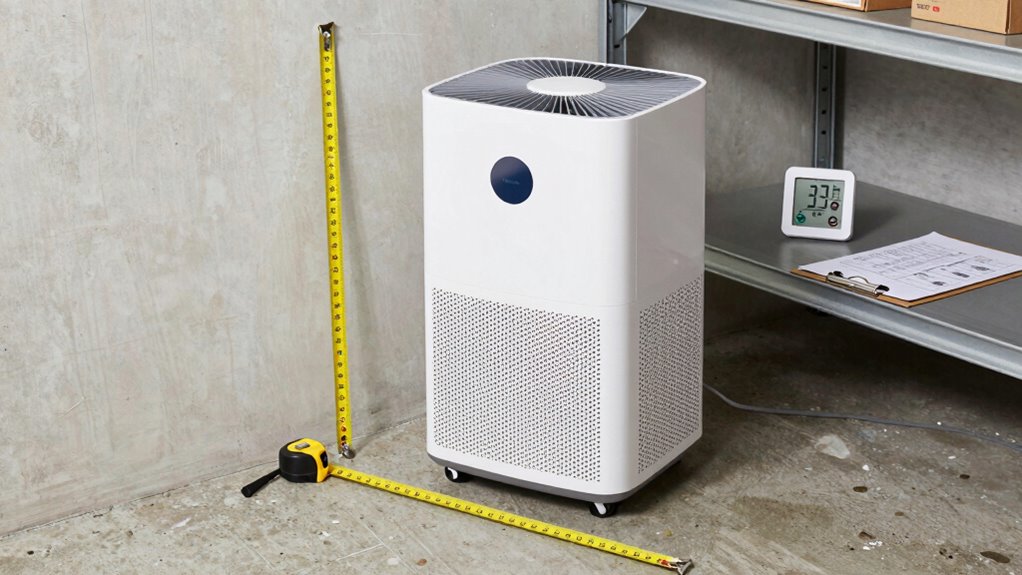

To size your dehumidifier without overdoing it, start by measuring your space’s square footage and check the existing humidity levels. Choose a unit with a capacity that matches your room’s size and moisture needs—too big and it’ll waste energy and make noise; too small, and it won’t keep humidity in check. Opt for models with adjustable settings and efficient features to fine-tune performance. For more tips, keep exploring how proper sizing boosts efficiency and comfort.

Get your next haul delivered free — and shop member deals
- Fast, free delivery on millions of items
- Access to Prime Big Deal Days deals on October 6–7
- Prime Video, Amazon Music and more included
Key Takeaways
- Measure the room’s square footage and assess humidity levels to determine the necessary moisture removal capacity.
- Match the dehumidifier’s capacity to the space size and humidity needs, avoiding units that are too powerful or weak.
- Consider energy efficiency features like ENERGY STAR ratings and adjustable settings for optimal operation.
- Place the unit in a central, unobstructed location to maximize efficiency and minimize noise.
- Regularly monitor humidity levels and adjust the dehumidifier’s settings to maintain ideal conditions without overuse.
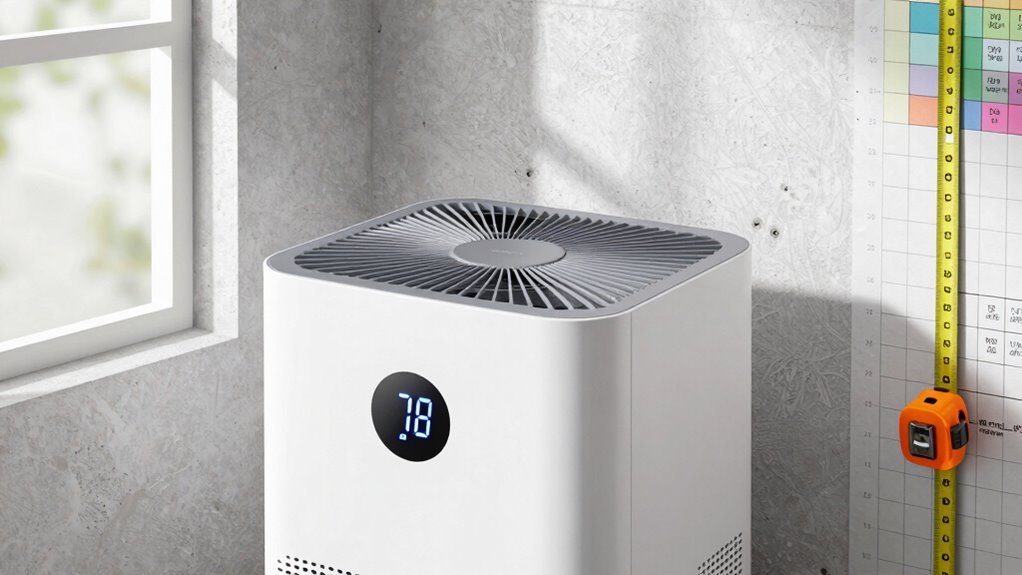
Ever wondered how to choose the right dehumidifier for your space? It’s a smart question because picking a unit that’s too big or too small can lead to issues like unnecessary energy consumption or insufficient moisture control. When sizing a dehumidifier, you need to take into account not only the size of your space but also how energy-efficient and quiet the unit is. An energy-efficient model helps keep your electricity bills low, especially if you plan to run it for long periods. Look for units with good ENERGY STAR ratings, as they’re designed to use less power without sacrificing performance. This way, you get effective moisture removal while also saving money over time. Additionally, understanding the energy efficiency of a model can help you make smarter choices that benefit both your wallet and the environment. Proper placement of the dehumidifier can also influence perceived noise levels and overall efficiency.
Noise levels matter more than you might think, especially if you’re placing the dehumidifier in a living area, bedroom, or home office. A loud machine can be disruptive and reduce your comfort. When researching models, check the decibel (dB) ratings—most manufacturers list this info. For quieter operation, aim for units that operate below 50 dB, similar to a gentle conversation. Keep in mind that larger capacity units tend to produce more noise, so balance your needs for moisture removal with your preference for quiet operation. Proper placement of the dehumidifier can also influence perceived noise levels and overall efficiency. Furthermore, selecting the right capacity ensures the unit runs efficiently without overexerting, which can extend its lifespan and maintain optimal performance.
Beyond energy efficiency and noise, you’ll want to accurately measure your space’s square footage and humidity levels. For a small room, a compact dehumidifier with a lower capacity might suffice, but if you’re dealing with a basement or large open area, you’ll need a more powerful unit. Additionally, consider the room’s typical humidity levels—if it’s consistently damp, opt for a model with a higher moisture removal rate per day. This prevents overworking the unit and ensures you maintain a comfortable, healthy environment without wasting energy. Understanding moisture removal rates can help you select the most suitable model for your needs.
Another key point is to check the dehumidifier’s features. Some models include adjustable humidity settings, auto shut-off, and continuous drainage options, which make operation easier and more efficient. Incorporating smart features can further optimize the unit’s performance and energy consumption. By choosing a unit with these features, you ensure it operates only when necessary, further improving energy efficiency and reducing noise. Remember, the goal isn’t just to pick the biggest or most powerful unit; it’s to find one that fits your space, minimizes energy use, and operates quietly enough to suit your lifestyle. When you balance these factors, you’ll end up with a dehumidifier that works effectively, doesn’t waste energy, and keeps your environment comfortable.
ENERGY STAR dehumidifier for large rooms
As an affiliate, we earn on qualifying purchases.
As an affiliate, we earn on qualifying purchases.
Frequently Asked Questions
Can I Use a Dehumidifier in Multiple Rooms Simultaneously?
Yes, you can use a dehumidifier in multiple rooms simultaneously, but it depends on room insulation and dehumidifier placement. If rooms are well-insulated and doors are open, a single unit can handle multiple spaces effectively. For better results, position the dehumidifier centrally or near the problem areas, and guarantee good airflow between rooms. This way, you optimize moisture removal without overburdening the unit.
How Often Should I Run the Dehumidifier for Optimal Results?
You should run your dehumidifier daily, but avoid overuse, to balance energy and effectiveness. While operating it, remember that proper air filter maintenance enhances performance, and strategic dehumidifier placement ensures maximum moisture removal. Keep an eye on humidity levels, ideally between 30-50%, and adjust run time accordingly. Regularly check and clean filters to prevent strain, and position the unit where airflow isn’t obstructed for best results.
Do Dehumidifiers Consume a Lot of Electricity?
Dehumidifiers do consume some electricity, but their energy consumption varies based on size and power efficiency. Modern models are designed to be energy-efficient, so you can run them without a huge spike in your electricity bill. To minimize costs, choose a unit with good power efficiency ratings, and operate it only as needed. Regular maintenance and correct sizing guarantee you’re not wasting energy, making dehumidifiers an economical choice for moisture control.
Can a Dehumidifier Remove Mold Effectively?
Think of a dehumidifier as a mold-fighting knight, wielding humidity control as its sword. It can effectively remove mold by lowering indoor moisture levels, preventing mold spores from settling and growing. For mold prevention, choose a unit with the right capacity, and run it consistently in damp areas. Proper humidity control is your best defense, keeping mold at bay and maintaining a healthier, cleaner environment.
What Is the Ideal Humidity Level for a Home?
The ideal humidity level for your home is between 30% and 50%. This range helps with humidity control, preventing excess air moisture that can cause mold and discomfort. Maintaining this level guarantees a healthy, comfortable environment while avoiding over-drying the air. Use a hygrometer to monitor humidity, and adjust your dehumidifier accordingly to keep air moisture balanced without overdoing it.
As an affiliate, we earn on qualifying purchases.
Conclusion
Choosing the right dehumidifier is like finding the perfect fit for your home’s breath. When you size it correctly, you create a space that feels fresh and comfortable, like a cool breeze on a hot day. But overdoing it can turn your sanctuary into a dry desert, robbing the room of its natural balance. So, select wisely, and let your home breathe freely—neither too damp nor too parched, but just right.
compact dehumidifier for small rooms
As an affiliate, we earn on qualifying purchases.
As an affiliate, we earn on qualifying purchases.
dehumidifier with adjustable humidity settings
As an affiliate, we earn on qualifying purchases.
As an affiliate, we earn on qualifying purchases.
Fall Picks
fall essentials
As an affiliate, we earn on qualifying purchases.