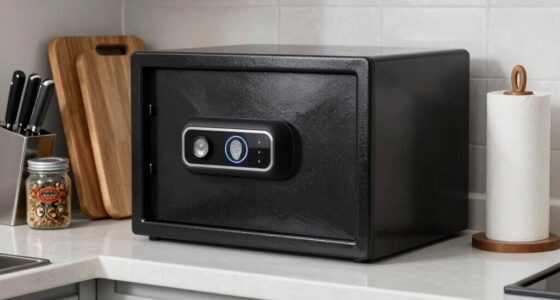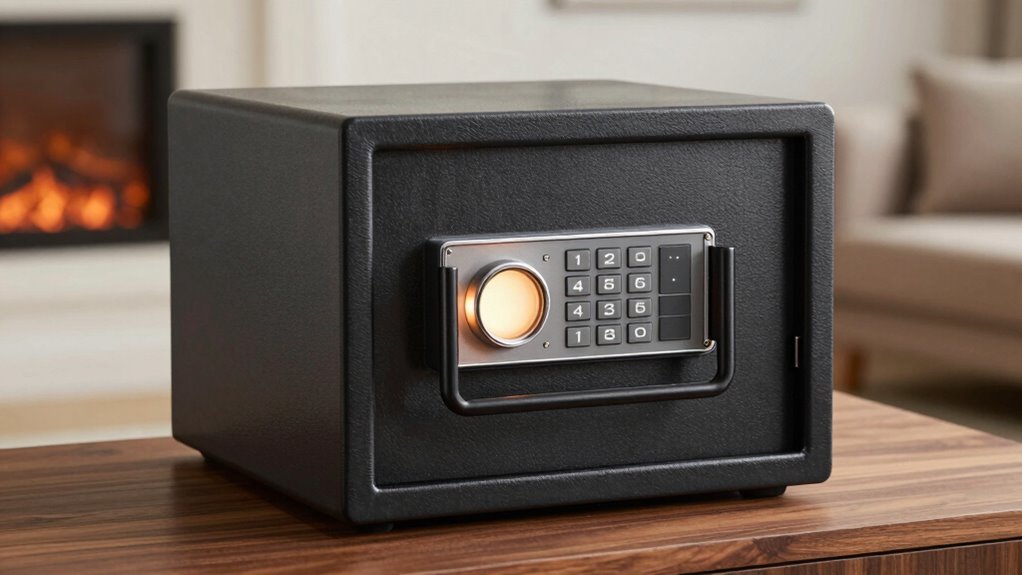
Fire ratings on home safes show how long your valuables can withstand intense heat during a fire before they get damaged. For example, a one-hour rating means the safe can resist high temperatures for that long, keeping documents and electronics safe inside. These ratings are based on testing with certified fireproof materials and construction standards. To learn how to choose the best safe for your needs and what features matter most, keep exploring the details below.
Key Takeaways
- Fire ratings indicate how long a safe can withstand high temperatures without internal damage.
- Certified safes have tested and verified fire resistance, ensuring real protection during a blaze.
- A one-hour fire rating means the safe resists intense heat for at least 60 minutes before damage occurs.
- Fireproof materials and proper insulation help maintain a safe internal environment during a fire.
- Combining fire ratings with security features like biometric locks enhances overall protection for valuables.
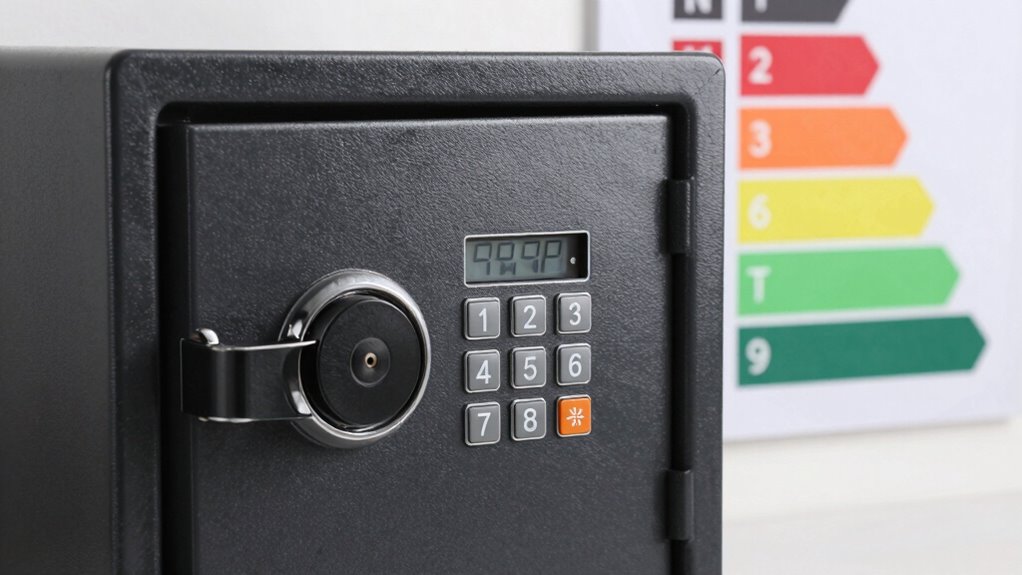
Have you ever considered how vulnerable your valuables are if not stored securely at home? Many people underestimate the risks of theft, fire, or other disasters that can wipe out years of savings, irreplaceable documents, or priceless heirlooms in an instant. That’s where a home safe becomes essential. But beyond simply choosing a safe, understanding fire ratings is imperative to guarantee your belongings are protected during a blaze. Fire ratings on safes are often misunderstood or oversimplified, so it’s crucial to decode what they really mean. These ratings specify how long a safe can withstand high temperatures without compromising its contents. For example, a safe rated for one hour at a certain temperature indicates it can endure intense heat for that duration before the internal temperature exceeds a threshold that could damage sensitive items like documents or electronics. This information helps you determine the appropriate level of protection based on what you plan to store.
When shopping for a safe, pay attention to the construction materials, especially fireproof materials. Quality safes use specialized fire-resistant materials that insulate the interior from heat and flames. These fireproof materials are designed to withstand extreme temperatures, preventing the interior from reaching damaging levels during a fire. Combining fireproof materials with a high fire rating means your valuables are more likely to survive a blaze unscathed. It’s also important to look for safes with proper sealing and insulation, which work together to maintain a stable internal environment even when the external temperature skyrockets. Remember, not all safes are created equal; some claim to be fireproof but lack the certification or materials needed to truly withstand fire. Always check for independent testing and certification to verify their fire ratings.
In addition to fire protection, modern safes also incorporate advanced security features like biometric security. This technology adds an extra layer of protection, allowing only authorized users to access the contents. Biometric security uses fingerprint or retina scans, making it nearly impossible for intruders to break in without your permission. When combined with fireproof materials and solid construction, a safe with biometric security offers all-encompassing protection for your most valuable possessions. It’s a smart investment that gives you peace of mind, knowing that your valuables are shielded from both fire and unauthorized access. Understanding the construction materials and how they contribute to fire resistance is crucial in making an informed purchase. Ultimately, choosing the right home safe involves understanding its fire rating, ensuring it’s constructed from reliable fireproof materials, and considering advanced security features. These elements work together to provide the highest level of protection for your valuables, giving you confidence that your most important items are safe, no matter what emergencies arise.

SentrySafe Fireproof and Waterproof Large Safe with Backlit Digital Keypad and Override Key for Passports, Money, Jewelry, 0.81 Cubic Feet, FPW082HTC
FIREPROOF: Safe is UL Classified to protect your valuables in a fire for 1 hour in up to…
As an affiliate, we earn on qualifying purchases.
As an affiliate, we earn on qualifying purchases.
Frequently Asked Questions
Do Fire Ratings Apply to Water or Theft Protection?
Fire ratings don’t apply to water protection or theft resistance. They specifically measure how well a safe can withstand fire damage over a set period. If you want water protection, look for safes rated for water resistance, and for theft resistance, choose safes with features like reinforced steel and pry-proof locks. Always check each rating separately to make sure your valuables are protected against specific threats.
How Do I Choose the Right Fire Rating for My Valuables?
To select the right fire rating for your valuables, consider your fire safety needs and the importance of your items. Opt for a safe with a higher fire rating if you want more protection during a fire. Look for safe construction features like fire-resistant materials and insulation. A good fire rating guarantees your valuables stay protected longer, giving you peace of mind in emergencies.
Are Higher Fire Ratings Always Better for Home Safes?
Higher fire ratings aren’t always better because fire rating myths can lead you to believe they guarantee total safety, but safe durability depends on your needs. While a higher rating offers more protection in extreme fires, it can also mean a heavier, more expensive safe. Focus on choosing a rating that matches your valuables’ value and risk level, rather than assuming bigger is always safer.
How Often Should I Replace My Safe Based on Fire Ratings?
You should replace your safe based on its fire rating lifespan and your changing needs. Generally, fire safes are designed to protect valuables for about 5 to 10 years, but this can vary. Regularly check for signs of wear or damage, and follow a safe replacement schedule if the safe’s fire rating is nearing its limit. Don’t wait too long—prioritize your valuables’ safety by updating when necessary.
Do Fire Ratings Vary Between Different Safe Manufacturers?
Yes, fire ratings do vary between different safe manufacturers. You should check safe certifications and manufacturer standards to compare ratings accurately. Some brands might offer higher or more reliable fire protection based on their testing methods and materials. Always review the specific fire rating details for each safe, and choose one that meets your needs, ensuring it’s certified by reputable organizations for the level of fire resistance you require.

Billconch Smart Gun Safe for Multiple Pistols – Automatic Lock Safe Box with LCD Display/Voice Guide, Quick Access Unlock with Fingerprint/Keypad/Key/App, Biometric Handgun Safe for Money Valuables
Unique Pistol Bracket Design: The gun safe features an innovative pistol bracket design, ensuring secure and organized storage…
As an affiliate, we earn on qualifying purchases.
As an affiliate, we earn on qualifying purchases.
Conclusion
Remember, a safe is only as good as what’s inside it. Understanding fire ratings helps you choose wisely, so your valuables stay protected when it matters most. Don’t wait until the fire is at your door—be prepared now. As the saying goes, “A stitch in time saves nine.” Take the time to pick the right home safe today, and you’ll thank yourself tomorrow for your foresight and peace of mind.
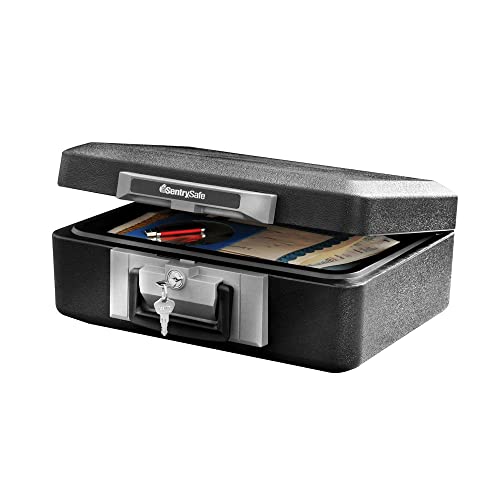
SentrySafe Fireproof Safe Box with Key Lock, Chest Safe with Carrying Handle to Secure Money, Jewelry, Documents, 0.25 Cubic Feet, 6.3 x 15.3 x 12.1 Inches, 1160
FIRE RESISTANT BOX: Lifetime after-fire replacement guarantee. Keep your important papers, digital media and other valuables secure and…
As an affiliate, we earn on qualifying purchases.
As an affiliate, we earn on qualifying purchases.
![[2026 Upgraded] 35 Mins Heavy Duty Fireproof Safe, 7.5 Cuft Home Safes Fireproof Waterproof, Fire Proof Safe with Digital Keypad Keys, Smart Alert, Mute Mode, Security Safes for Home Office Documents](https://m.media-amazon.com/images/I/518kzN6MVqL._SL500_.jpg)
[2026 Upgraded] 35 Mins Heavy Duty Fireproof Safe, 7.5 Cuft Home Safes Fireproof Waterproof, Fire Proof Safe with Digital Keypad Keys, Smart Alert, Mute Mode, Security Safes for Home Office Documents
【NOTE】This product takes into account real fire protection and waterproof properties, so there are no holes on the…
As an affiliate, we earn on qualifying purchases.
As an affiliate, we earn on qualifying purchases.