For rugged trails, I’d start with the Salomon Quest 4 GTX as the best overall choice for hikers who want substantial support and weather protection. The Asolo TPS 520 GV Evo stands out for demanding backpacking, while the Merrell Moab 3 Mid Waterproof offers a more approachable balance of comfort and trail versatility. The main tradeoff is between a supportive, durable build for rough terrain and a lighter, more flexible boot that feels less demanding on easier miles. Fit, pack weight, and expected conditions matter as much as the feature list. Read on for how all 14 options compare and which type of hiker each one suits.

Get your next haul delivered free with Prime
- Fast, free delivery on millions of items
- Prime Video, Amazon Music and more included
- Member-only deals all year
Key Takeaways
- The Salomon Quest 4 GTX leads the all-around picks for hikers seeking a supportive, weather-ready boot without moving to the heaviest backpacking designs.
- Asolo’s TPS 520 GV Evo and TPS 535 LTH V EVO target more demanding use; their substantial leather construction makes more sense for rough routes and heavier loads than casual day hikes.
- The Merrell Moab 3 Mid Waterproof and Columbia Newton Ridge Plus II are comfort-minded alternatives for hikers who value accessibility and everyday trail versatility over maximum structure.
- Several products serve different footwear needs rather than competing directly: the Columbia Newton Ridge waterproof hiking shoe is lower-cut, while the full-height boots offer more ankle coverage.
- The lineup includes repeated and closely related listings, including two Moab 3 Mid Waterproof entries and two TPS 520 GV Evo entries, so buyers should verify the exact model and configuration before choosing.
| Salomon Quest 4 GTX Hiking Boots |  | Best for Long, Load-Bearing Treks | Origin: Imported | Sole material: Rubber | Shaft height: Ankle | VIEW ON AMAZON | See Our Full Breakdown |
| Columbia Men’s Newton Ridge Plus II Suede Waterproof Hiking Boot |  | Best for Mixed-Weather Day Hikes | Origin: Imported | Sole material: Rubber | Shaft circumference: 9.42 inches | VIEW ON AMAZON | See Our Full Breakdown |
| Merrell Men’s Moab 3 Mid Waterproof Hiking Boots |  | Best for Cushioned, Grippy Day Hikes | Origin: Imported | Sole material: Rubber | Shaft height: Ankle | VIEW ON AMAZON | See Our Full Breakdown |
| NORTIV 8 Men’s Ankle High Waterproof Hiking Boots |  | Best for Casual Outdoor Versatility | Fabric type: Fabric-and-synthetic | Origin: Imported | Sole material: EVA and rubber | VIEW ON AMAZON | See Our Full Breakdown |
| Timberland Men’s White Ledge Mid Waterproof Hiking Boots | 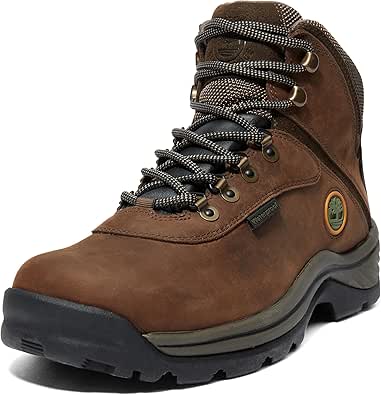 | Best for Leather Durability | Sole material: Rubber | Shaft height: Mid | Shaft circumference: 9.75 inches | VIEW ON AMAZON | See Our Full Breakdown |
| Asolo Men’s TPS 520 GV Evo Waterproof Backpacking Boots |  | Best for Heavy Backpacking Loads | Upper: 2.6–2.8 mm full-grain leather | Lining: GORE-TEX Performance Comfort Footwear | Shaft height: Ankle | VIEW ON AMAZON | See Our Full Breakdown |
| Columbia Men’s Newton Ridge Plus II Waterproof Hiking Shoe |  | Best for Mixed-Terrain Day Hikes | Construction: Full-grain leather and mesh | Waterproof: Yes | Shaft height: Ankle | VIEW ON AMAZON | See Our Full Breakdown |
| Asolo Men’s TPS 535 LTH V EVO Leather Hiking Boots |  | Best for Leather-Boot Traditionalists | Upper: 2.6–2.8 mm water-resistant full-grain leather | Lining: Cambrelle | Shaft height: Ankle | VIEW ON AMAZON | See Our Full Breakdown |
| NORTIV 8 Men’s Waterproof Lightweight Hiking Boots |  | Best for Protective All-Purpose Outings | Outer material: Suede and faux leather | Sole material: EVA and rubber | Shaft height: Ankle | VIEW ON AMAZON | See Our Full Breakdown |
| Kenetrek Men’s Bridger High Hiking Boots |  | Best for Added Ankle Coverage | Shaft height: 7 inches | Shaft circumference: 9 inches | Sole material: Rubber | VIEW ON AMAZON | See Our Full Breakdown |
| Asolo Men’s TPS 520 GV Evo Waterproof Round Toe Backpacking Boots |  | Best for Heavy Backpacking Loads | Upper material: Full-grain leather | Waterproofing: GORE-TEX Performance Comfort lining | Sole material: Vibram | VIEW ON AMAZON | See Our Full Breakdown |
| Columbia Men’s Transverse Hike Waterproof |  | Best for Lightweight Trail Days | Upper: Leather and mesh | Waterproofing: Omni-Tech seam-sealed construction | Cushioning: Techlite | VIEW ON AMAZON | See Our Full Breakdown |
| Danner Mountain 600 Men’s Hiking Boots |  | Best for Wet-Trail Grip | Upper material: Full-grain leather or suede | Waterproofing: Danner Dry barrier | Footbed: Ortholite triple-density polyurethane | VIEW ON AMAZON | See Our Full Breakdown |
| Merrell Men’s Moab 3 Mid Waterproof Hiking Boots |  | Best Comfort-First Mid Boot | Upper material: Pigskin leather and mesh | Waterproofing: Yes | Shaft height: Mid | VIEW ON AMAZON | See Our Full Breakdown |
| premium hiking boots for rugged trail | Sole material | Shaft height | Shaft circumference | Midsole |
|---|---|---|---|---|
| Salomon Quest 4 GTX Hiking Boo | Rubber | Ankle | 10.5 inches | — |
| Columbia Men’s Newton Ridge Pl | Rubber | — | 9.42 inches | — |
| Merrell Men’s Moab 3 Mid Water | Rubber | Ankle | 4 inches | Super Rebound Compound |
| NORTIV 8 Men’s Ankle High Wate | EVA and rubber | Ankle | — | Lightweight EVA |
| Timberland Men’s White Ledge M | Rubber | Mid | 9.75 inches | EVA |
| Asolo Men’s TPS 520 GV Evo Wat | Rubber | Ankle | 13 inches | Dual-density polyurethane |
| Columbia Men’s Newton Ridge Pl | Rubber | Ankle | 1 inch (as listed) | — |
| Asolo Men’s TPS 535 LTH V EVO | Rubber | Ankle | 13 inches | Co-injected polyurethane |
| NORTIV 8 Men’s Waterproof Ligh | EVA and rubber | Ankle | — | — |
| Kenetrek Men’s Bridger High Hi | Rubber | 7 inches | 9 inches | — |
| Asolo Men’s TPS 520 GV Evo Wat | Vibram | Ankle | 13 inches | Dual-density polyurethane |
| Columbia Men’s Transverse Hike | Rubber | Ankle | 1 inch | — |
| Danner Mountain 600 Men’s Hiki | Leather (listed) | Ankle | 29.5 cm | Rubberized EVA |
| Merrell Men’s Moab 3 Mid Water | — | Mid | 4 inches | EVA foam |
More Details on Our Top Picks
Salomon Quest 4 GTX Hiking Boots
The Salomon Quest 4 GTX is the strongest match here for hikers carrying a pack over long, demanding days. Its cushioned, supportive build is intended to soften repeated footfalls and limit fatigue, while the stable feel helps on uneven routes. Compared with the Merrell Moab 3 Mid Waterproof, which highlights a removable footbed, breathable mesh, and a Vibram outsole, the Quest puts more emphasis on support and a smooth ride for extended trekking. That focus makes it a compelling rugged-trail choice, but the supplied details do not specify its waterproof construction or outsole technology, so I would not assume those features from the name alone. Choose it for supportive comfort; skip it if you need detailed fit or weather specs before buying.
Pros:- Cushioned construction is designed to reduce fatigue on long treks
- Supportive, stable feel suits backpacking
- Smooth ride for extended walking
- Ankle-height shaft offers more coverage than a low hiking shoe
Cons:- Waterproofing details are not specified in the supplied product information
- Outsole grip technology is not identified, limiting trail-specific comparison
- The support-focused design may be more boot than casual day hikers need
Best for: Backpackers planning long days on rugged trails who prioritize cushioning, support, and a stable walking feel.
Not ideal for: Hikers who need confirmed waterproofing or specific outsole details before choosing, since those specifications are not provided here.
- Origin:Imported
- Sole material:Rubber
- Shaft height:Ankle
- Shaft circumference:10.5 inches
- Primary use:Backpacking and long treks
- Ride:Cushioned and smooth
Our verdict“Choose the Quest 4 GTX if long-distance backpacking comfort and stability matter more to you than having every weather and outsole detail spelled out.”
Columbia Men’s Newton Ridge Plus II Suede Waterproof Hiking Boot
The Newton Ridge Plus II Suede Waterproof makes sense for hikers who want weather protection and straightforward traction without a backpacking-focused build. Its waterproof leather-and-suede upper and OMNI-GRIP outsole address wet paths and varied surfaces, while the lightweight midsole aims to keep day hikes comfortable. Compared with the Timberland White Ledge Mid, which also pairs a waterproof leather upper with an EVA footbed, this Columbia lists a named traction system and dual-zone winter tread. The tradeoff is reduced breathability from the waterproof materials, and its construction may feel heavier than a trail-specific shoe. I would favor it for damp, changeable routes; for long, heavily loaded treks, the more supportive Salomon Quest 4 GTX is the more targeted option.
Pros:- Waterproof suede and leather upper offers weather protection
- OMNI-GRIP outsole is specified for traction across varied terrain
- Lightweight midsole is designed for comfort and energy return
- Lace-up closure allows fit adjustment
Cons:- Waterproof materials may limit breathability
- May feel heavier than trail-specific footwear
- The supplied details do not identify a removable or specialized footbed
Best for: Day hikers who encounter wet, mixed terrain and want a waterproof leather boot with a specified traction system.
Not ideal for: Hikers who run warm, prioritize airflow, or want a particularly lightweight boot for fast-moving trail days.
- Origin:Imported
- Sole material:Rubber
- Shaft circumference:9.42 inches
- Outer material:Leather
- Waterproof:Yes
- Closure:Lace-up
- Traction system:OMNI-GRIP
- Winter tread pattern:Dual-zone
Our verdict“Pick the Newton Ridge Plus II for waterproof day hikes on varied or damp trails, but look elsewhere if low weight and breathability lead your priorities.”
Merrell Men’s Moab 3 Mid Waterproof Hiking Boots
The Merrell Moab 3 Mid Waterproof balances wet-weather coverage with cushioning and a clearly specified grip component. A waterproof membrane pairs with a suede-and-mesh upper, while the Vibram rubber outsole gives buyers a concrete traction detail for rougher paths. Its removable, contoured footbed with reinforced heel cushioning also offers more underfoot customization than the supplied details for the Columbia Newton Ridge Plus II. The midsole is built to absorb shock, making this a sensible choice for day hikes where comfort matters as much as grip. Its stated support is medium, though, so hikers seeking the Salomon Quest 4 GTX’s stronger backpacking emphasis may prefer that model for long, load-bearing treks. The Moab’s best fit is a versatile, cushioned outing—not maximum support.
Pros:- Waterproof membrane helps keep feet dry while the mesh upper allows moisture to escape
- Vibram rubber outsole provides a specified grip component
- Removable contoured footbed adds reinforced heel cushioning
- Super Rebound Compound midsole is designed to absorb shock
Cons:- Medium support may not suit hikers seeking a more supportive backpacking boot
- Waterproof construction can still feel warm in hot conditions
- The supplied details do not specify the boot’s weight
Best for: Day hikers who want waterproof ankle coverage, shock absorption, and a grippy outsole for varied trails.
Not ideal for: Backpackers carrying heavy loads who want a boot explicitly centered on higher support for extended treks.
- Origin:Imported
- Sole material:Rubber
- Shaft height:Ankle
- Shaft circumference:4 inches
- Upper:Pig suede leather and breathable mesh
- Waterproofing:Waterproof membrane
- Footbed:Removable Kinetic Fit ADVANCED contoured footbed with reinforced heel cushioning
- Support:Medium
- Midsole:Super Rebound Compound
Our verdict“Choose the Moab 3 Mid for cushioned, waterproof day hikes with named outsole grip, but favor the Quest 4 GTX if heavy-pack support is your priority.”
NORTIV 8 Men’s Ankle High Waterproof Hiking Boots
The NORTIV 8 Ankle High Waterproof is the practical pick for buyers who want one boot for hiking, camping, and general outdoor use rather than a highly specialized backpacking tool. Its shock-absorbent insole and lightweight EVA midsole target day-long comfort, while the slip-proof rubber sole is intended to help on wet surfaces. Compared with the more trail-specific Merrell Moab 3 Mid Waterproof, this model lists fewer technical details: there is no named outsole system, removable footbed, or stated support level. That makes it harder to judge for sustained rugged mileage, even if its general-purpose build suits easier outings. The supplied information also flags possible weight and break-in concerns. I’d pick it for mixed outdoor chores and occasional hikes, not as my first choice for demanding, extended trails.
Pros:- Waterproof construction is suited to wet conditions
- Slip-proof rubber sole is designed for traction on wet surfaces
- Shock-absorbent insoles and EVA midsoles target walking comfort
- Versatile design covers hiking, camping, and trekking
Cons:- May feel heavy during long hikes
- A break-in period may be needed for comfortable wear
- The supplied product details give less specific outsole and support information than the Merrell Moab 3 Mid
Best for: Casual hikers and campers who want waterproof ankle boots for varied outdoor activities and shorter trail outings.
Not ideal for: Frequent rugged-trail hikers seeking detailed traction specifications, a stated support level, or a boot expressly built for long-distance backpacking.
- Fabric type:Fabric-and-synthetic
- Origin:Imported
- Sole material:EVA and rubber
- Shaft height:Ankle
- Waterproof:Yes
- Midsole:Lightweight EVA
- Insole:Shock-absorbent
Our verdict“Choose the NORTIV 8 for general outdoor use and occasional hikes, but select a more technically specified boot for frequent rugged mileage.”
Timberland Men’s White Ledge Mid Waterproof Hiking Boots
The Timberland White Ledge Mid suits hikers who prefer a leather upper and simple, durable construction over a feature-heavy technical setup. Waterproof Timberland leather, a gusseted tongue, and rustproof hardware address wet-weather exposure and secure lacing; the EVA footbed and midsole add cushioning for everyday trail use. Compared with the Columbia Newton Ridge Plus II, Timberland specifies its upper and lining materials but does not list a named traction system or tread pattern. That leaves less detail for buyers choosing a boot around slippery, demanding terrain. It also may feel heavy, which matters more over long distances than on shorter hikes. I’d choose it for a leather-first build and straightforward comfort, while hikers focused on grip specifications may prefer the Columbia’s OMNI-GRIP outsole.
Pros:- Waterproof Timberland leather upper is built for durability
- Gusseted tongue helps limit debris and water entry
- Rustproof hardware with lace hooks supports a secure fit
- EVA footbed and midsole provide cushioning
Cons:- May feel heavy on long hikes
- No named traction system or tread pattern is specified
- The supplied details list limited information about underfoot support
Best for: Hikers who value a waterproof leather upper, durable hardware, and cushioned construction for day hikes and outdoor wear.
Not ideal for: Weight-conscious hikers or those who want a named traction system and specific outsole details for technical, slippery trails.
- Sole material:Rubber
- Shaft height:Mid
- Shaft circumference:9.75 inches
- Upper material:Waterproof Timberland leather
- Lining:ReBOTL fabric
- Footbed:EVA
- Midsole:EVA
Our verdict“Choose the White Ledge Mid if leather durability and basic waterproof comfort matter most, but favor the Newton Ridge Plus II for specified traction features.”
Asolo Men’s TPS 520 GV Evo Waterproof Backpacking Boots
The Asolo TPS 520 GV Evo is the most load-focused pick in this group: its thick full-grain leather upper, dual-density polyurethane midsole, and Triple Power Structure shock absorbers are built to support long days with a pack on rough ground. The GORE-TEX lining adds breathable wet-weather protection, while the Asolo/Vibram outsole is aimed at dependable traction. Compared with the lighter, more general-purpose Kenetrek Bridger High, this Asolo gives more emphasis to underfoot shock management and substantial leather construction. That strength comes with a likely cost in flexibility and a more demanding feel than a lightweight trail boot; the supplied details do not provide a boot weight or break-in guidance. Choose it for rugged backpacking, not for a fast, light outing.
Pros:- GORE-TEX Performance Comfort lining provides breathable waterproof protection.
- Thick full-grain leather upper is suited to demanding trail use.
- Dual-density polyurethane midsole and TPS shock absorbers address impact under a loaded pack.
- Asolo/Vibram TPS Evo outsole is designed for rugged-trail grip.
Cons:- Substantial leather construction may feel less flexible than lighter hiking options.
- Product details do not specify weight or break-in expectations.
- Water resistance and support come in an ankle-height design rather than a taller shaft.
Best for: Backpackers carrying substantial loads who want a supportive leather boot with waterproof lining and shock-absorbing structure.
Not ideal for: Day hikers prioritizing a light, flexible boot, or buyers who need published weight and fit guidance before choosing.
- Upper:2.6–2.8 mm full-grain leather
- Lining:GORE-TEX Performance Comfort Footwear
- Shaft height:Ankle
- Shaft circumference:13 inches
- Midsole:Dual-density polyurethane
- Outsole:Asolo/Vibram TPS Evo
- Lacing system:Micro Pulley
- Sole material:Rubber
Our verdict“Choose the TPS 520 GV Evo for loaded backpacking on rugged trails if support and shock absorption matter more to you than a lightweight feel.”
Columbia Men’s Newton Ridge Plus II Waterproof Hiking Shoe
The Columbia Newton Ridge Plus II suits hikers who want waterproof protection and adaptable traction without choosing a highly specialized backpacking boot. Its OMNI-GRIP multi-terrain system and dual-zone winter tread are intended to handle changing surfaces, while the lightweight midsole keeps the design oriented toward everyday trail use. Compared with the heavier-duty Asolo TPS 520 GV Evo, this Columbia is the more approachable option for day hikes and mixed conditions, but it lacks the Asolo’s specified thick leather upper and dedicated shock-absorbing structure. The listing describes a leather-and-mesh construction and a waterproof build, but gives little detail about the membrane or midsole material. Its stated narrow shaft circumference may also make fit less accommodating for some hikers.
Pros:- OMNI-GRIP traction system is designed for varied terrain.
- Dual-zone winter tread extends its stated use to cold-weather surfaces.
- Lightweight midsole favors comfort on day hikes.
- Adjustable lace-up closure lets the wearer tune the fit.
Cons:- Shaft circumference is listed as 1 inch, a measurement that may indicate a narrow fit and merits checking.
- Product details do not identify the waterproof membrane or midsole material.
- Less specifically equipped for heavy backpacking loads than the Asolo TPS 520 GV Evo.
Best for: Day hikers who move between ordinary trails and occasional wet or wintery sections and want a waterproof, traction-focused boot.
Not ideal for: Backpackers seeking specified heavy-load support, or hikers who need extra room around the shaft.
- Construction:Full-grain leather and mesh
- Waterproof:Yes
- Shaft height:Ankle
- Shaft circumference:1 inch (as listed)
- Traction system:OMNI-GRIP multi-terrain
- Tread pattern:Dual-zone winter
- Sole material:Rubber
Our verdict“Pick the Newton Ridge Plus II for mixed-terrain day hikes when versatile traction and a lightweight midsole take priority over backpacking-level support.”
Asolo Men’s TPS 535 LTH V EVO Leather Hiking Boots
The Asolo TPS 535 LTH V EVO is the leather-first alternative for hikers who value durable construction and cushioning but do not need the specified GORE-TEX lining found in the Asolo TPS 520 GV Evo. Its water-resistant, 2.6–2.8 mm full-grain leather upper and Cambrelle lining pair with a co-injected polyurethane midsole and Asolo/Vibram Triple Power Structure outsole. That combination points toward support and traction on long, rough hikes; the self-cleaning tread is useful when mud would otherwise clog the lugs. The tradeoff is less defined wet-weather protection than the 520’s named waterproof membrane: water resistance is not the same claim as a waterproof lining. Product details also omit weight and fit feedback, making this a less certain choice for buyers who need those specifics.
Pros:- Thick water-resistant full-grain leather upper is built for durable trail use.
- Cambrelle lining supports moisture management.
- Co-injected polyurethane midsole is intended to cushion long hikes.
- Asolo/Vibram Triple Power Structure outsole has a self-cleaning tread.
Cons:- Cambrelle lining is not the specified GORE-TEX waterproof protection offered by the Asolo TPS 520 GV Evo.
- No product weight is provided.
- No fit feedback is supplied to help buyers judge sizing.
Best for: Hikers who prefer a substantial full-grain leather boot with cushioning and traction, and who accept water-resistant rather than specified membrane protection.
Not ideal for: Hikers facing frequent prolonged rain who want a named waterproof lining, or buyers who need weight and fit information up front.
- Upper:2.6–2.8 mm water-resistant full-grain leather
- Lining:Cambrelle
- Shaft height:Ankle
- Shaft circumference:13 inches
- Midsole:Co-injected polyurethane
- Outsole:Asolo/Vibram Triple Power Structure
- Sole material:Rubber
- Origin:Imported
Our verdict“Choose the TPS 535 if you want a durable, supportive leather boot and do not require the more clearly specified waterproof lining of the TPS 520.”
NORTIV 8 Men’s Waterproof Lightweight Hiking Boots
The NORTIV 8 Waterproof Lightweight Hiking Boots bring together a waterproof design, reinforced toe and heel, and a removable cushioned insole, making them a practical fit for hikers who also want one boot for camping and general outdoor use. The suede-and-faux-leather upper gives them a different construction approach from the thick full-grain leather Asolo TPS 535; the Asolo is the more clearly specified choice for long-hike cushioning and outsole design, while NORTIV 8 emphasizes protective reinforcements and removable insole comfort. Its EVA-and-rubber sole combines cushioning with a rubber traction surface. However, the listing provides little technical detail about waterproof construction or tread design, and its durable materials may feel heavy to some wearers despite the lightweight name.
Pros:- Waterproof design is suited to wet outdoor conditions.
- Reinforced toe cap and heel add protection and support.
- Slip-resistant rubber outsole is intended for varied terrain.
- Removable cushioned insole allows the wearer to take it out or replace it.
Cons:- Product details do not specify the waterproof membrane or lining.
- EVA-and-rubber sole details do not include a named tread system.
- Durable materials may feel heavy to some hikers.
Best for: Campers and recreational hikers who want waterproof protection, reinforced toe and heel coverage, and a removable cushioned insole.
Not ideal for: Technical backpackers who need detailed outsole, lining, or support specifications before choosing a boot.
- Outer material:Suede and faux leather
- Sole material:EVA and rubber
- Shaft height:Ankle
- Circumference:30.8 centimeters
- Waterproof:Yes
- Insole:Removable cushioned insole
- Protection:Reinforced toe cap and heel
Our verdict“Choose NORTIV 8 for general hiking and camping if protective reinforcements and removable insole comfort matter more than detailed technical specifications.”
Kenetrek Men’s Bridger High Hiking Boots
The Kenetrek Bridger High is the clearest choice here for hikers who want a taller boot shaft: its listed 7-inch height offers more coverage than the ankle-height Asolo and Columbia options. The product description also calls out waterproof, breathable protection, a high-traction outsole, and support intended for long hikes. Compared with the Asolo TPS 520 GV Evo, though, the Kenetrek listing provides fewer construction specifics: it does not name the waterproof membrane, upper material, midsole, or outsole system. That makes it harder to judge the boot’s exact support and durability against the Asolo’s detailed leather and TPS build. The supplied drawbacks also flag a possible break-in period and weight concerns, so the “lightweight” description may not suit every hiker.
Pros:- Seven-inch shaft provides more coverage than the ankle-height boots in this group.
- Waterproof, breathable protection is described for varied weather.
- Secure ankle support is aimed at stability on rugged ground.
- High-traction outsole is designed for trail footing.
Cons:- A break-in period may be needed before longer hikes.
- Some users may find the boot heavy despite its lightweight description.
- Product details do not identify the upper, waterproof membrane, midsole, or outsole model.
Best for: Hikers who prefer more shaft coverage and want waterproof protection and ankle support for long outings on rugged trails.
Not ideal for: Buyers who want detailed materials and component specifications, or hikers seeking a boot that feels flexible immediately.
- Shaft height:7 inches
- Shaft circumference:9 inches
- Sole material:Rubber
- Waterproof:Yes, described as waterproof and breathable
- Ankle support:Secure support, as described
- Outsole:High-traction outsole
- Origin:Imported
Our verdict“Choose the Bridger High if taller shaft coverage is your priority and you are willing to trade detailed component information for a simpler feature profile.”
Asolo Men’s TPS 520 GV Evo Waterproof Round Toe Backpacking Boots
For demanding backpacking routes, I rank the Asolo TPS 520 GV Evo above lighter, comfort-first options because its full-grain leather upper, dual-density polyurethane midsole, and supportive lacing system are geared toward carrying weight over rough ground. The GORE-TEX Performance Comfort lining adds breathable waterproof protection, while the self-cleaning Vibram tread is designed to shed debris rather than pack it into the lugs. Compared with the Merrell Moab 3 Mid, this Asolo is the more substantial choice for extended trips and rugged terrain, but that build brings more weight and a possible break-in period. I’d choose it for support and durability, not for fast day hikes or buyers who want a soft, light boot straight out of the box.
Pros:- Full-grain leather construction is suited to repeated use on demanding trails.
- GORE-TEX Performance Comfort lining combines waterproof protection with breathability.
- Self-cleaning Vibram tread is designed to maintain traction as trail debris accumulates.
- Micro pulley lacing allows a secure, adjustable fit.
Cons:- Heavier construction can feel tiring on quick hikes or long days without a pack.
- Stiff leather may require a break-in period before extended trips.
- Its premium build may be more boot than casual hikers need.
Best for: Backpackers carrying substantial loads who want a durable leather boot, waterproof lining, and secure fit for rugged trails.
Not ideal for: Day hikers prioritizing low weight and immediate comfort, or budget-conscious buyers unwilling to pay for a more substantial construction.
- Upper material:Full-grain leather
- Waterproofing:GORE-TEX Performance Comfort lining
- Sole material:Vibram
- Outsole:Vibram with self-cleaning tread
- Midsole:Dual-density polyurethane
- Shaft height:Ankle
- Shaft circumference:13 inches
- Lacing system:Micro pulley system
Our verdict“Choose the Asolo TPS 520 GV Evo for rugged backpacking with a heavy pack; skip it if low weight and easy break-in matter more.”
Columbia Men’s Transverse Hike Waterproof
The Columbia Transverse Hike suits hikers who want waterproof protection and cushioning without moving up to a heavy leather backpacking boot. Its Omni-Tech seam-sealed construction is intended to block rain and snow, while Techlite cushioning helps soften repeated impacts and Omni-Grip rubber supports traction across varied terrain. Compared with the Asolo TPS 520 GV Evo, this Columbia is the more comfort-oriented choice for day hikes, but its listed details offer less evidence of the robust leather structure and backpacking-focused support that favor the Asolo under a heavy load. I’d keep it in the running for maintained trails and changing weather, but buyers seeking a highly supportive boot for long, rough trips may want a more substantial model.
Pros:- Omni-Tech seam-sealed construction is designed to keep rain and snow out.
- Techlite cushioning helps absorb impact on repeated steps.
- Omni-Grip rubber supports traction across varied terrain.
- Leather and mesh upper balances durable material with breathability.
Cons:- Available specs provide little detail about materials or construction for heavy-load backpacking.
- The listed shaft circumference is only 1 inch, which may not suit some users.
- Less suited to buyers seeking the substantial build of the Asolo TPS 520 GV Evo.
Best for: Day hikers who want waterproof coverage, cushioning, and multi-terrain traction in a less substantial alternative to a backpacking boot.
Not ideal for: Backpackers carrying heavy loads over extended, rugged routes who want a clearly specified leather upper and more substantial support.
- Upper:Leather and mesh
- Waterproofing:Omni-Tech seam-sealed construction
- Cushioning:Techlite
- Traction:Omni-Grip multi-terrain
- Sole material:Rubber
- Shaft height:Ankle
- Shaft circumference:1 inch
Our verdict“Choose the Transverse Hike for cushioned, waterproof day hikes, not for the heavy-load support of a dedicated backpacking boot.”
Danner Mountain 600 Men’s Hiking Boots
I’d put the Danner Mountain 600 near the top for hikers who meet slick rock, wet roots, and variable trail conditions. Its Vibram Fuga outsole with Megagrip compound is the main distinction: the tread is designed to hold on wet and dry surfaces, while the Danner Dry barrier adds waterproof protection. The Ortholite triple-density footbed and rubberized EVA midsole give this boot a comfort-focused foundation, setting it apart from the more load-oriented Asolo TPS 520 GV Evo. That makes Danner a strong fit for rugged day hikes, but it may not offer the same backpacking-first emphasis as the Asolo, and its boot construction can feel heavier than a hiking shoe. The upper may be full-grain leather or suede, so buyers should check the specific version.
Pros:- Vibram Fuga outsole with Megagrip compound is designed for wet and dry traction.
- Danner Dry barrier provides waterproof protection.
- Ortholite triple-density footbed adds underfoot support.
- Rubberized EVA midsole provides cushioning for trail use.
Cons:- Boot construction may feel heavy compared with lightweight hiking shoes.
- Upper material can vary between full-grain leather and suede.
- The rugged grip-focused build may be more than casual, maintained-trail hikers need.
Best for: Hikers on wet, uneven trails who want waterproofing, a supportive footbed, and a grippy outsole for day trips.
Not ideal for: Fast-moving hikers who prioritize a lightweight shoe, or backpackers who want the Asolo TPS 520 GV Evo’s more explicitly load-focused design.
- Upper material:Full-grain leather or suede
- Waterproofing:Danner Dry barrier
- Footbed:Ortholite triple-density polyurethane
- Midsole:Rubberized EVA
- Outsole:Vibram Fuga with Megagrip compound
- Sole material:Leather (listed)
- Shaft height:Ankle
- Shaft circumference:29.5 cm
Our verdict“Pick the Danner Mountain 600 for waterproof protection and confident wet-trail grip, especially on rugged day hikes.”
Merrell Men’s Moab 3 Mid Waterproof Hiking Boots
The Merrell Moab 3 Mid Waterproof is the comfort-first pick in this group: its EVA midsole, removable contoured insole, and heel Air Cushion are aimed at softening impact on day hikes. The pigskin leather-and-mesh upper, waterproof construction, protective toe cap, and Vibram TC5+ outsole give it useful trail protection without the heavy leather emphasis of the Asolo TPS 520 GV Evo. That lighter-feeling design makes more sense for frequent outings than for hikers who need a highly substantial boot under a large pack. The mid shaft adds coverage, though its listed 4-inch circumference may feel restrictive to some. I’d choose this Merrell for comfort and practical features, while buyers focused on wet-rock grip should compare its outsole with the Danner Mountain 600’s Megagrip compound.
Pros:- Removable contoured insole allows replacement or adjustment of the underfoot setup.
- Air Cushion in the heel and EVA midsole help absorb impact.
- Vibram TC5+ rubber outsole provides trail traction.
- Protective toe cap and bellows tongue add practical trail coverage.
Cons:- Mid-height shaft may feel restrictive to hikers who prefer lower-cut footwear.
- Listed shaft circumference is 4 inches, which may not suit every fit preference.
- Its comfort-oriented build is less focused on heavy-load backpacking than the Asolo TPS 520 GV Evo.
Best for: Day hikers who want a waterproof mid boot with cushioning, a removable insole, and protective features for varied trail conditions.
Not ideal for: Hikers who need a boot for heavy backpacking loads, prefer a lower shaft, or want the Danner Mountain 600’s specified Megagrip outsole.
- Upper material:Pigskin leather and mesh
- Waterproofing:Yes
- Shaft height:Mid
- Shaft circumference:4 inches
- Insole:Removable contoured insole
- Midsole:EVA foam
- Outsole:Vibram TC5+ rubber
- Additional features:Air Cushion in heel, bellows tongue, protective toe cap
- Laces:Recycled laces
Our verdict“Choose the Moab 3 Mid for cushioned, waterproof day hikes; look elsewhere if your priority is heavy-pack support or a low-cut fit.”

How We Picked
I ranked these boots for rugged-trail performance, focusing on the support, protection, and durability buyers need on uneven ground rather than treating every waterproof boot as an equivalent choice. I weighed construction and intended use against usability factors such as weight, flexibility, break-in expectations, and how suitable each model appears for day hiking versus carrying a backpack over demanding terrain.
The higher positions go to models whose apparent design and stated purpose align with sustained, rough-trail use; lighter or more general-purpose options rank lower for this specific brief, even when they may suit casual hikes better. I also considered the value of a boot’s role in the lineup: a lower-cut shoe or a more accessible entry point can be a strong choice for the right buyer without replacing a supportive backpacking boot. Similar and duplicate product listings are treated as separate entries only where the supplied product names differ; buyers should confirm the exact version before ordering.
| premium hiking boots for rugged trail | Sole material |
|---|---|
| Salomon Quest 4 GTX Hiking Boo | Rubber |
| Columbia Men’s Newton Ridge Pl | Rubber |
| Merrell Men’s Moab 3 Mid Water | Rubber |
| NORTIV 8 Men’s Ankle High Wate | EVA and rubber |
| Timberland Men’s White Ledge M | Rubber |
| Asolo Men’s TPS 520 GV Evo Wat | Rubber |
| Columbia Men’s Newton Ridge Pl | Rubber |
| Asolo Men’s TPS 535 LTH V EVO | Rubber |
| NORTIV 8 Men’s Waterproof Ligh | EVA and rubber |
| Kenetrek Men’s Bridger High Hi | Rubber |
| Asolo Men’s TPS 520 GV Evo Wat | Vibram |
| Columbia Men’s Transverse Hike | Rubber |
| Danner Mountain 600 Men’s Hiki | Leather (listed) |
| Merrell Men’s Moab 3 Mid Water | — |
Factors to Consider When Choosing Premium Hiking Boots For Rugged Trails
Choosing a boot for rough terrain is less about finding the longest feature list and more about matching the boot’s structure to your route, load, and feet. I’d use these factors to avoid paying for support you won’t use—or choosing a light boot that feels underbuilt once the trail gets rocky.
Match Boot Structure to Your Pack and Terrain
A boot that feels reassuring on a steep, rocky route can feel stiff and tiring on maintained paths. Think about the heaviest load you regularly carry and how often your routes include loose rock, steep descents, or uneven traverses. More structure may help protect your feet and steady your steps when the trail is demanding, but it can take longer to feel natural. For short day hikes, a less rigid model may be easier to live with. A common mistake is choosing the most supportive boot available even when your usual hikes do not call for it. Let your hardest regular route—not an occasional ambitious trip—set the baseline.
Treat Fit as a Performance Feature
Good fit is not just comfort; it affects how securely your foot stays positioned when you climb or descend. Try boots with the socks you expect to wear, and check for heel lift, toe pressure, and pinching across the forefoot. Leave room for toes to move downhill, but avoid sizing up so much that your foot slides inside the boot. Foot shape varies, so a model praised for support may still be a poor match for your heel or instep. If you use custom insoles, test the fit with them in place. When possible, try both feet late in the day, when feet may be slightly larger.
Choose Waterproofing for Your Conditions
Waterproof construction can help on wet grass, shallow puddles, and changeable weather, but it does not make a boot suitable for every water crossing. Water can still enter over the collar, and damp conditions can make drying slower than with less weather-sealed footwear. For routinely wet or muddy trails, a waterproof model may be a sensible tradeoff. On hot, dry routes, ventilation and quicker drying may matter more than keeping out occasional splashes. Avoid assuming that waterproofing alone makes a boot rugged: outsole grip, fit, and support remain separate questions. Consider your local climate and how long your boots must stay comfortable between drying opportunities.
Balance Weight Against Protection
Every extra bit of structure adds something to carry through thousands of steps, while a lighter boot may offer less protection or support on broken terrain. Focus on the surfaces and distances you hike most, not just the boot’s weight in isolation. A lighter option can be appealing for quick day trips, but it may not be the right tool for long descents with a loaded pack. Conversely, a heavy-duty leather boot can be more boot than a beginner needs for well-maintained trails. Consider whether your priority is moving freely or having a more substantial barrier between your feet and rough ground. Trying on both types can make this tradeoff clearer than comparing specifications alone.
Account for Break-In and Care
Stiffer materials and substantial construction may need more time to soften and adapt than flexible, comfort-oriented designs. Do not make the first long outing a remote hike; wear new boots on shorter walks and check for recurring hot spots. Leather footwear may call for more regular cleaning and care, especially after mud or prolonged wet conditions. Waterproof membranes do not remove the need to clean and dry boots properly. Let footwear dry away from direct high heat, which can damage materials and affect fit. If you want low-effort footwear for frequent casual use, a complex care routine may be a reason to choose a simpler model.
Spend for the Need, Not the Label
A premium boot makes sense when its construction solves a problem you actually face, such as frequent rough terrain, substantial pack loads, or repeated exposure to wet conditions. More rugged materials can bring extra weight, stiffness, and care demands, so a premium label by itself does not promise a better hike. Beginners often benefit more from a secure fit and manageable feel than from maximum stiffness. Experienced backpackers may value a robust build if their routes regularly demand it. Compare intended use and fit before treating price tier or brand reputation as a shortcut. If two models fit your needs equally well, favor the one you will enjoy wearing on ordinary outings.
Frequently Asked Questions
Are heavy backpacking boots necessary for rugged day hikes?
Not always. The right level of structure depends on the trail’s roughness, your pack, and how much support you prefer, not simply on whether a hike is called rugged. For a short outing with a light pack, a lighter mid-height boot may feel more comfortable and less tiring. A more substantial backpacking boot is easier to justify for long routes, steep descents, or frequent uneven ground under a heavier load. If you are unsure, try both styles on terrain similar to your usual hikes before committing.
Should I choose the Asolo TPS 520 GV Evo or the Salomon Quest 4 GTX?
I’d compare them by intended workload and preferred feel rather than assuming one is universally better. The TPS 520 GV Evo is the more specialized direction for hikers seeking a substantial backpacking boot for demanding use. The Quest 4 GTX is the stronger all-around match in this roundup for buyers wanting a supportive, weather-ready option that is not positioned as the most specialized choice. Fit and stiffness can change the decision, so try them with your hiking socks and usual pack if possible. Also confirm the exact TPS 520 listing, since two entries in this roundup use closely related product names.
Is a waterproof hiking boot a good choice for hot-weather trails?
It can work, but waterproof protection may be less useful when heat and fast drying matter more than keeping out rain or damp vegetation. Waterproof construction can slow drying if water enters over the collar, and warm conditions may make a sealed boot feel less comfortable for some hikers. Think about your typical route: persistent wet ground favors weather protection, while dry, hot trails may reward ventilation. Sock choice and personal heat tolerance also affect comfort. If you hike in mixed conditions, prioritize a fit and build you can wear for the full day rather than relying on the waterproof label alone.
How can I tell whether a boot is too stiff for my hikes?
A boot may be too stiff if it restricts your normal walking on the trails you actually use or causes pressure that does not ease during short test walks. Stiffness is useful when rough ground and a heavier pack make added structure worthwhile, but it can feel like unnecessary effort on easy paths. Check whether your foot can flex naturally enough for your stride and whether the boot holds your heel without forcing your toes forward. Do not count on a long break-in period to fix a poor fit or persistent pressure point. Choose for your regular routes, not only for the toughest hike you might take once.
What should I check when two listings appear to be the same hiking boot?
Compare the full model name, cut, materials, waterproof details, and any stated version or configuration before buying. This roundup has repeated Moab 3 Mid Waterproof and TPS 520 GV Evo entries, including a TPS listing with a different round-toe description. Similar names do not guarantee that every specification or fit detail is identical. Check the manufacturer’s product information and confirm the exact item shown in the listing. If the differences remain unclear, choose a retailer that identifies the model precisely and offers a workable return option.
Conclusion
For most hikers seeking premium hiking boots for rugged trails, I’d begin with the Salomon Quest 4 GTX as the best overall pick for a blend of support and weather protection. For a more specialized, substantial backpacking choice, the Asolo TPS 520 GV Evo is my best premium recommendation; the Merrell Moab 3 Mid Waterproof is the best value-minded, approachable option in this lineup. Beginners may prefer the Moab 3 Mid or Columbia Newton Ridge Plus II rather than starting with a heavier, stiffer boot. For buyers who specifically want a lower-cut option, consider the Columbia Newton Ridge Plus II Waterproof Hiking Shoe, while those tackling rough routes with heavier loads should focus on the Asolo models and Kenetrek Bridger High. Confirm fit and exact model details before deciding, especially for the repeated listings.
Halloween Picks
halloween
As an affiliate, we earn on qualifying purchases.