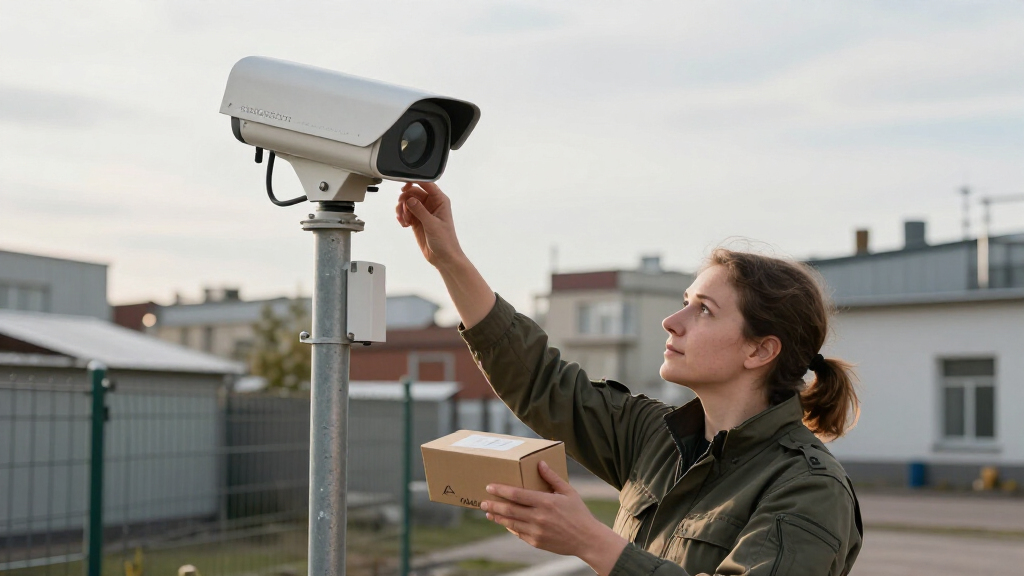

TL;DR
Russian companies are adopting multiple measures to defend against drone incursions, reflecting increased concern over drone threats. The specific technologies and effectiveness are still unconfirmed, but the trend signals a focus on drone defense strategies.
Russian companies are increasingly deploying counter-drone measures to defend their facilities and assets, amid rising concerns over drone threats, though details on the specific technologies remain unconfirmed.

Get your next haul delivered free with Prime
- Fast, free delivery on millions of items
- Prime Video, Amazon Music and more included
- Member-only deals all year
Market reports indicate a surge in coverage and interest regarding how Russian firms are responding to drone threats. While concrete details about the exact countermeasures—such as electronic warfare systems, jamming devices, or physical defenses—are not publicly confirmed, industry sources suggest a broad shift towards integrated drone defense strategies.
Some reports point to the adoption of electronic countermeasures designed to disrupt or disable hostile drones, alongside physical barriers and detection systems. However, official statements from companies or government agencies have not yet disclosed specific technologies or deployment levels, leaving the full scope of these efforts unclear.
This trend appears driven by increased drone activity in conflict zones and strategic areas, prompting firms to bolster their defenses against potential sabotage, espionage, or attack. The lack of confirmed details highlights the secretive nature of these systems, which are often classified or sensitive in nature.
Implications of Russian Counter-Drone Measures for Security
The deployment of counter-drone technologies by Russian companies signals a significant shift in security tactics in response to the growing threat of drone-based attacks and surveillance. This trend reflects broader concerns about the vulnerability of critical infrastructure and strategic assets to drone incursions, especially amid ongoing geopolitical tensions.
Understanding how these measures develop could impact global defense strategies, as other nations observe and potentially adopt similar technologies. The secretive nature of these efforts also underscores the increasing importance of drone defense as a key component of modern security infrastructure, with potential implications for civilian and military applications worldwide.
Products Worth Considering

Arlo Pro Wireless Security Camera, 2K HDR, 6th Gen, 4-Camera System

Bose TV Speaker Compact Soundbar with Bluetooth and HDMI-ARC, Black

Levoit Vital 100S-P Air Purifier for Home and Pets
As an affiliate, we earn on qualifying purchases.
Growing Focus on Drone Defense in Russia
Interest in drone defense strategies in Russia has been rising, especially amid heightened geopolitical tensions and conflicts where drones have been used for reconnaissance, sabotage, or attack. Historically, drone threats have been associated with military conflicts, but recent trends show increasing concerns over their use in industrial espionage, sabotage, and even terrorism targeting civilian infrastructure.
While specific initiatives by Russian companies are not publicly detailed, the trend aligns with global efforts to develop counter-drone systems, including electronic warfare, radar detection, and physical barriers. The interest spike is also fueled by the broader geopolitical climate, with reports of increased drone activity in conflict zones involving Russia and its allies, though these reports are often unconfirmed or speculative.
Industry analysts note that the secretive nature of these defense measures makes precise assessment difficult, but the trend indicates a strategic focus on mitigating drone threats in both civilian and military contexts.
Unconfirmed Details on Specific Technologies Used
It remains unclear which specific counter-drone technologies Russian companies are deploying, such as whether they are primarily electronic jamming systems, laser defenses, or physical barriers. The lack of official disclosures and the classified nature of these systems mean that the full scope and effectiveness are not publicly confirmed.
Additionally, it is uncertain how widespread or advanced these measures are, and whether they are primarily used for military, industrial, or civilian infrastructure protection. The true impact and operational success of these measures are still under evaluation, with no independent verification available.
Monitoring Developments in Russian Drone Defense
Further investigation and intelligence gathering are expected to clarify which specific systems are being deployed and their operational effectiveness. Industry analysts anticipate that as drone threats continue to grow, more details may emerge through defense industry reports or leaks, although official confirmation remains unlikely in the near term.
Meanwhile, other countries are likely to observe Russia’s approach and may adopt similar counter-drone strategies, influencing global security practices. Ongoing conflicts and incidents involving drones will also shape the evolution and deployment of these defense systems.
Key Questions
What types of counter-drone technologies are Russian companies using?
Specific details are unconfirmed, but reports suggest a mix of electronic warfare, jamming devices, and physical barriers. The full scope remains classified.
Are these measures effective against all drone types?
It is not yet clear how effective these systems are across different drone models or in various operational environments, as official data is unavailable.
Is this trend unique to Russia?
No, many countries are developing counter-drone systems, but Russia’s focus appears to be increasing due to specific regional threats and conflicts.
Could these defenses impact civilian drone use?
Potentially, if deployed broadly, but current reports focus on strategic and industrial applications, with civilian impacts still uncertain.
What are the implications for global security?
The development of advanced drone defenses could lead to an arms race in drone technology and countermeasures, affecting both military and civilian security strategies worldwide.
Source: rss