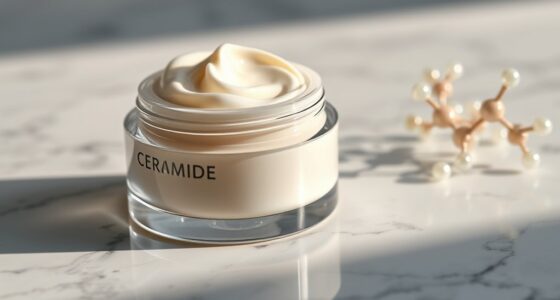
To repair your skin barrier, focus on products containing ceramides, cholesterol, and fatty acids, as these lipids mimic your skin’s natural structure. They help lock in moisture, protect against pollutants, and heal damage from dryness or irritation. Using formulations with these ingredients can strengthen your outer skin layer and boost resilience. Keep an eye on your skin’s response and explore more ways to support your barrier health for better, more comfortable skin.
Key Takeaways
- Ceramides, cholesterol, and fatty acids are essential lipids that mimic natural skin, strengthening and repairing the skin barrier.
- These lipids help retain moisture, prevent water loss, and protect against environmental damage.
- Incorporating products with these ingredients supports skin resilience and accelerates barrier healing.
- Patch testing is recommended when introducing new formulations containing these key lipids to avoid sensitivities.
- Consistent use and environmental care are vital for effective barrier repair and maintaining healthy skin.
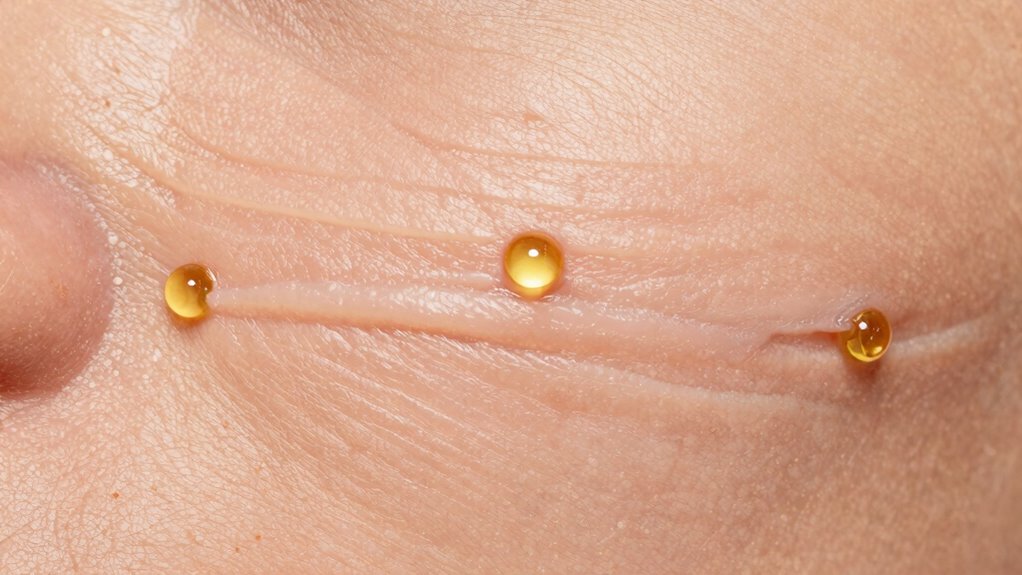
Your skin barrier is your first line of defense against environmental damage, pollutants, and bacteria. When this barrier is compromised, you might notice increased dryness, redness, or irritation. To protect and repair it, understanding the role of key ingredients like ceramides, cholesterol, and fatty acids is vital. These lipids are fundamental building blocks of your skin’s outermost layer, helping to restore its integrity and prevent further damage. Incorporating products that contain these ingredients can greatly improve skin resilience, but it’s equally important to be cautious about ingredient sensitivity. Before trying a new product, especially if you have sensitive skin, performing a patch test is a wise step. Applying a small amount of the product on your inner wrist or behind your ear allows you to observe any adverse reactions, such as redness or irritation, before applying it more broadly. This simple test helps you avoid potential allergic reactions or ingredient sensitivities that could further damage your skin barrier.
When selecting skincare products aimed at repairing your skin barrier, look for formulations rich in ceramides, cholesterol, and fatty acids. These lipids mimic the natural composition of your skin, reinforcing its structure and improving hydration. Ceramides, in particular, play an essential role in maintaining the skin’s moisture barrier, preventing water loss, and keeping irritants out. Cholesterol helps to fill in gaps between these lipids, ensuring a tight, cohesive barrier. Fatty acids, such as linoleic and linolenic acids, contribute to the replenishment of essential fats that your skin needs to function effectively. Together, these ingredients work synergistically to heal damaged skin and restore its protective function. However, some people may have ingredient sensitivities, which can lead to irritation or inflammation if their skin reacts negatively to certain components. That’s why patch testing is vital, especially if you’re introducing a new product into your routine or have a history of sensitive skin.
Furthermore, understanding your skin’s unique responses can help you customize your skincare routine successfully. If you notice persistent redness, itching, or discomfort after using a product, discontinue use immediately and consult with a dermatologist. They can help identify any ingredient sensitivities and recommend suitable alternatives. Also, maintaining environmental controls such as proper ventilation and avoiding excessive exposure to harsh conditions can support barrier repair. Remember, repairing your skin barrier isn’t an overnight process—it requires consistent care and attention to how your skin reacts. By choosing products with ceramides, cholesterol, and fatty acids, and always performing patch tests first, you give your skin the best chance to rebuild its defenses and stay healthy. Taking these precautions ensures you protect your skin from further damage while promoting a stronger, more resilient barrier over time.

Philips Norelco Shaver 3900 Series, Wet and Dry Electric Shaver, P-Cap, Travel Pouch, Charging Stand, Storm Blue, Model S3341/92
SkinProtect Technology: Achieve a clean, gentle shave with 5D pivot contour and AntiCorrosion Shaving System
As an affiliate, we earn on qualifying purchases.
Frequently Asked Questions
How Long Does It Take to See Results From Skin Barrier Repair?
You can typically see results from skin barrier repair within two to four weeks. As your skin undergoes renewal, you’ll notice improved hydration, reduced irritation, and smoother texture. To maximize product efficacy, use consistently and follow a proper skincare routine. Keep in mind, individual factors like skin type and severity of damage can influence how quickly you see these improvements. Patience and consistency are key to restoring your skin’s health.
Can Dietary Changes Improve Skin Barrier Function?
Yes, dietary adjustments can improve your skin barrier function. Eating nutrient-rich foods and incorporating nutritional supplements like omega-3 fatty acids, vitamins A, C, and E support skin health. These nutrients help strengthen your skin’s protective layer, reducing dryness and irritation. Consistently making these changes can lead to noticeable improvements over time, often within a few weeks. Stay committed, and you’ll likely see healthier, more resilient skin as your diet nourishes your barrier.
Are Natural Remedies Effective for Skin Barrier Repair?
Natural remedies can be surprisingly effective, like a gentle rain soothing cracked soil. Herbal infusions and home remedies often contain antioxidants and anti-inflammatory compounds that help restore your skin’s barrier. Though they may not work overnight, consistent use can strengthen your skin, making it more resilient against environmental stressors. So, don’t dismiss these natural options—they might just be your skin’s best allies in the fight for repair.
How Do Climate Changes Impact Skin Barrier Health?
Climate changes can challenge your skin barrier by affecting its weather resilience. Sudden shifts in temperature, humidity, and exposure to harsh elements force your skin to adapt quickly, often leading to dryness, irritation, or sensitivity. To boost your climate adaptation, use barrier-repairing products with ceramides, cholesterol, and fatty acids. These help strengthen your skin’s natural defenses, ensuring it stays resilient and healthy despite unpredictable weather conditions.
Is It Safe to Use Multiple Barrier Repair Products Simultaneously?
Using multiple barrier repair products is generally safe if you check product compatibility and ingredient interactions. For example, combining a ceramide-rich moisturizer with a gentle lipid serum can enhance your skin’s barrier. However, avoid layering products with potentially irritating ingredients like acids or alcohols. Always patch-test new products and consult a dermatologist if unsure, to prevent adverse reactions and assure your skin benefits from each product.
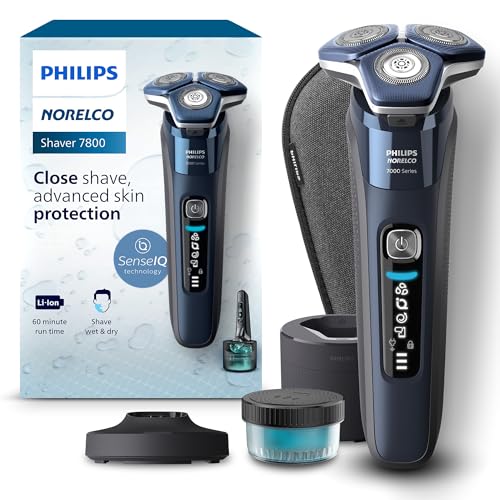
Philips Norelco Shaver 7800, Rechargeable Wet & Dry Electric Shaver with SenseIQ Technology, Quick Clean Pod, Charging Stand, Travel Case and Pop-up Trimmer, S7885/85
Made of up to 250,000 micro-tech beads per square cm, Nano SkinGlide coating improves gliding on skin by...
As an affiliate, we earn on qualifying purchases.
Conclusion
To keep your skin healthy and resilient, focus on repairing your barrier with ceramides, cholesterol, and fatty acids. Think of it like tending to a vintage car—you need the right parts and regular care to keep it running smoothly. Ignore the damage, and your skin might turn into a pixelated mess, like an old video game glitch. So, nourish and protect your skin daily, and you’ll be cruising through life with a radiant, fortified glow.

Braun Electric Shaver for Men, Series 5 5150cs, Wet & Dry Razor, Turbo Shaving Mode, Foil Shaver, with Beard Trimmer, Body Groomer and Charging Stand, Blue
World's #1 Foil Shaver Brand. The perfect holiday gift.
As an affiliate, we earn on qualifying purchases.
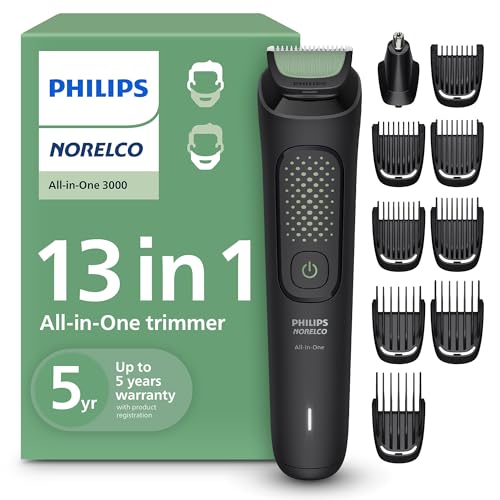
Philips Norelco All-in-One 3000 Series 13 in 1 Trimmer, Beard Styler & Men's Hair Clipper, 9 Length Settings & Self-Sharpening Skin-Friendly Blades, MG3919/50
SKIN-FRIENDLY COMFORT BLADES provide a quick, comfortable trim thanks to unique blade technology with rounded tips that are...
As an affiliate, we earn on qualifying purchases.