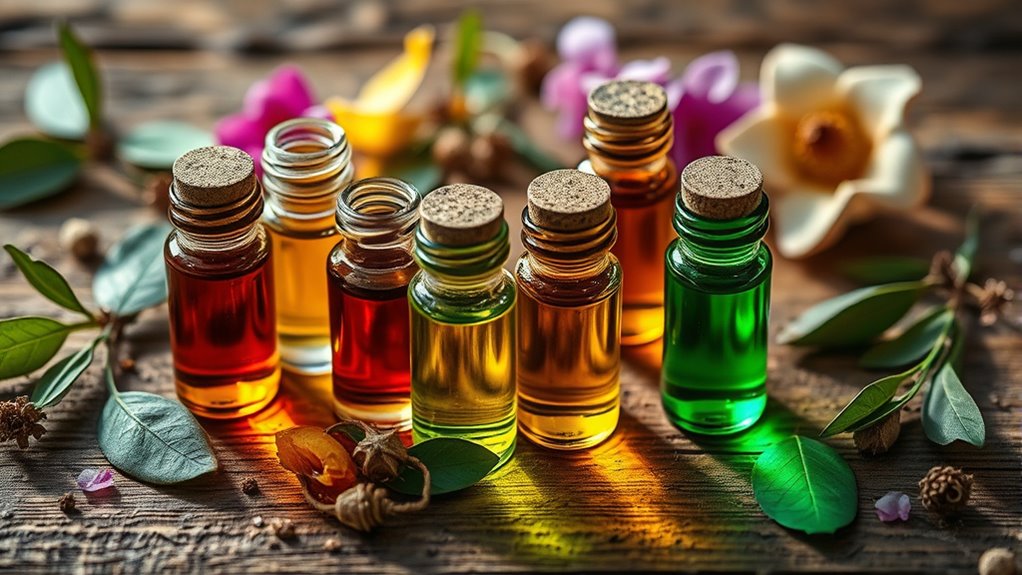
Rare botanical oils offer powerful benefits like unique antioxidants, anti-inflammatory properties, and skin renewal effects. However, their limits include high costs, limited availability, and potential purity issues depending on extraction methods. Some oils may also pose allergen risks or be difficult to source sustainably. Understanding these factors helps you make safer, more eco-friendly choices, and if you keep exploring, you’ll find even more insights into their true potential and limitations.

Get your next haul delivered free with Prime
- Fast, free delivery on millions of items
- Prime Video, Amazon Music and more included
- Member-only deals all year
Key Takeaways
- Rare botanical oils often contain unique compounds offering specialized skin and health benefits.
- Extraction methods influence the purity, potency, and safety of rare oils, impacting their effectiveness.
- Limited availability and sustainable sourcing are crucial considerations to prevent ecological harm and ensure quality.
- Some rare oils may pose allergen risks or require cautious use due to concentrated bioactive components.
- Responsible sourcing and eco-friendly extraction techniques enhance the benefits and minimize environmental limits.
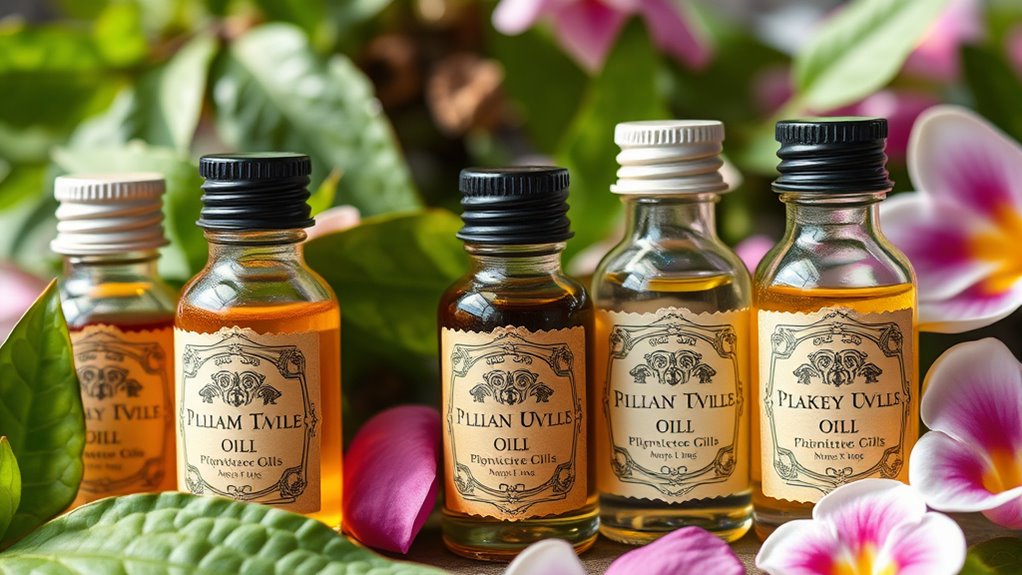
Have you ever wondered how natural plant extracts can enhance your health and beauty routines? When it comes to botanical oils, the way these oils are extracted plays a *pivotal* role in determining their quality, purity, and sustainability. Extraction methods vary widely, from cold pressing and steam distillation to solvent extraction and supercritical CO2 extraction. Cold pressing is often preferred for delicate oils like argan or jojoba because it preserves the natural nutrients without introducing chemicals. Steam distillation is commonly used for essential oils like lavender or peppermint, using heat and water vapor to separate the aromatic compounds. Solvent extraction involves using chemicals such as hexane to obtain oils from plant materials, but it can leave residues that affect purity. Supercritical CO2 extraction, a newer technique, uses carbon dioxide at high pressure and temperature, offering a cleaner, more environmentally friendly process that preserves delicate compounds without toxic solvents. Understanding these methods helps you choose oils that are both effective and safe. Additionally, awareness of how seed allergies may influence the safety of botanical oils is important for sensitive individuals. Environmental impact is another *essential* consideration when selecting rare botanical oils. Some extraction techniques, like solvent extraction, can have significant environmental footprints due to the chemicals involved and the energy consumption required. Unsustainable harvesting of rare plants can also threaten biodiversity, especially when species are overharvested or collected from fragile ecosystems. For example, sourcing oils from plants like sandalwood or certain orchids raises concerns about habitat destruction and illegal harvesting practices. On the other hand, sustainable practices such as organic farming, wildcrafting with respect for ecosystems, and supporting fair-trade certifications help minimize ecological damage. Additionally, some companies employ eco-friendly extraction methods like supercritical CO2, which reduces harmful waste and energy use. When you’re choosing botanical oils, it’s worth researching the sourcing and extraction practices to *guarantee* they align with environmentally responsible standards. Not only does this help protect the planet, but it also *assures* that you’re getting a product that’s genuinely pure and ethically produced.
Products Worth Considering

Roborock RockNeo Q110H Wire-Free Robot Lawn Mower

Sonos Era 100 SL Compact Microphone-Free Speaker, Black

Roborock Robot Vacuum and Mop with LiDAR Navigation and 10,000 Pa Suction
As an affiliate, we earn on qualifying purchases.
Frequently Asked Questions
How Are Rare Botanical Oils Sustainably Harvested?
You can guarantee rare botanical oils are sustainably harvested by supporting brands that prioritize ethical sourcing and sustainable harvesting practices. This involves working closely with local communities, using methods that don’t deplete plant populations or damage ecosystems. These practices include selective harvesting, harvesting at the right time, and avoiding over-collection. By choosing ethically sourced oils, you help preserve plant species and promote environmental balance while enjoying the benefits of these precious oils.
Are There Any Known Allergies Linked to Rare Botanical Oils?
Allergy alerts are possible with rare botanical oils. You should always conduct allergy testing before using them, as plant sensitivity varies. Some oils may trigger reactions like redness, itching, or swelling. It’s wise to watch for warning signs and consult a dermatologist if you notice symptoms. While rare oils boast benefits, understanding potential allergic responses helps you enjoy their advantages safely and securely.
Can Rare Botanical Oils Replace Synthetic Skincare Products?
You can use rare botanical oils as natural alternatives to synthetic skincare products, but they might not always match the skincare efficacy of synthetics. While they offer benefits like nourishment and antioxidants, they may lack the consistency and targeted effects of synthetic alternatives. Consider your skin type and goals, and possibly combine both for ideal results. Always patch-test new oils to avoid allergic reactions, ensuring safe and effective skincare.
What Is the Shelf Life of These Rare Oils?
Imagine you buy a bottle of rare rosehip oil; with proper storage duration and preservation methods, it can last up to 12 to 24 months. If you keep it in a cool, dark place and use airtight containers, it stays fresh longer. Without these precautions, the oils may oxidize faster, reducing their benefits. So, always follow storage guidelines to maximize shelf life and maintain their nourishing properties.
Are Rare Botanical Oils Suitable for All Skin Types?
Rare botanical oils can be suitable for many skin types, but you should always verify skin compatibility first. These oils often have potent properties, so usage precautions are important to avoid irritation, especially if you have sensitive skin. Conduct a patch test before regular use, and consult a dermatologist if you’re unsure. Proper application ensures you enjoy their benefits safely and effectively, tailored to your skin’s needs.
Conclusion
While rare botanical oils offer incredible benefits, they’re not a cure-all and come with limitations. It’s important to do your research and use them wisely, understanding that no single oil can solve every concern. Think of these oils as a cherry on top rather than the whole cake; they enhance your routine but don’t replace a balanced approach. Keep your expectations realistic, and you’ll truly get the most out of their natural magic.