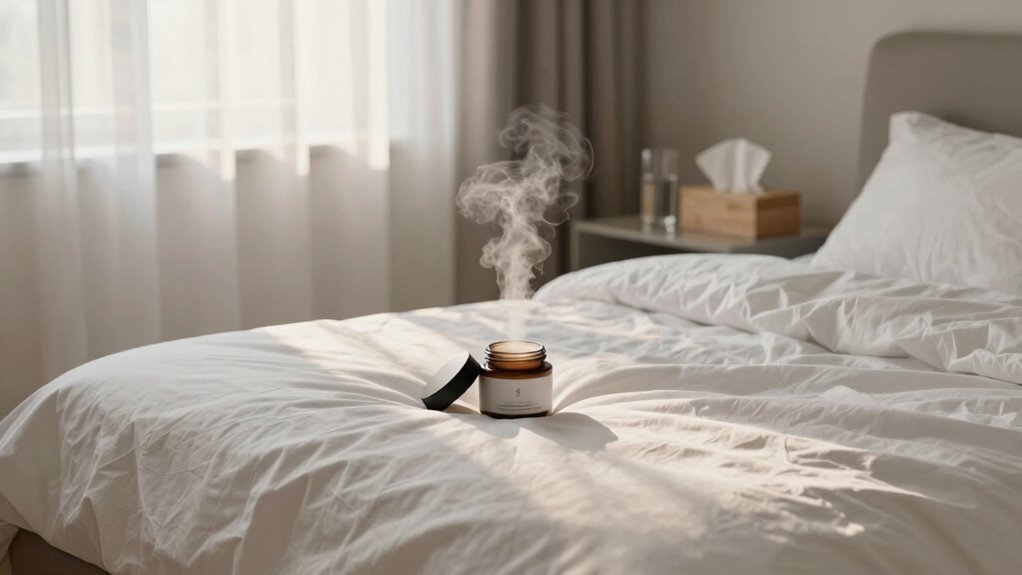

To avoid waking up congested, choose lightweight, non-comedogenic overnight products that absorb well and don’t clog pores or migrate into sinuses. Apply with clean hands and make certain you don’t transfer greasy or heavy formulas to your face or neck. Keep your sleeping environment clean and maintain good hygiene to reduce dust and allergens. Being aware of ingredient choices and adjusting your routine based on your skin’s reaction can make a big difference—discover more tips to keep your mornings clear.

Get your next haul delivered free with Prime
- Fast, free delivery on millions of items
- Prime Video, Amazon Music and more included
- Member-only deals all year
Key Takeaways
- Choose lightweight, non-comedogenic overnight products that absorb quickly and leave minimal residue.
- Apply products with clean hands and avoid transferring oils or creams into sinuses during sleep.
- Use products formulated for sensitive skin, free of fragrances or irritating ingredients.
- Maintain a clean sleeping environment, including regular bedding and air purifiers, to reduce dust and allergens.
- Monitor your skin’s response and adjust your routine to prevent congestion or irritation.

If you notice a pattern where you wake up stuffy after using a particular product, check the ingredient list. Opt for products labeled hypoallergenic, fragrance-free, or designed specifically for sensitive skin. Ingredients like hyaluronic acid, ceramides, or soothing botanical extracts tend to be gentler and less likely to cause irritation. Additionally, product formulation can influence how likely a product is to cause congestion; lighter, non-comedogenic formulas are often better suited for overnight use. Incorporating proper product selection can further help reduce irritation and congestion risks. It’s also helpful to monitor how your skin responds over time and adjust your routine accordingly.
Another tip is to think about the formulation of the products you’re using. Creams and oils with heavier textures might be more likely to clog your pores or cause nasal congestion if they migrate into your sinuses while you sleep. Instead, try lighter, non-comedogenic formulas that absorb quickly and don’t leave a greasy residue. If you’re using overnight products on your face or neck, make sure to wash your hands afterward to prevent accidental transfer to your nose or mouth during sleep. Additionally, maintaining good bedroom hygiene can help minimize dust and allergen buildup, which can compound congestion issues caused by your skincare routine. Incorporating sleep environment adjustments, like reducing dust or using air purifiers, can also help minimize congestion. Being aware of product ingredients and their effects can help you choose suitable products and avoid problematic ones. When you’re mindful of what you’re putting on your skin and how you’re using it, you increase your chances of waking up refreshed, not congested.
Products Worth Considering

Levoit Core 400S-P Smart Air Purifier for Large Rooms

BLUEAIR Mini Restful Air Purifier with Sunrise Alarm Clock and Nightlight

Sonos Era 100 SL Compact Microphone-Free Speaker, Black
As an affiliate, we earn on qualifying purchases.
Frequently Asked Questions
Can Overnight Products Cause Long-Term Nasal Congestion?
Overnight products can cause long-term nasal congestion if you use them improperly, especially if you develop medication dependency. Overuse might lead to nasal tissue damage, which worsens congestion over time. To avoid this, follow your healthcare provider’s instructions, limit use to recommended periods, and avoid prolonged use of decongestant sprays. Recognizing the signs early helps prevent dependency and tissue damage, ensuring your nasal health stays intact.
Are There Natural Alternatives to Overnight Nasal Products?
Yes, there are natural alternatives to overnight nasal products. You can try herbal remedies like steam inhalation with eucalyptus or peppermint oils, which help open nasal passages. Aromatherapy scents such as lavender or chamomile can promote relaxation and improve breathing. Using a humidifier also adds moisture to the air, reducing congestion. These options are gentle and effective, helping you breathe easier without the risk of long-term congestion caused by synthetic products.
How Often Should I Use Overnight Congestion Relief Products?
To keep congestion controlled, follow recommended usage frequency for your product. Generally, use overnight congestion relief products sparingly—usually no more than once or twice a night—unless your healthcare provider advises otherwise. Prioritize product safety by adhering to instructions and avoiding overuse, which can cause rebound congestion. Consistent caution guarantees you avoid dependency, discomfort, or deterioration, helping you breathe better while maintaining your health and harmony throughout the night.
Do Certain Sleep Positions Reduce Congestion Risks?
Yes, your sleep position can reduce congestion risk. Sleeping on your side or elevating your head with an extra pillow helps mucus drain and keeps nasal passages open. Avoid sleeping on your back, which can cause gravity to worsen congestion. By choosing a semi-upright or side-sleeping position, you promote better airflow, decrease congestion, and wake up feeling more refreshed. Adjust your sleep habits for a less congested morning.
Can Allergies Worsen When Using Overnight Nasal Products?
Allergies can worsen when you use overnight nasal products if you’re sensitive to certain ingredients. Think of nasal sprays as double-edged swords—while they clear congestion, they might also trigger allergy symptoms if they contain allergens or irritants. Your allergy triggers and nasal sensitivities play a big role, so choose hypoallergenic options and consult your doctor if you notice increased congestion or irritation. Proper product selection helps keep your nights restful, not miserable.
Conclusion
By following these tips, you can enjoy the benefits of overnight products without waking up congested. It’s helpful to choose the right products, apply them correctly, and maintain good sleep hygiene. Did you know that around 30% of adults experience nasal congestion at night? This shows how common nighttime congestion is — but with proper product use, you can improve your sleep quality and breathe easier all night long.