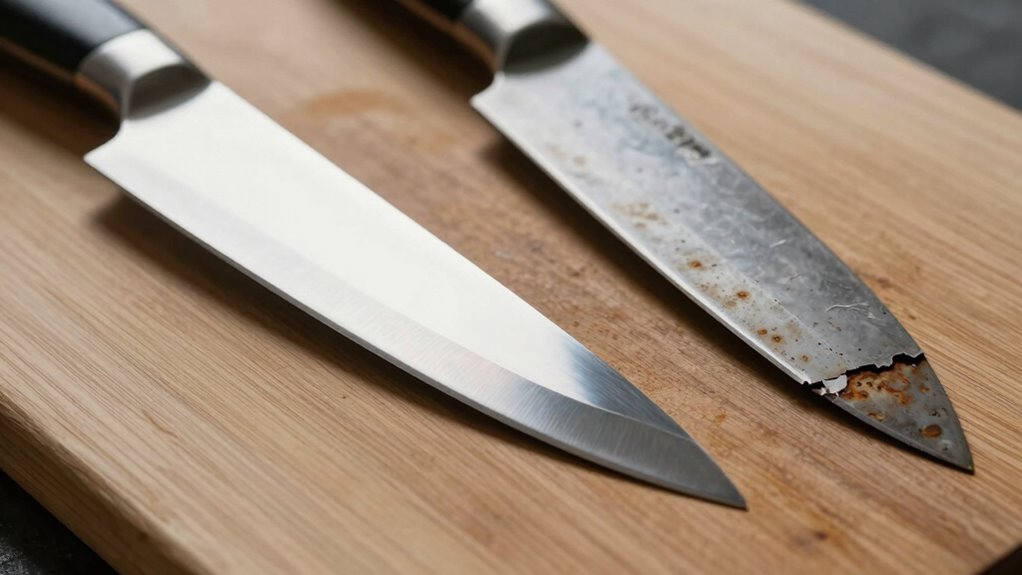

Sharp tools often feel safer because they require less force to cut or shape materials, giving you better control and reducing the chance of slips. When tools are dull, you have to apply more pressure, which increases the risk of accidents and mishandling. Well-maintained, sharp tools help you work confidently and precisely, lowering the likelihood of injuries. Want to discover how proper tool care can boost safety even more? Keep going to learn the full benefits.

Get your next haul delivered free with Prime
- Fast, free delivery on millions of items
- Prime Video, Amazon Music and more included
- Member-only deals all year
Key Takeaways
- Sharp tools require less force, reducing the risk of slips and accidental injuries during use.
- They provide better control, helping users make precise cuts and avoid mishaps.
- Well-maintained, sharp tools respond predictably, increasing confidence and safety.
- Dull tools can chip or slip unexpectedly, posing higher safety hazards.
- Using sharp tools minimizes the need for excessive force, decreasing fatigue and accident likelihood.

Many people assume that dull tools are safer because they’re less likely to cut or cause injury. However, this misconception can be dangerous. When tools are dull, you often need to apply more force to accomplish your task, which increases the risk of slips and accidents. A sharp tool, on the other hand, slices smoothly through materials, giving you better control. This improved control fosters user confidence, making you feel more secure as you work. When you trust your tools to perform as expected, you’re less likely to rush or make careless mistakes, which can lead to injuries. Regular tool maintenance is essential for keeping tools safe and effective. tool maintenance plays an essential role here. Regularly sharpening and caring for your tools ensures they stay effective and safe to use. Dull blades or worn-out equipment require extra force, which can lead to mishandling. A well-maintained tool responds predictably, allowing you to focus on the task rather than fighting against a dull edge. Taking a few minutes to sharpen your tools not only prolongs their lifespan but also enhances your overall safety. Proper tool maintenance keeps them in prime condition, reducing the likelihood of accidents caused by unexpected slips or breakage. Additionally, proper storage of your tools can prevent damage and ensure they remain in optimal condition, further supporting safe use.
Dull tools increase risk; sharp, well-maintained tools improve control, confidence, and safety during your work.
Maintaining your tools properly also helps to prevent corrosion, which can weaken the integrity of blades and other parts, making them more prone to breakage and accidents. Your confidence in using tools directly impacts how safely you work. When your tools are sharp and well-maintained, you naturally feel more in control. This confidence encourages careful, deliberate movements instead of rushed or forceful actions. Conversely, dull tools can chip or slip unexpectedly, shaking your confidence and tempting you to apply more pressure, which increases danger. Regular inspection of your tools can help identify issues early and prevent potential failures during use. When you invest time in maintaining your tools, you establish a habit that boosts your morale and safety. This sense of familiarity and reliability makes it easier to focus on your work, minimizing mistakes and accidents.
Furthermore, understanding the proper tools for specific tasks can significantly enhance safety and efficiency. In essence, sharp tools are safer not just because they cut better but because they improve your control and confidence. Proper tool maintenance ensures your equipment remains sharp and functional, reducing the need for excessive force. When you’re confident in your tools’ performance, you work more thoughtfully and carefully. This combination of sharpness, maintenance, and confidence creates a safer environment, where accidents are less likely to happen. So, instead of dismissing dull tools as safer, recognize that keeping your tools sharp and well-maintained is key to working efficiently and safely. Ultimately, sharp tools empower you to work smarter, not harder, and help you avoid unnecessary injuries.
professional knife sharpening kit
As an affiliate, we earn on qualifying purchases.
As an affiliate, we earn on qualifying purchases.
Frequently Asked Questions
Can Dull Tools Cause More Accidents Than Sharp Ones?
Dull tools can cause more accidents than sharp ones because they require more force, increasing the chance of slips and loss of control. This heightened accident risk makes dull tools seem safer initially, but they actually compromise safety. Your perception of safety can be misleading—thinking a dull tool is safer might lead you to take risks. Always keep tools sharp and well-maintained to reduce accident risk and improve safety perception.
How Does Tool Maintenance Affect Safety?
Proper tool maintenance is essential for safety because it guarantees ergonomic design and material durability. When you regularly inspect and sharpen tools, they perform better, reducing the risk of slips or accidents. Well-maintained tools also last longer, preventing the hazards of broken parts. By keeping your tools in top condition, you create a safer work environment, allowing you to work confidently and efficiently without unnecessary injury risks.
Are There Safety Benefits to Using Specialized Cutting Tools?
Using specialized cutting tools offers safety benefits you can’t ignore. Their design enhances tool ergonomics, reducing fatigue and the risk of slips. Plus, these tools often symbolize precision and professionalism, encouraging careful handling. When you rely on the right tool for the job, you feel a confident grip, like a secret weapon in your hand. This sense of control and purpose transforms a simple task into a safer, more efficient experience.
What Safety Precautions Should Be Taken With Dull Tools?
When working with dull tools, always wear protective gear like gloves and goggles to prevent injuries from slips or unexpected tool behavior. Guarantee proper storage of your tools to keep blades covered and reduce the risk of accidental contact. Regularly sharpen or replace dull tools to maintain safety and efficiency. Taking these precautions helps prevent accidents, minimizes frustration, and keeps your workspace safer for everyone.
How Does User Experience Influence Tool Safety Perceptions?
Sure, because who doesn’t trust their instincts, right? Your experience shapes how safe you feel, especially with ergonomic design that practically whispers, “Go ahead, cut away.” When you’re confident, you handle tools more skillfully, reducing accidents. But beware—overconfidence can turn a sharp tool into a reckless weapon. Your familiarity breeds safety, so trust your skills, respect the tool, and remember: experience isn’t just a number, it’s your safety net.
tool maintenance and sharpening tools
As an affiliate, we earn on qualifying purchases.
As an affiliate, we earn on qualifying purchases.
Conclusion
In the end, choosing a sharp tool over a dull one isn’t just about efficiency—it’s about embracing a safer, more confident approach. While the allure of a dull blade might seem tempting to avoid the initial effort, it often invites unintended mishaps. Remember, a finely honed edge guides your hand with grace, subtly steering you away from trouble and towards mastery. fundamentally, sharpness gently whispers that safety and skill go hand in hand.
As an affiliate, we earn on qualifying purchases.
As an affiliate, we earn on qualifying purchases.
Halloween Picks
halloween
As an affiliate, we earn on qualifying purchases.