

To stay safe every time you use your mandoline, inspect the blade for dullness or nicks and keep it sharp for cleaner cuts and safer handling. Always wear cut-resistant gloves and disconnect the device before cleaning or sharpening. Store the mandoline securely with a blade cover, out of reach of children, and avoid cluttered drawers. Regularly check safety features and stick to a routine of cleaning, drying, and storing properly—continue on for more tips to keep injuries at bay.
Key Takeaways
- Always disconnect the mandoline and wear cut-resistant gloves before cleaning or sharpening the blade.
- Handle blades carefully and store them securely in a protective cover or designated storage area.
- Regularly inspect blades for dullness or damage, and sharpen or replace them as needed for safe operation.
- Use safety features like built-in locks or covers whenever available to prevent accidental contact.
- Maintain a routine of cleaning, drying, and storing the mandoline properly after each use to ensure safety and longevity.
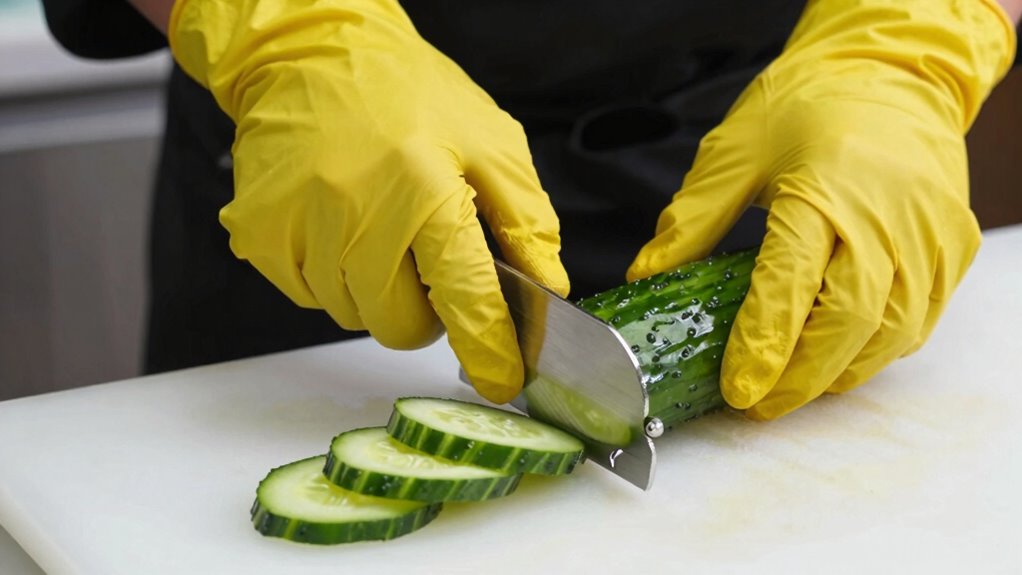
Have you ever underestimated the danger of a mandoline slicer? Many people assume it’s a simple kitchen tool, but its sharp blade can cause serious injuries if not handled properly. To stay safe, you need to develop a routine that emphasizes blade maintenance and storage safety. Regularly inspecting your mandoline’s blade is essential. Over time, blades can become dull or nicked, increasing the risk of slips and cuts during use. Keep the blade sharp by following the manufacturer’s instructions for proper maintenance. A well-maintained blade slices cleanly and reduces the odds of slipping, making your task safer and more efficient. When cleaning or sharpening the blade, always disconnect the mandoline from power (if it’s electric) and wear cut-resistant gloves. Never leave the blade exposed or loose when not in use. Proper storage safety is just as critical. Store your mandoline in a secure place where it can’t be accidentally grabbed or knocked off a counter. Many people overlook this step, but it’s essential for preventing accidental cuts, especially if you have children or guests in the kitchen. Use a blade cover or protective sheath if your model comes with one, and always keep it out of reach of children. When storing, ensure the blade is dry and free of food residue, which can cause corrosion or make handling unsafe later. If your mandoline doesn’t have a built-in safety lock or cover, consider investing in one or creating a safe storage solution that keeps the blade concealed. This prevents accidental contact and preserves the sharpness of the blade over time. Remember, a dull or poorly stored mandoline is more dangerous because it increases the likelihood of slips and accidental cuts. Incorporate a regular check into your kitchen routine—every time you finish a session of slicing, clean the blade carefully, dry it thoroughly, and store it securely. This habit not only prolongs the lifespan of your equipment but also keeps you safe. Proper storage and equipment safety are vital in reducing the risk of injury. Never store your mandoline with the blade exposed or in a cluttered drawer where you might reach blindly and cut yourself. Keeping safety at the forefront starts with simple but consistent steps: maintaining your blade properly and storing it securely. Doing so ensures that each use remains safe, efficient, and injury-free. By respecting the power of those sharp edges and taking these precautions seriously, you can enjoy your mandoline’s benefits without risking harm.

Philips Norelco Shaver 3900 Series, Wet and Dry Electric Shaver, P-Cap, Travel Pouch, Charging Stand, Storm Blue, Model S3341/92
SkinProtect Technology: Achieve a clean, gentle shave with 5D pivot contour and AntiCorrosion Shaving System
As an affiliate, we earn on qualifying purchases.
Frequently Asked Questions
Can I Use a Mandoline Without Protective Gloves?
You shouldn’t use a mandoline without protective gloves because safety precautions are vital to prevent cuts. Protective gloves provide a barrier between your fingers and the sharp blades, reducing the risk of injury. Always follow safety precautions, even if you feel confident, to guarantee your hands stay safe while slicing. Wearing gloves is a simple but essential step to avoid accidents and make your food prep safer.
What Should I Do if I Cut Myself?
Think of a cut as a tiny leak in your safety boat. If you cut yourself, immediately stop using the mandoline and apply first aid—clean the wound with water, stop the bleeding with pressure, and cover it with a sterile bandage. Prevention tips are essential, but if injury occurs, taking quick action helps prevent infection. Seek medical attention if the cut is deep or won’t stop bleeding.
Are All Mandolines Equally Safe for Beginners?
Not all mandolines are equally safe for beginners. Look for models with safety precautions like hand guards and non-slip bases, which make them more beginner-friendly. These features help prevent accidents and give you more control while slicing. Always choose a mandoline with clear safety instructions and consider starting with one that has adjustable thickness settings. This way, you can enjoy safer, more confident prep work in the kitchen.
How Often Should I Replace the Blade?
Think of your mandoline blade as a trusted compass guiding your culinary journey. You should replace it when it becomes dull or shows signs of damage, typically every 3 to 6 months with regular use. Proper blade maintenance is essential for safety tips; a sharp blade ensures cleaner cuts and reduces accidents. Always inspect your blade before use, and don’t hesitate to change it for maximum safety and efficiency.
Is Washing Mandoline Parts Dishwasher Safe?
You should check your mandoline’s cleaning guidelines to see if its parts are dishwasher safe. Many mandolines have dishwasher-safe components, which makes cleaning easier and more hygienic. However, some parts, like blades or delicate pieces, might require hand washing to prevent damage. Always follow the manufacturer’s instructions for dishwasher safety to guarantee your mandoline stays in good condition and functions safely every time you use it.
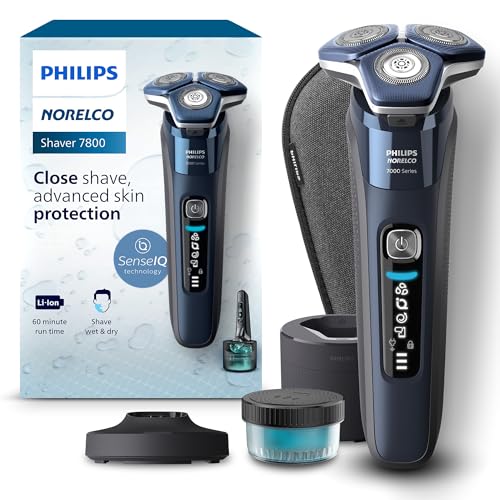
Philips Norelco Shaver 7800, Rechargeable Wet & Dry Electric Shaver with SenseIQ Technology, Quick Clean Pod, Charging Stand, Travel Case and Pop-up Trimmer, S7885/85
Made of up to 250,000 micro-tech beads per square cm, Nano SkinGlide coating improves gliding on skin by...
As an affiliate, we earn on qualifying purchases.
Conclusion
Now that you know the essential safety steps, imagine the moment when an accident nearly happens—what could have been a disaster turns into a reminder. Staying vigilant and following your cut-proof routine isn’t just about avoiding injuries; it’s about protecting what matters most—your hands, your time, your peace of mind. So, are you ready to master the routine and keep danger at bay? One simple step could make all the difference—don’t let safety slip away.

Philips Norelco Shaver 2400 Series, Wet and Dry Electric Shaver, Pop-up Trimmer, P-Cap, Deep Black, Model X3001/90
From the #1 electric shaver brand¹: Shaver 2400 Series gives you a fast, clean shave even on sensitive...
As an affiliate, we earn on qualifying purchases.

Philips Norelco Shaver 3600 Series, Wet and Dry Electric Shaver, P-Cap, Travel Pouch, Storm Blue, Model S3243/91
From the #1 electric shaver brand¹: Shaver 3600 Series gives you a comfortable, clean shave even on sensitive...
As an affiliate, we earn on qualifying purchases.