If you’re choosing between zip-top and vacuum-seal bags for sous vide, consider your cooking needs. Zip-top bags are convenient for quick, small batches, especially when you don’t have a vacuum sealer. Vacuum-seal bags are better for longer cook times, providing a tighter seal and reducing air, which guarantees better heat transfer and food safety. Understanding when to use each type will help you achieve the best results; explore further to find the perfect fit for your dishes.
Listen free for 30 days with Audible
Thousands of audiobooks and originals — cancel anytime.
As an affiliate, we earn on qualifying purchases.
Key Takeaways
- Zip-top bags are suitable for quick, small batches and when a vacuum sealer isn’t available.
- Vacuum-seal bags are ideal for longer cooking times, ensuring a tight seal and maximum contact with water.
- Proper sealing is crucial; zip-top bags require careful manual sealing, while vacuum bags use a vacuum sealer for airtightness.
- Zip-top bags are convenient for easy opening and resealing, but less secure for extended sous vide cooking.
- Choose zip-top for convenience and short cooks; opt for vacuum-seal bags for longer, precise, or stored sous vide preparations.
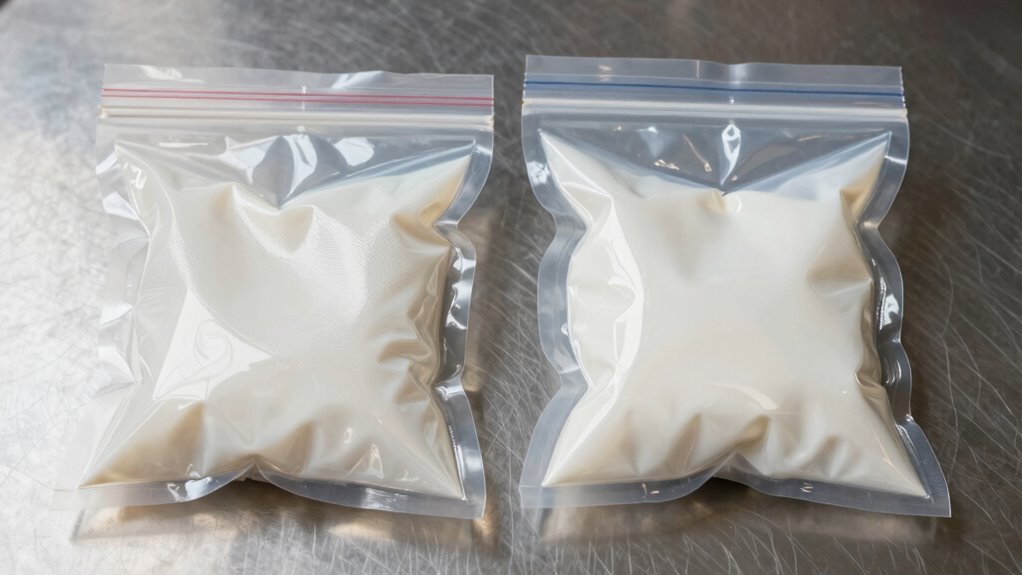
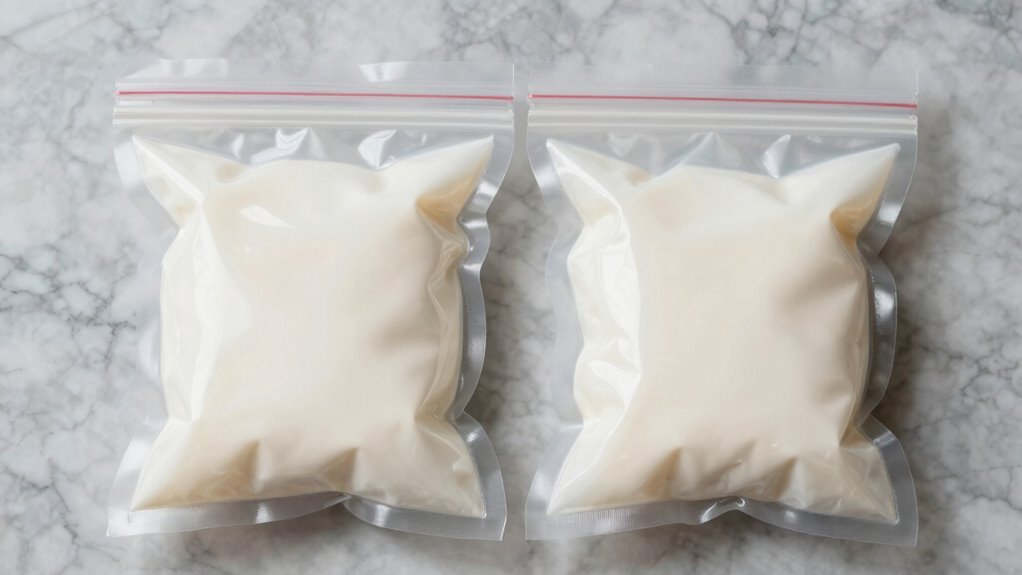
Sous vide bags are essential tools for precise and efficient cooking. When selecting the right bag, you’ll want to pay close attention to the bag material, which should be durable, food-safe, and able to withstand prolonged immersion in water at precise temperatures. High-quality bags are usually made from polyethylene or nylon-based plastics that are specifically designed for sous vide cooking. These materials are flexible yet sturdy, preventing leaks and ensuring your food stays sealed tightly throughout the process. The bag material you choose will influence the sealing techniques you use, so opting for bags with strong, reliable materials is key to avoiding any mishaps during cooking. Selecting the appropriate bag material can also contribute to the overall safety and longevity of your sous vide setup. Sealing techniques are equally important, as they determine whether your food remains vacuum-tight or if air sneaks in, which can compromise the cooking process. For zip-top bags, you’ll want to ensure that you close them slowly and carefully, pressing out as much air as possible before sealing completely. Some zip-lock bags are designed for sous vide use, featuring thicker seals and stronger closures that minimize air pockets. To improve the seal, you can also use the water displacement method: submerge the bag slowly into water, allowing the pressure to push air out of the bag before sealing the top. This technique helps achieve a near-vacuum environment, which is essential for even cooking and preventing floating. Vacuum-seal bags, on the other hand, involve an entirely different sealing technique. With a vacuum sealer, you place your bag inside the machine, which then extracts all the air and seals it tightly using heat. This method creates an airtight environment, which is ideal when you want maximum contact between the food and the water bath. It also offers the advantage of reducing the risk of bag floats or leaks, making it perfect for longer cooking times. When sealing with a vacuum sealer, ensure that the bag’s edges are clean and free of debris, and that the seal is complete and secure. Proper sealing techniques help maintain the integrity of the bag material, ensuring no air gets back in and that your food remains perfectly cooked. Knowing when to use zip-top bags versus vacuum-seal bags depends on your specific needs. Zip-top bags are convenient for quick, small batches, or when you don’t have a vacuum sealer handy. They’re also suitable for foods that don’t require a long cook or maximum contact. Vacuum-seal bags are best when you want a snug fit, longer cooking times, or need to prevent freezer burn if storing food afterward. Whichever method you choose, understanding the importance of the bag material and sealing techniques will help you achieve consistently excellent sous vide results every time.
vacuum sealer for sous vide bags
As an affiliate, we earn on qualifying purchases.
As an affiliate, we earn on qualifying purchases.
Frequently Asked Questions
Are Zip-Top Bags Safe for Cooking at High Temperatures?
Yes, zip-top bags are safe for cooking at high temperatures when you choose food-safe, BPA-free options. They’re convenient, but you must guarantee the material is durable enough to withstand the heat without breaking or leaching chemicals. Always double-check that the bag is rated for sous vide or high-temperature use, and avoid overfilling to prevent leaks. Properly selected zip-top bags can reliably ensure food safety during your sous vide cooking.
How Long Can Sous Vide Bags Be Stored Before Risking Spoilage?
You can store sous vide bags for up to 1-2 days in the refrigerator before risking spoilage, especially if they contain raw or cooked meats. For longer storage, vacuum-sealed bags are better, lasting up to a week or more, while zip-top bags should be used within a few days. Always check for signs of spoilage, like bad odors or discoloration, before cooking or eating.
Can Vacuum-Sealed Bags Be Reused for Sous Vide Cooking?
Yes, you can reuse vacuum-sealed bags for sous vide cooking, but think of them as a garden needing careful tending—reusing reduces environmental impact and extends their life. Always check for wear or tears before reuse, and consider using reusable bags made of durable, food-safe materials. Reusing bags is like planting seeds, nurturing sustainability while enjoying perfectly cooked meals, turning eco-conscious choices into a flavorful act of kindness for the planet.
What’s the Best Way to Prevent Leaks in Zip-Top Sous Vide Bags?
To prevent leaks in zip-top sous vide bags, focus on proper sealing techniques. Guarantee the bag’s zipper is fully closed, pressing out excess air as you seal. Double-check the seal for any gaps or leaks before submerging. You can also consider using a water displacement method, immersing the bag slowly to push out air. These leak prevention tips help keep your food fresh and your water bath uncontaminated.
Are There Specific Foods Better Suited for Zip Versus Vacuum Sealing?
Think of zip-top bags as your go-to for delicate foods like berries or soft cheeses, where gentle handling matters. For foods with a firmer texture, like roasts or steaks, vacuum-sealed bags provide better seal durability and prevent water from seeping in. Using the right bag guarantees your food stays fresh and maintains its desired texture, just like a trusty vintage typewriter keeps your words crisp and clear.
As an affiliate, we earn on qualifying purchases.
Conclusion
Now that you know the differences between zip and vacuum seal bags, the real question is—are you ready to elevate your cooking game? Each bag type offers unique advantages, but the choice could change everything in your sous vide experience. Will you take the leap and try something new, or stick with what you know? The secret to perfect, effortless meals is just a decision away. Are you prepared to access that next level of flavor and texture?
As an affiliate, we earn on qualifying purchases.
As an affiliate, we earn on qualifying purchases.
NFL season / tailgating Picks
team gear
As an affiliate, we earn on qualifying purchases.