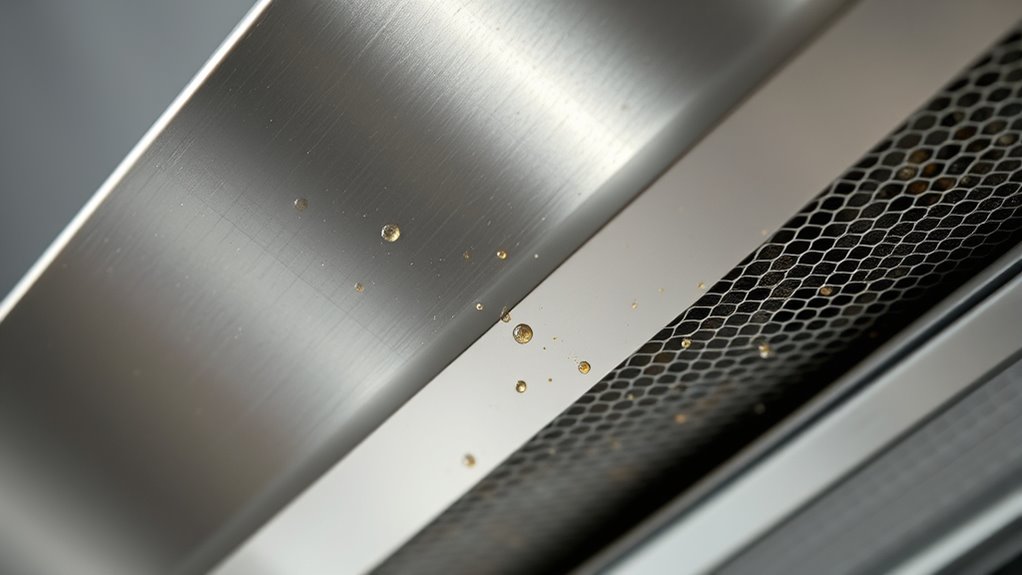

Your range hood filters are crucial grease traps that keep your kitchen air clean and prevent fire hazards. They catch grease, smoke, and odors during cooking, ensuring your ventilation system works efficiently. Regular cleaning and timely replacement of these filters are essential to maintain their effectiveness. Well-maintained filters improve air quality, reduce odors, and extend the life of your range hood. Want to discover the best ways to care for your filters? Continue to find out more.

Get your next haul delivered free with Prime
- Fast, free delivery on millions of items
- Prime Video, Amazon Music and more included
- Member-only deals all year
Key Takeaways
- Range hood filters trap grease, smoke, and odors to keep your kitchen air clean and prevent buildup on surfaces.
- Regular cleaning and timely replacement of filters maintain optimal performance and reduce fire risks.
- Mesh and baffle filters are effective types that capture grease and are easy to clean or dishwasher-safe.
- Neglecting filter maintenance can lead to clogged vents, bad odors, and increased fire hazards.
- Proper filter upkeep extends the lifespan of your range hood and ensures a healthier kitchen environment.
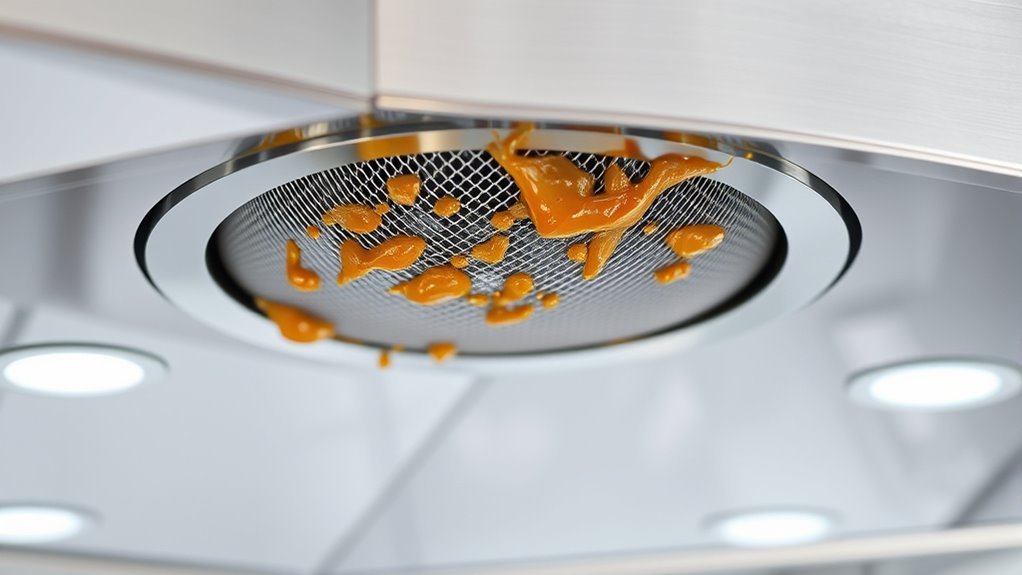
A range hood filter is a essential component that keeps your kitchen air clean by trapping grease, smoke, and odors before they circulate. Without it, your cooking fumes would spread everywhere, settling on cabinets, walls, and even your furniture. A good filter guarantees that your kitchen remains fresh and safe, reducing the buildup of grease that can lead to unpleasant odors and potential fire hazards. When you cook high-fat foods, the filter works tirelessly to catch oil particles, preventing them from coating surfaces and clogging your ventilation system. That’s why regular maintenance and timely replacement are necessary—so your range hood can perform at its best.
A range hood filter keeps your kitchen air clean by trapping grease, smoke, and odors.
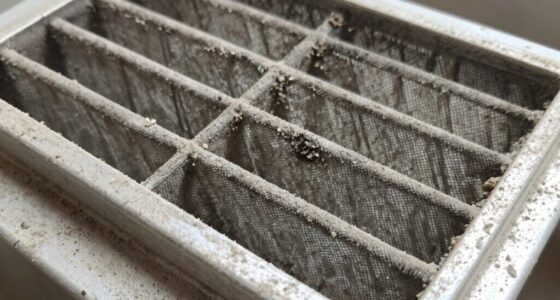
You need to pay attention to the type of filter your range hood uses. Most models come with either mesh filters or baffle filters. Mesh filters are usually made of aluminum or stainless steel with fine screens that trap grease while allowing airflow. They’re easy to remove and clean, making them a popular choice for many kitchens. Baffle filters, on the other hand, feature a series of metal plates that direct air through narrow channels, capturing grease more efficiently. They’re more durable and typically require less frequent cleaning, but they can be a bit pricier. Some high-end range hoods even incorporate charcoal filters, which help eliminate odors, especially if you don’t have external venting.
Cleaning your range hood filter regularly is essential for maintaining kitchen safety and air quality. Grease buildup isn’t just unsightly; it’s a fire risk. When you notice that your filter is covered in grease or looks dull and greasy to the touch, it’s time for a thorough cleaning. For mesh filters, soaking them in warm, soapy water or a degreasing solution usually does the trick. Scrubbing gently with a soft brush helps remove stubborn deposits. Baffle filters often require similar treatment—soaking and rinsing—though some can be cleaned in the dishwasher. After cleaning, make sure they’re completely dry before reinstalling, so mold and bacteria don’t develop. Additionally, understanding the importance of appliance maintenance plans can help ensure your range hood and other appliances stay in good working condition over time.
Replacing your filters on schedule is just as important as cleaning them. Over time, filters lose their effectiveness as grease and debris accumulate, reducing airflow and straining your range hood’s motor. Check your manufacturer’s recommendations for replacement intervals—usually every three to six months, depending on cooking habits. Keeping a stash of spare filters makes the process easier, so you’re never caught off guard. Remember, clean filters improve the efficiency of your range hood, prolong its lifespan, and keep your kitchen healthier. Neglecting this simple maintenance can lead to clogged vents, bad odors, and even fire hazards. So, treat your range hood like a essential part of your kitchen; regular cleaning and timely replacements are the best ways to guarantee it keeps working effectively, protecting your home and your family.
Frequently Asked Questions
How Often Should I Replace My Range Hood Filter?
You should replace your range hood filter every 3 to 6 months, depending on how often you cook. If you notice grease buildup, reduced airflow, or odors lingering, it’s time for a change. Regularly cleaning filters can extend their life, but don’t delay replacing them when they’re visibly dirty or clogged. Keeping up with this maintenance ensures your kitchen stays fresh and your range hood functions efficiently.
Can I Clean Filters Without Removing Them?
Imagine your filter as a sponge soaking up grease and grime. You can clean it without removing it by carefully spraying it with a degreasing cleaner, then gently scrubbing with a soft brush. Rinse thoroughly with warm water while still in place. This keeps your kitchen air fresh without the hassle of removal. Just remember to wear gloves and make sure the filter dries completely before using the hood again.
Are There Eco-Friendly Filter Options Available?
Yes, you can find eco-friendly filter options for your range hood. Look for filters made from sustainable materials like bamboo, recycled metals, or biodegradable components. Some brands offer reusable, washable filters that reduce waste and are better for the environment. By choosing these options, you help minimize your ecological footprint while keeping your kitchen air clean. Always check product labels for eco-friendly certifications to guarantee you’re making a sustainable choice.
What Is the Best Method to Prevent Grease Buildup?
Think of your range hood like a garden hose; if you don’t clean the filter regularly, grease and grime clog the flow. To prevent buildup, clean your grease trap weekly with warm, soapy water, and replace filters as recommended. Using a degreasing spray helps break down stubborn residue. Staying consistent keeps your hood working efficiently, much like maintaining a well-tended garden guarantees healthy growth.
Do Filters Affect the Overall Kitchen Air Quality?
Yes, filters greatly impact your kitchen’s air quality. They trap grease, smoke, and odors before they spread, keeping the air cleaner and healthier. When you regularly clean or replace your filters, you reduce airborne pollutants, preventing lingering smells and improving ventilation. Ignoring filter maintenance can lead to poor air quality, increased indoor pollutants, and even fire hazards. So, stay proactive with your filters to guarantee a fresh, safe cooking environment.
Conclusion
So, next time you’re cooking up a storm, remember those filters aren’t just about cleanliness—they’re your secret weapon against grease buildup. It’s funny how a simple trap can save you so much trouble down the line. Don’t overlook its importance; your kitchen’s health depends on it. Stay vigilant, and those filters will keep your cooking space fresh and worry-free—sometimes, the smallest details make the biggest difference.
Fall Picks
fall essentials
As an affiliate, we earn on qualifying purchases.