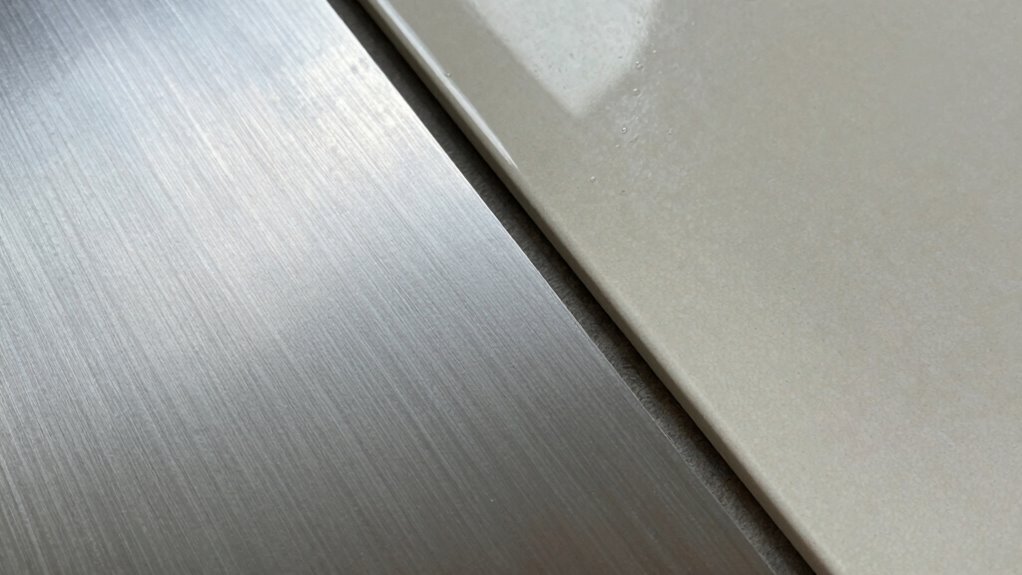
When choosing between titanium and ceramic plates, consider durability, heat transfer, and your styling needs. Titanium plates are lightweight, highly durable, and resistant to scratches and warping, making them ideal for frequent use. Ceramic plates offer a smooth glide and reduce hair snagging but can chip or wear over time. Both materials have pros and cons, and knowing more can help you make the best choice for your hair and routine.

Get your next haul delivered free with Prime
- Fast, free delivery on millions of items
- Prime Video, Amazon Music and more included
- Member-only deals all year
Key Takeaways
- Titanium plates are highly durable, scratch-resistant, and maintain performance over time, ideal for frequent use.
- Ceramic plates feature a non-stick surface that reduces hair snagging but are more prone to chipping and coating wear.
- Titanium is lightweight and strong, offering better portability and ease of handling compared to ceramic.
- Ceramic plates may degrade over time, especially with harsh cleaning or impact, affecting styling quality.
- Proper maintenance and gentle handling extend the lifespan of both titanium and ceramic flat irons.
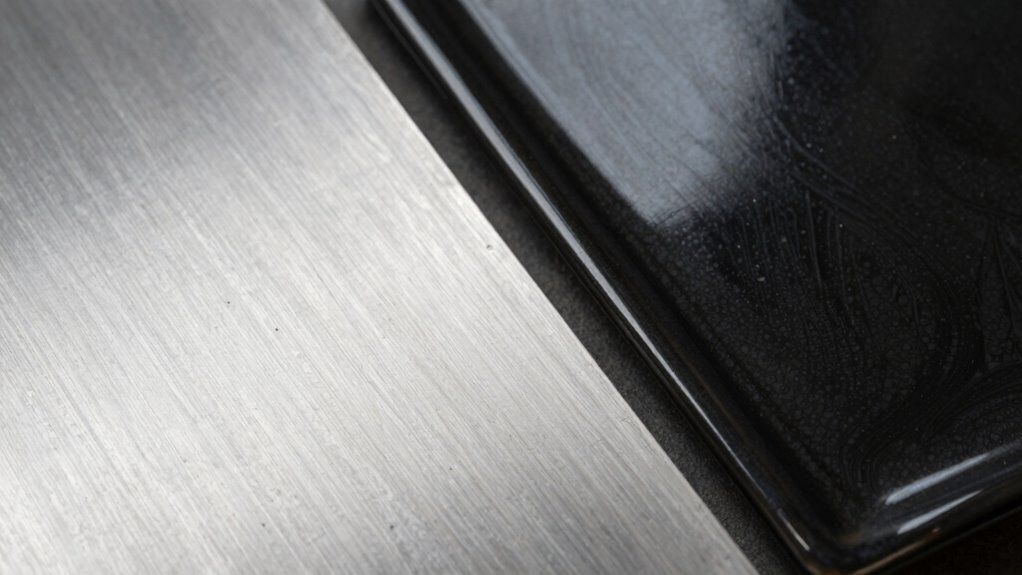
Durability is another key factor when comparing these two materials. Titanium plates are known for their exceptional strength and resistance to scratches, warping, and general wear and tear. If you frequently travel or style hair multiple times a week, titanium’s durability ensures your flat iron stays reliable over time. It’s also lightweight, which adds to its convenience without sacrificing strength. Ceramic plates, though generally durable, can be more prone to chipping or cracking if dropped or mishandled. Over time, ceramic coatings may wear out, especially if you use harsh cleaning methods or apply excessive pressure while styling. However, ceramic plates often come with a non-stick surface, which helps reduce hair snagging and makes them easier to clean. Additionally, proper heat transfer maintenance and careful handling can extend the lifespan of either material.
As an affiliate, we earn on qualifying purchases.
Frequently Asked Questions
How Do Titanium and Ceramic Flat Irons Compare in Durability?
Titanium flat irons tend to be more durable than ceramic ones, resisting scratches and warping better over time. They’re also lighter, making extended styling easier, though they usually come at a higher price. Ceramic irons are more affordable but might wear out faster with frequent use. If durability is your priority and you’re willing to invest, titanium offers long-lasting performance. For budget-friendly options, ceramic still provides decent durability but may need replacement sooner.
Which Material Heats up Faster for Professional Styling?
You’ll find that titanium heats up faster for professional styling because it has a higher heat transfer efficiency. This means it quickly reaches your desired temperature, saving you time. Additionally, titanium offers excellent temperature stability, so it maintains consistent heat during use. Ceramic plates heat more gradually but provide even heat distribution. Overall, titanium’s rapid heating and stable temperature make it ideal for quick, efficient styling sessions.
Are There Health Risks Associated With Titanium or Ceramic Plates?
Health concerns with titanium or ceramic plates are minimal, but you should consider allergy risks. Titanium is hypoallergenic, making it safe for most, but rare allergies can occur. Ceramic plates don’t typically cause allergies, but if you have sensitive skin, they might irritate you. Overall, both materials are safe for everyday use, but if you notice scalp or skin irritation, consult a dermatologist to rule out allergies or sensitivities.
How Do Maintenance Requirements Differ Between Titanium and Ceramic Irons?
You’ll find maintenance varies between titanium and ceramic irons. Titanium plates generally have a longer product lifespan, so they require less frequent cleaning, often just wiping after use. Ceramic plates need regular cleaning to remove product buildup, which can affect performance over time. Follow specific cleaning procedures for each type, like avoiding abrasive cleaners for ceramic and using a damp cloth for titanium, to ensure your flat iron stays in top shape.
Can Titanium or Ceramic Plates Cause Less Hair Damage?
You’ll find titanium plates cause less hair damage because they heat quickly and transfer heat efficiently, reducing the risk of hot spots. Ceramic plates also offer good heat transfer but may take longer to heat evenly. While titanium irons tend to be more expensive, their durability and faster heat transfer can be more cost-effective in the long run. Choose based on your budget and desire for faster, gentler styling.
As an affiliate, we earn on qualifying purchases.
Conclusion
Choosing between titanium and ceramic flat iron plates isn’t just about preferences—it’s about finding what works best for your hair. You might find that titanium heats up faster and offers durability when you least expect it, while ceramic provides smoothness and shine without much effort. Sometimes, the best tool appears just when you’re about to give up, proving that the right plate material can make all the difference in your styling routine.
As an affiliate, we earn on qualifying purchases.
As an affiliate, we earn on qualifying purchases.
Halloween Picks
halloween
As an affiliate, we earn on qualifying purchases.