Seasoning your cast iron isn’t as complicated as myths suggest. You only need to apply a thin, even layer of oil—any oil works, no fancy stuff needed—and heat it enough to create a durable, non-stick surface. Regular use and proper maintenance build up the seasoning over time. Don’t worry about soap or high heat; these won’t ruin your skillet if handled correctly. Keep learning, and you’ll perfect your seasoning process with ease.
Key Takeaways
- Proper seasoning relies on thin oil layers and adequate heating, not special oils or high temperatures.
- Regular use and maintenance, including occasional soap cleaning, strengthen the seasoning over time.
- Over-oiling or using too much oil can cause stickiness; a light, even coat is most effective.
- Seasoning is an ongoing process that improves with each use, not a one-time event.
- Achieving a durable seasoning involves heating the oil enough for polymerization, whether on the stovetop or in the oven.

Seasoning your cast iron skillet is essential for creating a natural non-stick surface and preventing rust. Many people think that cast iron seasoning is a complicated process filled with myths and misconceptions. However, understanding what cast iron seasoning really involves helps you get better results and maintain your skillet effectively. One common misconception is that you need to use a lot of oil or a special type of oil to season your skillet. The truth is, you don’t need an abundance of oil; just a thin, even layer works best. Over-oiling can lead to a sticky, uneven surface instead of a smooth, non-stick coating. Another myth is that seasoning is a one-time event—you only need to do it once. In reality, cast iron seasoning is an ongoing process that improves with regular use and proper maintenance. Every time you cook with oil, you’re reinforcing the seasoning layer, making your skillet better over time.
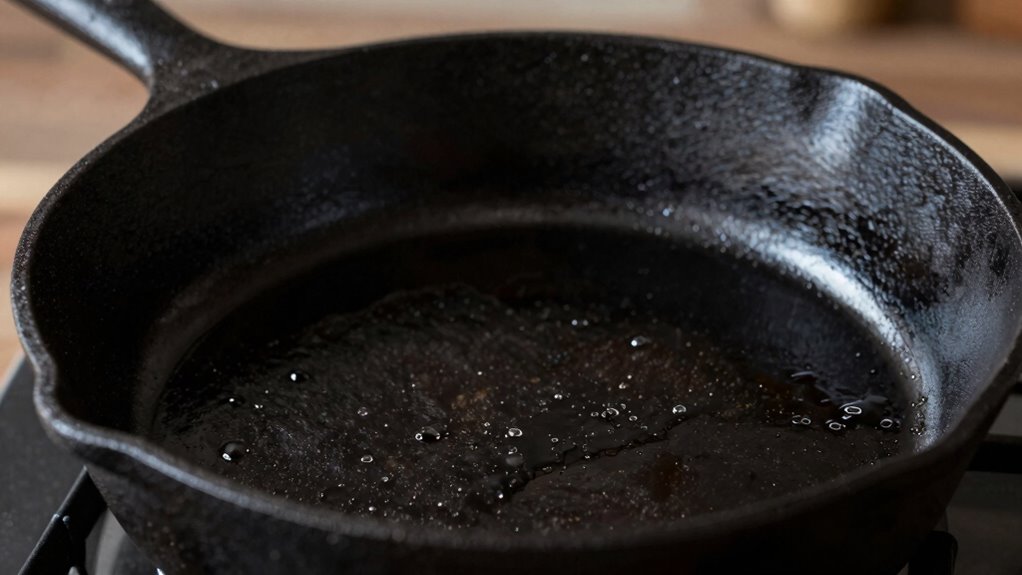
Many folks also believe that the seasoning process requires high heat or a fancy oven. While high heat helps the oil bond to the metal, you can achieve excellent seasoning with simple techniques like stovetop heating or even baking in your regular oven. The key is to heat the skillet enough so that the oil polymerizes, creating that durable coating. Also, some assume that dish soap destroys the seasoning. This isn’t true if you use soap occasionally to clean your skillet—your seasoning layers are pretty resilient. However, frequent or aggressive scrubbing can wear down the seasoned surface over time, so it’s better to use gentle cleaning methods once your skillet is well-seasoned.
Understanding cast iron seasoning also involves knowing that not all oils are equal. Many believe that only specific “seasoning oils” are effective, but in reality, most oils with high smoke points—like vegetable oil, canola, or flaxseed—work well. Applying a thin layer of oil and then heating it creates that non-stick surface you’re aiming for. It’s a myth that you need to scrub your skillet to “re-season” it every time it loses its shine; often, a quick re-application of oil and a heating session can restore its surface. The key is consistency—season your skillet regularly, avoid harsh detergents, and store it in a dry place.
Frequently Asked Questions
How Often Should I Reseason My Cast Iron Pan?
You should reseason your cast iron pan whenever the seasoning starts to wear thin, typically every 6 months or when you notice rust or sticking. Regular seasoning maintains a non-stick surface and prevents rust, effectively reconditioning your pan. Keep an eye on its condition and don’t wait too long—frequent seasoning guarantees your pan stays in top shape and lasts for years.
Can Dish Soap Be Used During Seasoning?
You can use dish soap during seasoning, despite the myths suggesting otherwise. It’s a common misconception that soap ruins your cast iron’s seasoning, but a quick wash won’t erase your efforts. In fact, soap can help during seasoning maintenance if your pan’s got stubborn residue. Just remember, it’s all about balance—occasional gentle cleaning keeps your skillet in top shape without compromising that coveted non-stick surface.
What’s the Best Oil for Seasoning Cast Iron?
The best oil for seasoning cast iron has a high smoke point, like flaxseed, grapeseed, or vegetable oil. These oils create thin, durable seasoning layers when heated properly, building up a strong non-stick surface. Avoid oils with low smoke points, as they can produce sticky layers or burn off too quickly. Choose an oil suited for high heat to guarantee your seasoning develops a resilient, long-lasting finish.
How Do I Fix a Sticky Cast Iron Surface?
Your sticky cast iron surface is practically a magnet for disaster! To fix it, first, heat the pan to burn off excess oil, preventing oil smoking and sticking. Then, scrub away any rust or residue with steel wool or a brush. Re-season it with a thin layer of your best oil, like flaxseed, and bake it to create a smooth, non-stick surface. Keep oil layers thin to avoid future stickiness!
Is Vinegar Safe to Clean Seasoned Cast Iron?
Vinegar is safe for cleaning seasoned cast iron if used sparingly, as it provides a gentle acidic cleaning that can remove rust and buildup. However, avoid prolonged exposure to prevent corrosion, which could damage your pan. To protect your seasoning, always rinse thoroughly afterward and dry immediately. For regular maintenance, stick to warm water and a brush, reserving vinegar for occasional deep cleaning to ensure corrosion prevention.
Conclusion
Now that you know the truth about cast iron seasoning, it’s time to tame your tool with patience and practice. With a simple, sizzling scrub and a steady, smoky seasoning session, you’ll transform your skillet into a slick, seasoned surface that’s virtually vandal-proof. Embrace the easy, effective method, and watch your cookware become a shining symbol of kitchen mastery. Remember, with dedication and determination, your cast iron can conquer corrosion and craft countless culinary creations.