To effectively remove stains, you need to identify the type first. For protein stains from blood or sweat, use enzyme-based removers and avoid hot water. Tannin stains from coffee or wine respond well to mild acids or vinegar pretreatment. Oil stains from grease or makeup require degreasers like dish soap and gentle blotting. Using the correct remover and technique is key, and you’ll find more tips to fully tackle each stain type as you continue your search.

Get your next haul delivered free with Prime
- Fast, free delivery on millions of items
- Prime Video, Amazon Music and more included
- Member-only deals all year
Key Takeaways
- Correctly identify the stain type (protein, tannin, or oil) before choosing a stain remover.
- Use enzyme-based products for protein stains, acid or tannin-specific removers for tannins, and degreasers for oil stains.
- Always follow manufacturer instructions and test products on small fabric areas first.
- Pre-treat stains promptly with appropriate solutions and avoid hot water for protein stains.
- Do not dry stained items until the stain is fully removed to prevent setting.
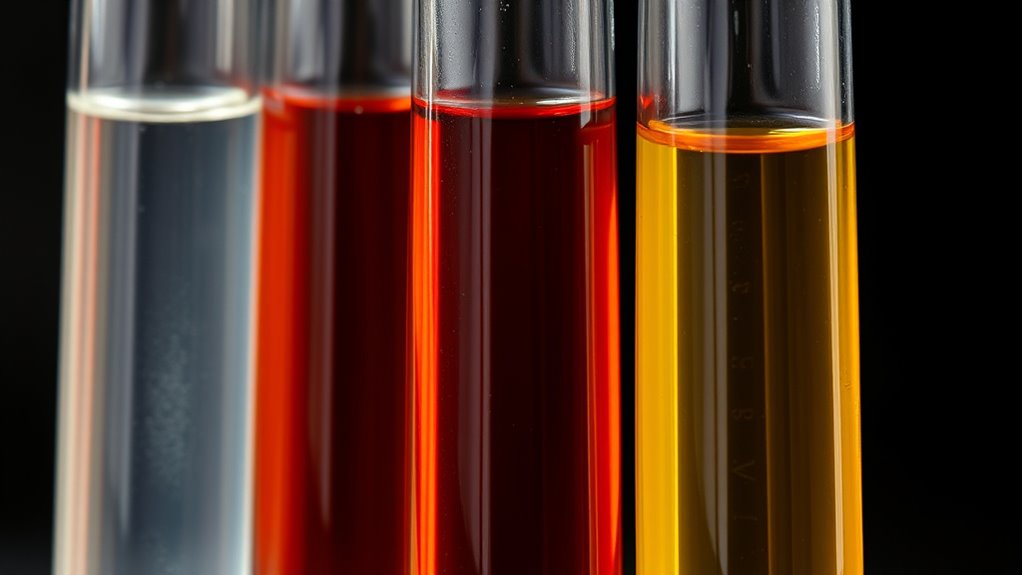
Have you ever struggled to get a stubborn stain out of your clothes or upholstery? It’s frustrating when a stain refuses to budge, especially after trying multiple treatments. The key to success is understanding that different stains require different types of stain removers. Using the wrong product can make the stain worse or set it permanently. That’s why knowing whether a stain is protein-based, tannin-based, or oil-based is essential for choosing the right remover.
Understanding stain types is key to effective removal and avoiding permanent damage.
Protein stains come from substances like blood, sweat, dairy, or egg. These stains are delicate and can set quickly if not treated properly. For protein stains, you want a enzyme-based stain remover. Enzymes break down the proteins, loosening the stain from the fabric. You should apply the enzyme cleaner directly to the stain and let it sit for about 15-30 minutes before washing. Avoid using hot water, as heat can cause the proteins to set, making the stain impossible to remove later. Enzyme cleaners are available in many laundry products, but you can also find specialized stain removers designed for protein stains. Remember, patience is key—don’t rush the process, and always check the stain before drying the item.
Tannin stains originate from foods and drinks like coffee, tea, wine, and fruit juices. These stains tend to be dark and can quickly become stubborn if not treated promptly. For tannin stains, you want to use a stain remover that contains a mild acid or a commercial tannin stain remover. Sometimes, simply rinsing the fabric with cold water as soon as possible can help prevent the stain from setting. For more persistent tannin stains, pretreat with a solution of water and a small amount of white vinegar or a commercial stain remover formulated for tannins. After pretreating, wash the fabric with cold water and check the stain before drying. If the stain persists, repeat the process rather than drying, which can set the stain permanently.
Oil stains, such as those from cooking, grease, or makeup, are often the most challenging. They don’t dissolve in water easily, so you need a different approach. Use a degreasing stain remover or dish soap, which is designed to break down fats and oils. Apply the product directly to the stain and let it sit for at least 10-15 minutes. Gently scrub if needed, then wash with hot water if the fabric tolerates it. Be sure to blot rather than rub, as rubbing can push the oil deeper into the fibers. Sometimes, using a small amount of baking soda or cornstarch before applying the stain remover can help absorb excess oil. This layered approach ensures you’re tackling the stain from multiple angles, increasing the chances of complete removal. Additionally, understanding the flushing mechanisms of your washing machine can help ensure proper cleaning and stain removal.
Knowing the type of stain you’re dealing with makes all the difference. By selecting the appropriate stain remover—protein, tannin, or oil—you give yourself the best chance of restoring your clothes and upholstery to their original state. Always read labels, follow instructions carefully, and test on a small, inconspicuous area first to avoid damage.
enzyme stain remover for protein stains
As an affiliate, we earn on qualifying purchases.
As an affiliate, we earn on qualifying purchases.
Frequently Asked Questions
Can Stain Removers Damage Delicate Fabrics?
Yes, stain removers can damage delicate fabrics if you don’t choose the right type or use them improperly. You might cause discoloration, weaken fibers, or even create new stains. Always test a small, hidden area first and follow the instructions carefully. Using gentle, fabric-specific removers and avoiding harsh chemicals helps protect your delicate items while effectively removing stains.
Are Natural Stain Removers as Effective as Chemical Ones?
Think of natural stain removers as gentle guardians, fighting stains with the quiet strength of a caring hand. They’re often just as effective as chemical ones, especially for light to moderate stains, and they’re kinder to your fabrics and the environment. While they may require a bit more patience, natural options like baking soda or vinegar can tackle many stains without harsh chemicals, making them a trustworthy, eco-friendly choice.
How Should I Store Stain Removers Safely?
You should store stain removers in a cool, dry place away from children and pets. Keep the containers tightly sealed to prevent leaks and label them clearly. Avoid storing them near heat sources or direct sunlight, as this can diminish their effectiveness. It’s best to keep them in a sturdy cabinet or a locked storage box to ensure safety and prevent accidental spills or misuse.
Can Stain Removers Be Reused After Cleaning?
You shouldn’t reuse stain removers after cleaning because residues and bacteria can build up, making them ineffective or unsafe. Instead, always follow the manufacturer’s instructions for disposal or storage, and consider using fresh solutions for each stain. While it might seem economical, reusing can lead to poor results or potential health risks. Properly storing and discarding stain removers guarantees they work effectively and keeps your environment safe.
Do Stain Removers Work on Old, Set-In Stains?
Yes, stain removers can work on old, set-in stains, but success depends on the stain type and how long it’s been there. You should act quickly and apply the remover directly to the stain, letting it sit for a bit before washing. For stubborn stains, you might need to repeat the process or try a specialized remover. Patience and the right product are key to improving your chances.
vinegar stain remover for tannin stains
As an affiliate, we earn on qualifying purchases.
As an affiliate, we earn on qualifying purchases.
Conclusion
Now that you know the different stain types—protein, tannin, and oil—it’s time to take action. Use the right remover to wipe out worries and win over stubborn stains. With a little knowledge and the right product, you’ll easily eliminate everyday embarrassments. Remember, proper protection prevents persistent problems, so stay savvy, stay smart, and keep your clothes clean and carefree. Stain solutions are simple—just stay sharp and select the suitable remover!
degreasing stain remover for oil stains
As an affiliate, we earn on qualifying purchases.
As an affiliate, we earn on qualifying purchases.
best stain remover for blood sweat wine
As an affiliate, we earn on qualifying purchases.
As an affiliate, we earn on qualifying purchases.
Halloween Picks
halloween
As an affiliate, we earn on qualifying purchases.