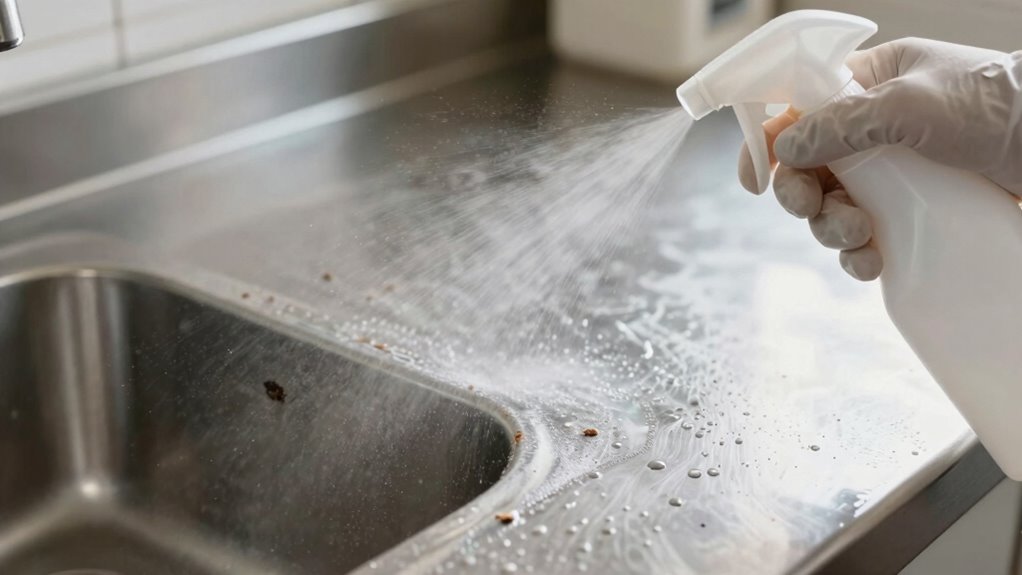
Disinfecting means applying EPA-registered disinfectants to kill germs, viruses, and fungi on surfaces, which helps prevent illness and contamination. Cleaning, on the other hand, removes dirt, dust, and debris from surfaces, making them look tidy and reducing germs indirectly. While cleaning is important for surface appearance, disinfecting targets harmful microorganisms directly. Knowing the difference guarantees you use each method properly for the highest hygiene standards—if you want to know more, keep going.

Get your next haul delivered free with Prime
- Fast, free delivery on millions of items
- Prime Video, Amazon Music and more included
- Member-only deals all year
Key Takeaways
- Cleaning removes dirt, dust, and debris, while disinfecting kills germs, bacteria, viruses, and fungi.
- Disinfecting involves applying EPA-registered disinfectants with proper contact time and dilution.
- Cleaning is a preparatory step that reduces dirt, making disinfecting more effective.
- Disinfection is crucial in high-risk environments like healthcare and kitchens to prevent illness.
- Proper disinfection requires correct application methods, distinct from general cleaning practices.
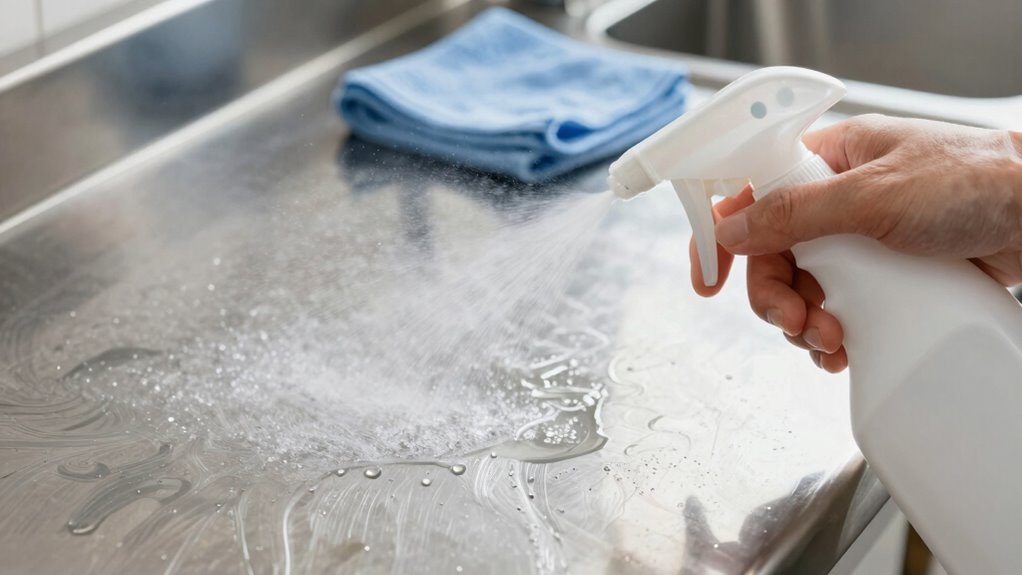
Have you ever wondered what truly sets disinfecting apart from cleaning? While they might seem similar, they serve different purposes and require distinct approaches. Cleaning involves removing dirt, dust, and debris from surfaces, which helps reduce the number of germs and makes environments look tidy. However, it doesn’t necessarily kill germs or other harmful microorganisms. Disinfecting, on the other hand, aims to substantially lower the number of bacteria, viruses, and fungi on surfaces to prevent illness and contamination. It’s a more targeted process that’s vital in settings like healthcare facilities, kitchens, and public spaces where sanitation standards are strict and the risk of infection is high.
Understanding the difference begins with recognizing the importance of antiseptic techniques. When you disinfect, you’re applying specific agents—like EPA-registered disinfectants—that are proven to kill pathogens effectively. These agents need to be used properly, following manufacturer instructions for contact time and dilution, to guarantee they work as intended. Proper disinfecting isn’t just about pouring cleaner on a surface; it’s about applying the right product in the right way to meet established sanitation standards. These standards are designed to make sure that surfaces are safe and hygienic, especially in environments where vulnerable populations are present or where disease transmission could occur. Additionally, using appropriate disinfection methods ensures the effectiveness of the process and reduces the risk of resistant microorganisms developing. A clear understanding of effective disinfectant application is essential for maintaining high standards of hygiene. Moreover, understanding the differences between cleaning and disinfecting helps ensure that each step is performed correctly for optimal safety.
EPA-registered disinfectant spray
As an affiliate, we earn on qualifying purchases.
As an affiliate, we earn on qualifying purchases.
Frequently Asked Questions
How Long Does Disinfecting Last Before Surfaces Need Re-Treatment?
Disinfecting typically lasts for a few hours to several days, depending on the surface and environmental conditions. You should re-treat high-touch surfaces daily for ideal residual effectiveness, especially in busy areas. Surface longevity varies—some disinfectants provide longer-lasting protection, while others require more frequent application. To maintain a germ-free environment, regularly re-disinfect surfaces, particularly if they’re frequently touched or exposed to dirt and moisture.
Are Certain Disinfectants Safe for All Types of Surfaces?
Did you know that over 80% of household disinfectants aren’t safe for all surfaces? Some disinfectants can damage delicate materials or cause chemical safety concerns. You should check the label to verify surface compatibility before use. Not all disinfectants are suitable for every material, so selecting the right product protects your surfaces and keeps your home safe. Always follow manufacturer instructions for safe, effective disinfecting.
Can Cleaning Alone Eliminate All Germs and Bacteria?
Cleaning alone can’t eliminate all germs and bacteria because it mainly removes dirt and some microbes. Disinfecting is necessary to kill most germs effectively. When choosing disinfectants, consider surface compatibility to avoid damage and guarantee chemical safety for you and your environment. You should follow label instructions carefully, especially regarding contact time and surface compatibility, to maximize germ elimination while maintaining safe chemical use.
What Are the Best Practices for Disinfecting High-Touch Areas?
You should regularly disinfect high-touch areas like doorknobs, light switches, and smartphones. Use a disinfectant suitable for the surface material, ensuring it’s effective against germs. Always follow the product’s instructions for contact time and proper application. Wear gloves and wash your hands afterward. Effective disinfectant use minimizes bacteria and virus spread, especially on frequently touched surfaces, helping keep your environment safer and healthier.
How Does Disinfecting Affect Indoor Air Quality?
Disinfecting improves indoor air quality by reducing airborne pathogens, lowering the risk of illness. However, it can also introduce chemical fumes from disinfectants, which might irritate your respiratory system or cause allergies. To balance these effects, guarantee proper ventilation during and after disinfecting, and choose eco-friendly, low-chemical products when possible. This way, you protect your space from germs without compromising your indoor air quality.
multi-surface disinfectant wipes
As an affiliate, we earn on qualifying purchases.
As an affiliate, we earn on qualifying purchases.
Conclusion
Now that you’ve seen the difference, remember: cleaning removes dirt and germs, while disinfecting destroys the harmful ones. Think of cleaning as sweeping away shadows and disinfecting as banishing them completely. By understanding this dance of dirt and disinfectant, you guarantee your space isn’t just tidy, but truly safe. So, next time you wipe, ask yourself—are you merely cleaning or actually disinfecting? Because in this battle, knowledge is your greatest weapon.
hospital-grade disinfectant for kitchen
As an affiliate, we earn on qualifying purchases.
As an affiliate, we earn on qualifying purchases.
disinfectant contact time monitor
As an affiliate, we earn on qualifying purchases.
As an affiliate, we earn on qualifying purchases.
Fall Picks
fall essentials
As an affiliate, we earn on qualifying purchases.