
When you clean, you remove dirt, dust, and some germs but don’t kill all bacteria or viruses. Disinfecting uses chemical agents and requires proper dwell time—how long the disinfectant stays wet—to effectively kill germs. If you wipe or dry too soon, many pathogens may survive, leaving your surfaces unsafe. To truly protect yourself and others, you need to understand how dwell time makes all the difference in effective disinfection—and there’s more to learn to master it.
Key Takeaways
- Cleaning removes dirt and germs but does not necessarily kill all pathogens; disinfecting aims to eliminate a broader range of germs.
- Dwell time is the minimum period disinfectants must stay wet on surfaces to effectively kill germs.
- Proper disinfecting requires applying the chemical and maintaining it for the specified dwell time; wiping early reduces effectiveness.
- Skipping or rushing dwell time can leave many germs alive, making disinfecting less effective than cleaning alone.
- Combining thorough cleaning with adequate dwell time ensures surfaces are truly disinfected and safe.
Have you ever wondered what truly makes a surface safe—cleaning or disinfecting? It’s a common question because many people assume that wiping down surfaces is enough to keep germs at bay. However, the key difference lies not just in the action but in the process, especially the dwell time. Cleaning involves removing dirt, dust, and some germs from surfaces, usually with soap or detergent and water. It helps improve appearance and reduce some bacteria, but it doesn’t necessarily eliminate all pathogens. Disinfecting, on the other hand, aims to kill a wider range of germs, including bacteria and viruses, using chemical agents like disinfectants. But simply applying a disinfectant isn’t enough; you need to give it time to work effectively.
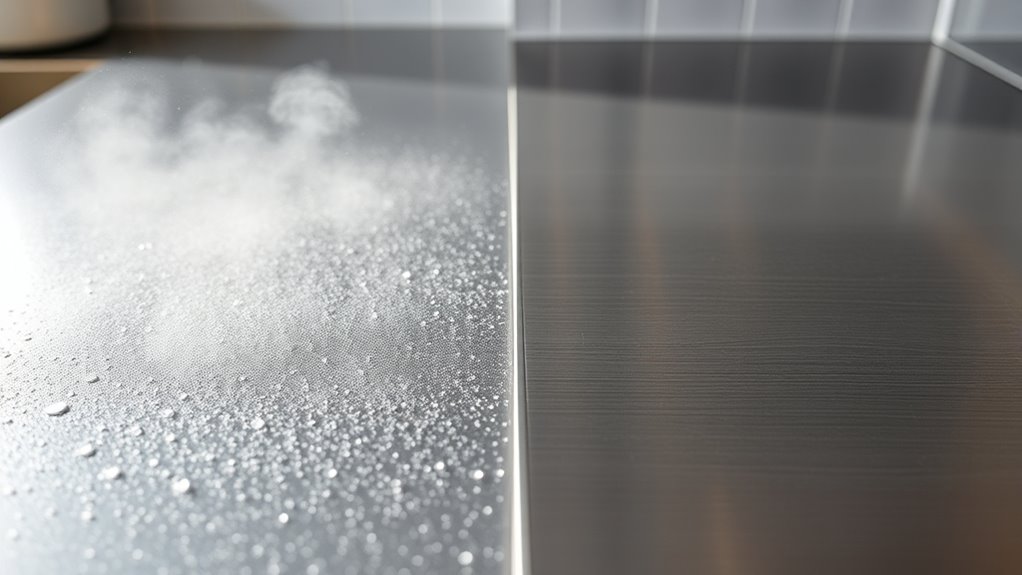
This is where dwell time becomes critical. Dwell time, also called contact time, is the amount of time a disinfectant must remain wet on a surface to effectively kill germs. Manufacturers specify a minimum dwell time on their labels, which can range from a few seconds to several minutes. If you wipe a surface and immediately dry it or wipe it again before the dwell time expires, you’re potentially leaving many germs alive. Conversely, if you allow the disinfectant to sit undisturbed for the recommended duration, you maximize its germ-killing power. It’s not just about applying the product; it’s about giving it enough time to do its job.
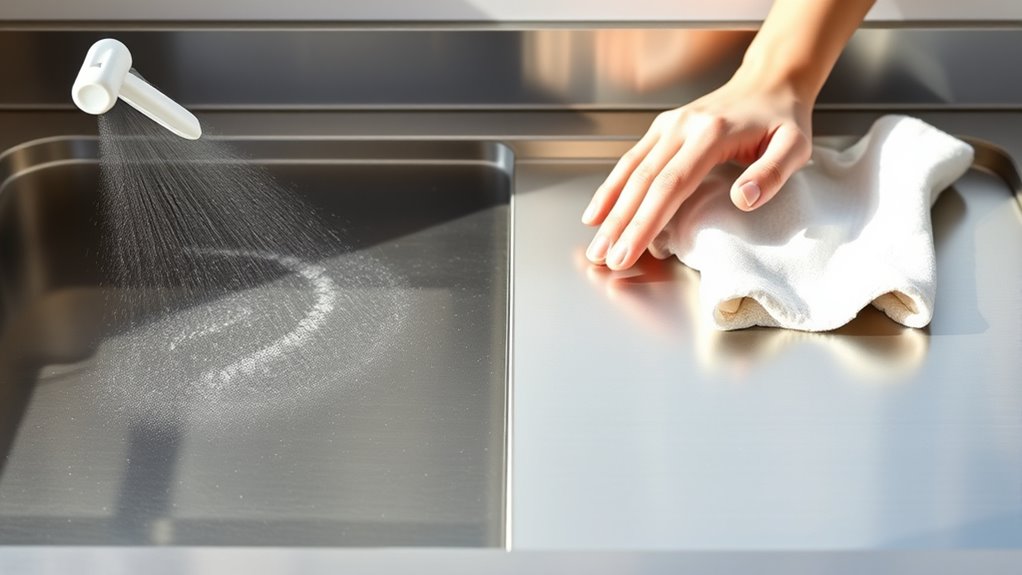
Many people overlook dwell time because they think that spreading disinfectant quickly or wiping it away saves time. But this approach can render the disinfectant ineffective, defeating the purpose of disinfecting entirely. To truly protect yourself and others, you need to follow the instructions carefully—spray or apply the disinfectant, then wait without wiping or drying it prematurely. This period allows the chemical to penetrate the germs’ protective layers, disrupting their cellular functions and destroying them. Skipping this step or rushing it can lead to a false sense of security, leaving surfaces contaminated despite your efforts.
Skipping dwell time risks leaving germs alive and surfaces contaminated.
Understanding dwell time also helps you become a more effective cleaner. Whether you’re disinfecting kitchen counters, bathroom fixtures, or high-touch areas, always check the label for the recommended contact time. Patience is essential here—you might need to wait a few minutes before moving on. Remember, thorough cleaning first removes debris and dirt that can shield germs, but proper disinfecting with adequate dwell time ensures those germs are actually killed. Additionally, incorporating AI-powered tools can help monitor and remind you of dwell times to improve compliance. So, next time you clean or disinfect, focus just as much on the dwell time as on the act itself. Doing so makes all the difference in keeping your environment safe and germ-free.

Lamicall Aluminum Laptop Stand for Desk for MacBook Air Pro Neo 10-17.3''
- Wide Compatibility: Fits laptops 10 to 17.3 inches
- Adjustable & Portable: Customizable height and angle, foldable design
- Stable Aluminum Base: Heavy-duty, non-slip, shake-proof
As an affiliate, we earn on qualifying purchases.
Frequently Asked Questions
How Do Disinfectants Differ From Cleaning Agents Chemically?
Disinfectants contain chemical agents like bleach or alcohol that kill bacteria, viruses, and fungi, while cleaning agents primarily remove dirt, grease, and debris. Chemically, disinfectants often have active ingredients designed to target microbes’ cell structures, disrupting their function or destroying them. Cleaning agents focus on surfactants and solvents that break down and lift away grime. You need to follow proper dwell times for disinfectants to be effective.
Can Surfaces Be Disinfected Without Prior Cleaning?
No, you shouldn’t disinfect surfaces without cleaning first. Dirt, grease, and debris can shield germs from disinfectants, reducing their effectiveness. Cleaning removes visible dirt and organic matter, allowing disinfectants to work properly. If you skip cleaning, disinfectants may not eliminate all germs, potentially leaving surfaces contaminated. Always clean surfaces thoroughly before applying disinfectant, and guarantee proper dwell time to maximize germ-killing efficiency.
What Are the Health Risks of Improper Dwell Times?
If you don’t permit proper dwell time, you’re risking incomplete disinfection, which can leave harmful bacteria and viruses on surfaces. This increases your chances of infection or illness, especially in high-touch areas. Without enough contact time, disinfectants can’t work effectively, so surfaces remain contaminated. Always follow manufacturer instructions for dwell time to guarantee germs are fully killed and your environment stays safe.
How Often Should High-Touch Surfaces Be Disinfected?
You should disinfect high-touch surfaces at least daily, or more often if they’re used frequently or in high-traffic areas. When disinfecting, make sure you follow the product’s dwell time instructions to effectively kill germs. Regular disinfection helps prevent the spread of illnesses and maintains a healthier environment. Always wash your hands afterward and avoid touching your face to reduce transmission risks further.
Are There Eco-Friendly Disinfectants With Effective Dwell Times?
Like a knight seeking eco-friendly armor, you can find disinfectants that balance effectiveness and sustainability. Many plant-based or biodegradable options exist that meet EPA standards and have proper dwell times. Look for labels emphasizing “green” or “eco-conscious” while ensuring they specify dwell times for proper disinfecting. These solutions let you protect your space without harming the environment, making them a smart, responsible choice for your cleaning routine.
Conclusion
Remember, you get what you pay for—so don’t skip the essential dwell time when disinfecting. While cleaning removes dirt and germs, disinfecting kills harmful bacteria, but only if you let the solution sit long enough. Taking the time to follow proper dwell times ensures a safer, healthier environment. As the saying goes, “A stitch in time saves nine.” Prioritize thoroughness over speed, and you’ll truly keep your space clean and protected.

Nulaxy Ergonomic Adjustable Laptop Stand for Desk, Dual Foldable Computer Riser with Advanced Heat-Vent, Heavy-Duty Portable Notebook Holder for Posture Correction, Compatible with Mac 10-17" Laptops
- Ergonomic Posture Support: Elevates laptop for healthier viewing angle
- Stable Dual-Rod Design: Ensures wobble-free support up to 22 lbs
- Enhanced Heat Dissipation: Geometric vents improve airflow and cooling
As an affiliate, we earn on qualifying purchases.

Amazon Basics Sturdy and Portable Ergonomic Laptop Stand for Desk, Height Adjustable Riser with Ventilated Cooling, Foldable, Fits all Laptops up to 15.6 Inch, Silver
- Adjustable Height: Up to 7 inches for personalized comfort
- Universal Compatibility: Supports laptops 10-15.6 inches
- Sturdy Aluminum Build: Lightweight, rust-resistant, 11 lbs capacity
As an affiliate, we earn on qualifying purchases.