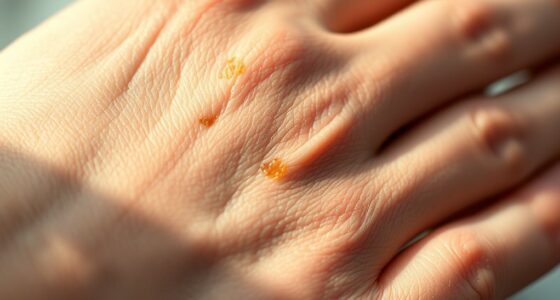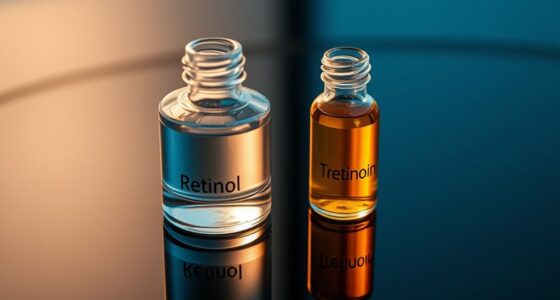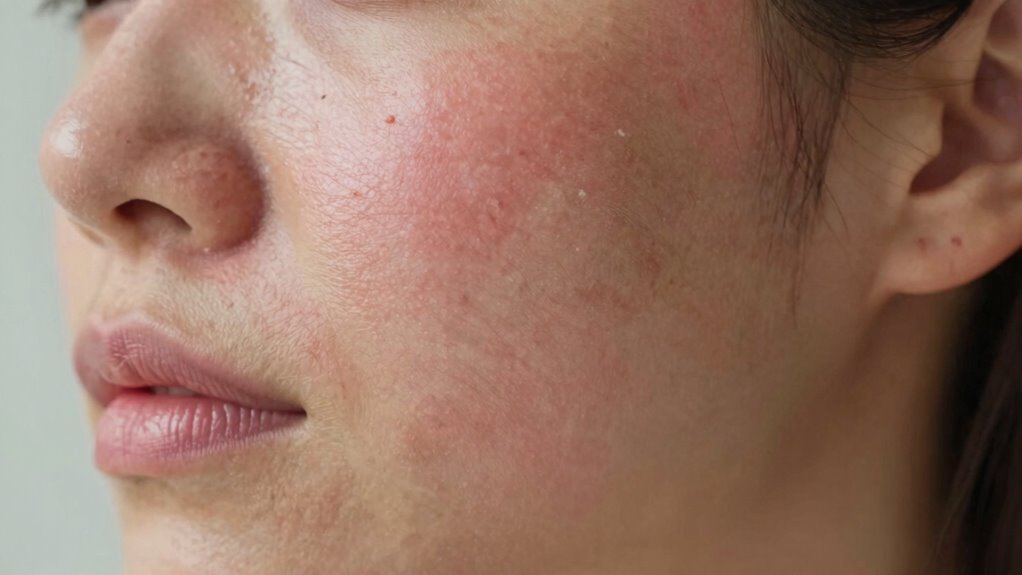

When you notice redness, peeling, or breakouts after starting retinol, it’s key to tell if you’re purging or irritating your skin. Purging usually happens within the first few weeks, confined to areas with congestion, and subsides as your skin clears. Persistent redness, stinging, or widespread reactions suggest irritation. To be sure, observe if your symptoms stick around or improve with adjustments. Keep going, and you’ll discover simple ways to tell apart these skin reactions and protect your glow.
Key Takeaways
- Observe if redness and peeling are localized and improve with time; widespread or persistent reactions may indicate irritation.
- A purge typically occurs within the first few weeks and resolves as skin clears; ongoing issues suggest irritation.
- During a purge, breakouts surface in areas of congestion; irritation often affects broader areas with stinging or burning.
- Reduce retinol use or simplify your routine if reactions worsen beyond initial days; persistent irritation needs product adjustment.
- Patience and monitoring reaction patterns help distinguish a temporary purge from harmful irritation, saving your skin from unnecessary damage.
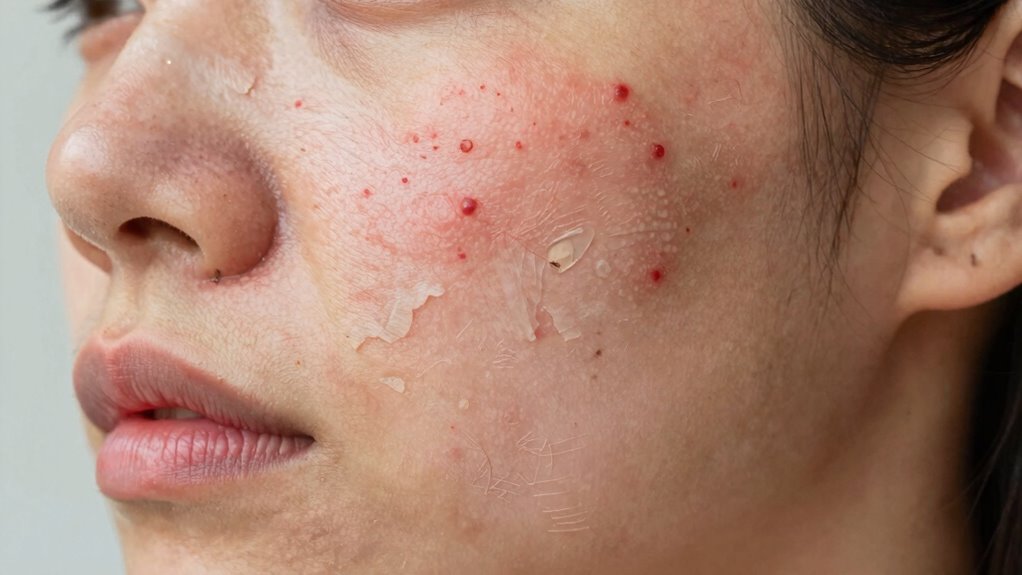
When you start using retinol, you might notice some initial skin changes that can be confusing—are they a purge or irritation? This is a common concern for anyone new to retinoids. Your skin may react with redness, peeling, or breakouts, but understanding these signs is key to determining whether your skin is purging or simply irritated. During this period, skin sensitivity often increases because retinol accelerates cell turnover, bringing underlying impurities to the surface. This process can look alarming, but it typically indicates your skin is adjusting and clearing out congestion. To navigate this, pay close attention to how your skin reacts over the first few weeks.
One of the most effective ways to manage these early reactions is through careful product layering. Using retinol alongside other skincare products requires a gentle touch. Start with a clean, dry face, and apply a moisturizer before or after retinol, depending on your skin’s tolerance. Layering products correctly can help reduce skin sensitivity, which often worsens irritation. For example, applying a moisturizer before retinol creates a buffer that minimizes direct contact with your skin, reducing the risk of discomfort. Conversely, some prefer to apply retinol first and follow with a moisturizer to lock in hydration. The key is to introduce retinol gradually—begin with a lower concentration once or twice a week, then increase frequency as your skin builds tolerance.
It’s also essential to observe how your skin responds when layering products. If you notice increased redness, stinging, or peeling, it may be a sign of overloading your skin with too many active ingredients at once. Simplify your routine during this adjustment period by avoiding harsh exfoliants or other potent actives. Additionally, choosing gentle skincare products can help support your skin’s barrier and reduce irritation. Over time, your skin’s sensitivity should decrease, and the purging phase will subside.
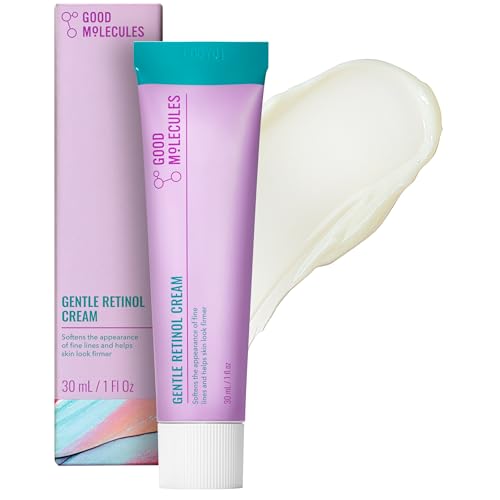
Good Molecules Gentle Retinol Cream – Retinol Night Cream to Minimize Appearance of Fine Lines & Wrinkles, Skin Tightening Recipe with Bakuchiol, Anti-Aging Skin Care For Face
PROMOTE CLEAR, YOUTHFUL SKIN: Embrace newfound confidence with this Gentle Retinol Cream formulated with a combination of powerful…
As an affiliate, we earn on qualifying purchases.
As an affiliate, we earn on qualifying purchases.
Frequently Asked Questions
How Long Does a Retinol Purge Typically Last?
A retinol purge typically lasts about 2 to 6 weeks, depending on your skin’s retinol timeline and how quickly your skin undergoes renewal. During this period, you might notice increased breakouts, dry patches, or peeling as your skin sheds old cells and renews itself. This process can be uncomfortable, but it’s a sign that your skin is responding to retinol. Patience and consistent use help your skin adapt and improve over time.
Can I Use Retinol if I Have Sensitive Skin?
If you have sensitive skin, you can still use retinol, but you’ll need to be cautious. Start with a lower concentration to minimize retinol sensitivity and avoid damaging your skin barrier. Patch test first to see how your skin reacts, and gradually increase usage. Pay attention to any irritation, and always moisturize well. Consulting a dermatologist is also a good idea to create a gentle retinol routine tailored for sensitive skin.
What’s the Difference Between Purging and Irritation?
Purging happens when your skin reacts to new products like retinol, causing breakouts or dryness that usually clear up within a few weeks. Irritation, however, results in redness, burning, or swelling and tends to persist longer. If you have skin sensitivity, it’s important to observe how your skin responds and consider product layering carefully. This helps you distinguish between normal purging and true irritation, preventing unnecessary discomfort.
Should I Stop Retinol if My Skin Reacts Badly?
Think of your skin as a garden; if it reacts badly, you might need to pause and tend carefully. If your skin becomes overly sensitive or inflamed, stop retinol immediately and give your skin time to recover. Adjust your retinol timing, use gentler formulations, and monitor how your skin responds. Don’t push through severe reactions—your skin needs patience, not punishment, to stay healthy and radiant.
How Can I Soothe Irritated Skin From Retinol?
To soothe irritated skin from retinol, you should focus on hydration techniques like using a gentle, fragrance-free moisturizer regularly. Incorporate soothing ingredients such as aloe vera, chamomile, or ceramides into your routine to calm inflammation. Avoid harsh cleansers, and give your skin a break from retinol if needed. Staying consistent with these steps helps restore your skin’s balance and reduces irritation over time.
retinol product layering kit
As an affiliate, we earn on qualifying purchases.
As an affiliate, we earn on qualifying purchases.
Conclusion
Remember, steering retinol’s effects is like walking a tightrope—you’ll find your balance with patience and care. A purge isn’t a sign of failure but a rite of passage, much like the phoenix rising from ashes. Trust your skin’s journey, and don’t mistake irritation for progress. With gentle persistence, you’ll emerge stronger, clearer, much like the dawn after a long night. Keep going—you’re closer than you think to radiant, resilient skin.
gentle exfoliating toner for retinol users
As an affiliate, we earn on qualifying purchases.
As an affiliate, we earn on qualifying purchases.
retinol purge relief serum
As an affiliate, we earn on qualifying purchases.
As an affiliate, we earn on qualifying purchases.