
To keep your scalp healthy and boost your hair’s shine, focus on gentle cleansing, regular exfoliation, and hydration. Use a scalp-appropriate shampoo and massage your scalp to stimulate blood flow. Exfoliate weekly to remove dead skin and prevent buildup. Choose lightweight conditioners and avoid products with alcohol. Maintain a balanced diet and limit heat styling. For persistent issues, consulting a specialist can help you achieve better scalp health and stronger hair—discover more tips ahead.
Open a free Amazon Business account
Business pricing, bulk buying and tax-exempt orders.
As an affiliate, we earn on qualifying purchases.
Key Takeaways
- Regularly cleanse your scalp with gentle, scalp-appropriate shampoos to remove buildup and promote healthy follicles.
- Exfoliate weekly using scrubs or soft brushes to eliminate dead skin and prevent clogged pores.
- Keep the scalp hydrated with lightweight conditioners and avoid products containing alcohol to prevent dryness.
- Protect your scalp from heat styling and environmental stressors with hats and protective hairstyles.
- Seek professional advice for persistent issues like dandruff or hair loss to maintain optimal scalp health.
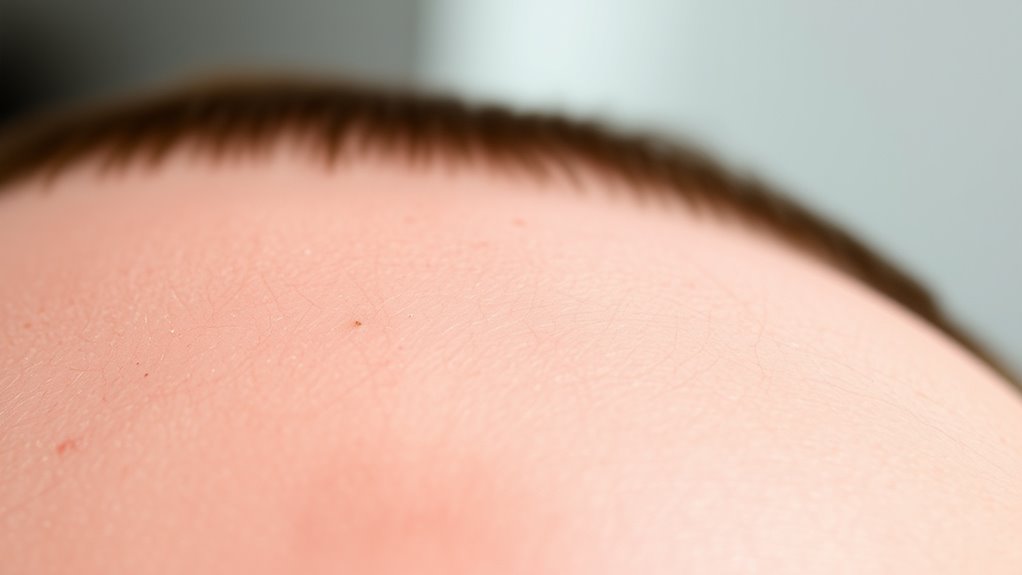
Your scalp is the foundation of healthy hair, yet it often gets overlooked in daily grooming routines. Many people focus on their hair strands themselves—shampooing, conditioning, styling—without giving much thought to what’s happening at the root. But a healthy scalp is essential for strong, shiny hair. If your scalp is dry, oily, irritated, or clogged with dead skin and excess oil, your hair won’t look its best, and you might even experience hair loss or scalp conditions like dandruff or seborrheic dermatitis.
A healthy scalp is the key to strong, shiny, beautiful hair.
Taking care of your scalp starts with understanding its needs. It’s not just about washing; it’s about cleansing, nourishing, and maintaining balance. Regular gentle cleansing helps remove dirt, excess oil, and product buildup that can clog hair follicles. Using a shampoo suited for your scalp type—whether oily, dry, or sensitive—ensures you don’t strip away too much moisture or leave residues that can cause irritation. When washing, focus on massaging your scalp rather than just the hair strands. This stimulates blood flow and helps loosen dead skin cells, promoting a healthier environment for hair growth.
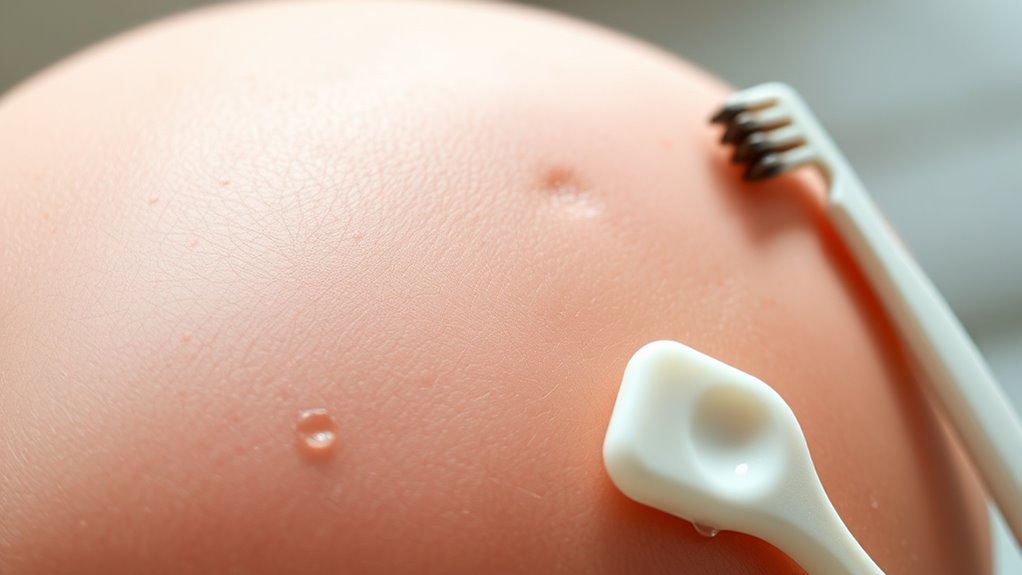
Beyond cleansing, exfoliating your scalp once a week can do wonders. Just like your face, your scalp benefits from gentle exfoliation to remove dead skin and prevent buildup. You can find scalp scrubs or use a soft brush designed for scalp care. Be gentle; aggressive scrubbing can cause irritation or damage hair follicles. After exfoliating, apply a nourishing treatment or scalp serum to soothe and hydrate the skin. Look for ingredients like tea tree oil, salicylic acid, or menthol, which can help control oil, reduce inflammation, and keep your scalp refreshed. Incorporating scalp health into your routine can further prevent issues and promote optimal hair growth.
Another vital element is maintaining proper hydration and moisture balance. If your scalp feels tight or flaky, it’s a sign it needs more moisture. Use lightweight conditioners or scalp treatments that provide hydration without weighing down your hair. Avoid harsh alcohol-based products that can dry out your scalp further. Drinking plenty of water and maintaining a balanced diet rich in vitamins and minerals also supports scalp health from within.
Finally, pay attention to your habits. Avoid excessive heat styling, which can dry out your scalp and weaken hair. Wear hats or protective styles to shield your scalp from environmental stressors like sun damage and pollution. If you notice persistent issues like dandruff, itching, or hair loss, consult a dermatologist rather than trying to self-treat, as these could be signs of underlying conditions needing professional care. Remember, a healthy scalp lays the groundwork for beautiful, resilient hair, so invest time and care into maintaining its health every day.
Frequently Asked Questions
How Often Should I Wash My Scalp for Optimal Health?
You should wash your scalp every two to three days to maintain ideal health. This frequency helps remove excess oil, dirt, and buildup without stripping away natural oils that keep your scalp moisturized. If you have oily or sweaty hair, you might need to wash more often. Conversely, if your scalp is dry or sensitive, washing less frequently can prevent irritation. Listen to your scalp’s needs and adjust accordingly.
Can Scalp Treatments Prevent Hair Loss?
Yes, scalp treatments can help prevent hair loss by nourishing your scalp and promoting healthy hair growth. When you use targeted treatments, you stimulate circulation, reduce inflammation, and strengthen hair follicles. Regularly applying products like serums or oils designed for scalp health can protect against thinning and breakage. Make sure to choose treatments suited to your scalp type, and combine them with good hygiene and a balanced diet for best results.
Are Natural Oils Beneficial or Harmful for Scalp Health?
Natural oils are generally beneficial for your scalp when used correctly, like nourishing a garden to keep it thriving. They moisturize, reduce dryness, and can even help balance oil production. I once tried coconut oil before bed, and my scalp felt softer and less flaky. As long as you avoid overdoing it, natural oils can be a healthy addition to your scalp care routine, promoting stronger, shinier hair.
How Do I Identify Scalp Infections Early?
You can spot scalp infections early by paying attention to signs like persistent redness, itching, or soreness. Look for flaky or swollen patches, unusual bumps, or increased tenderness. If you notice oozing, foul odor, or hair loss in affected areas, these are signs to see a dermatologist promptly. Regularly checking your scalp helps catch issues early, preventing more serious infections and promoting healthier hair growth.
What Ingredients Should I Avoid in Scalp Care Products?
You should avoid products with harsh chemicals like sulfates, parabens, and synthetic fragrances, as they can irritate your scalp and cause issues. Stay away from alcohol-based ingredients that dry out your skin and artificial dyes that may trigger sensitivities. Opt for gentle, natural ingredients like tea tree oil or aloe vera instead. Always read labels carefully, and if you notice irritation, switch to products with fewer or no questionable ingredients.
Conclusion
Think of your scalp as the fertile soil for your hair’s growth. When you nurture it with gentle care, you’re planting the seeds for lush, healthy hair to flourish. Neglect it, and weeds of dryness and damage take over. By giving your scalp love and attention, you’re cultivating a vibrant garden that blooms with confidence and vitality. Remember, healthy skin on your scalp is the foundation for beauty that shines from the inside out.
Fall yard work Picks
leaf blowers
As an affiliate, we earn on qualifying purchases.