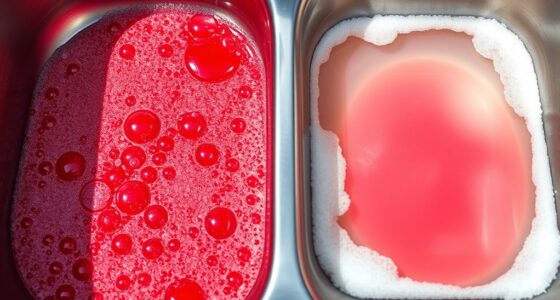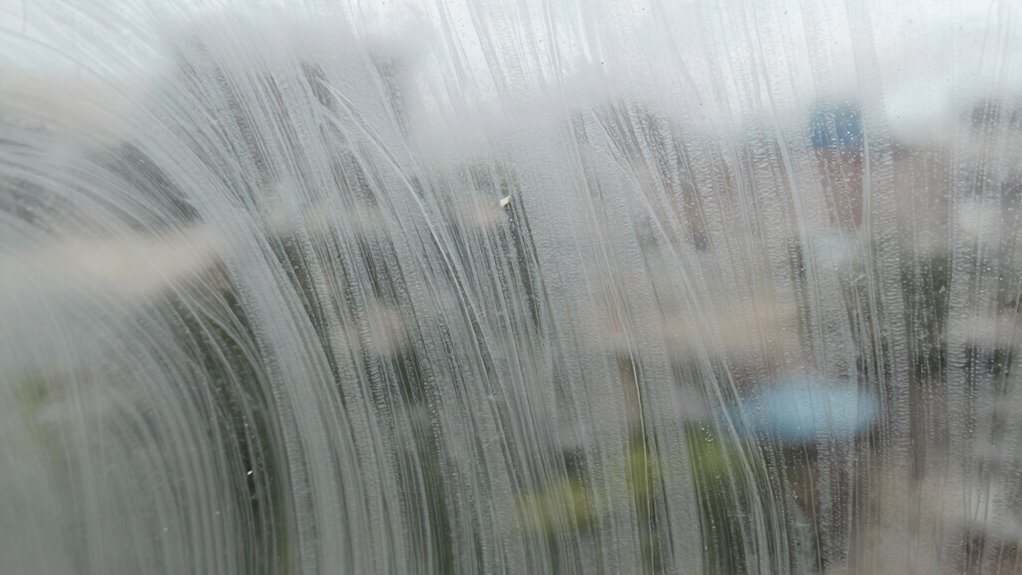

Some cleaners leave residue because their ingredients don’t fully evaporate or rinse away, especially if they’re thick, sticky, or not suited for the surface. Using too much product or applying it incorrectly can also make it harder to wipe off completely. Incompatible cleaners may leave a film, dulling the surface or causing streaks. To get a better shine and avoid buildup, understanding these factors can make a big difference—keep going to find out how to prevent this.

Get your next haul delivered free with Prime
- Fast, free delivery on millions of items
- Prime Video, Amazon Music and more included
- Member-only deals all year
Key Takeaways
- Ingredients that don’t fully evaporate or rinse away can leave a film on surfaces.
- Thick, sticky, or concentrated cleaners are harder to wipe off completely, causing residue.
- Incompatible cleaners may leave behind residues or streaks on specific surface types.
- Inadequate rinsing or wiping with a damp cloth can leave leftover cleaner or film.
- Using excess cleaner or improper application techniques increases the likelihood of residue buildup.
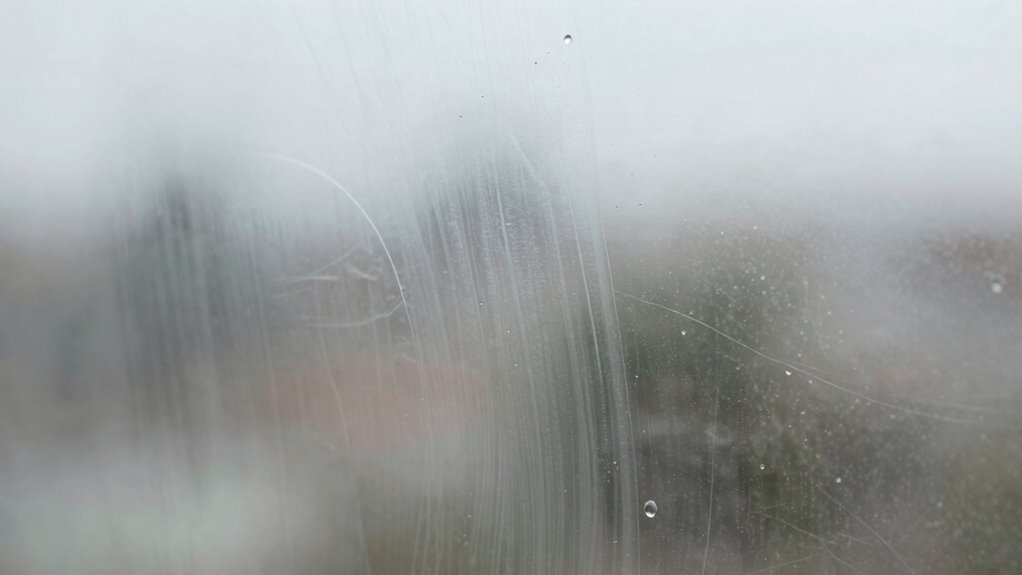
Many cleaning products leave behind stubborn residue that can dull surfaces and require additional effort to remove. This lingering film can be frustrating, especially when you’ve just finished cleaning, expecting a shiny, spotless finish. One common reason for residue buildup is the formulation of the cleaner itself. Some products contain ingredients that don’t fully evaporate or rinse away, leaving a film behind. This is often the case with cleaners that aren’t designed with surface compatibility in mind.
Many cleaners leave stubborn residue, dull surfaces, and require extra effort to achieve a spotless shine.
If you want to avoid this problem, it’s worth choosing products made with eco friendly ingredients. These ingredients are typically sourced sustainably and are less likely to leave behind harmful residues that can compromise the appearance and longevity of your surfaces. Eco friendly cleaners often rely on natural compounds that break down easily, leaving surfaces clean without the dull film that conventional cleaners might leave behind. When selecting a cleaner, always check whether it’s compatible with your surfaces. Surface compatibility is vital—what works well on glass might not be suitable for wood or granite. Using a product incompatible with your surface can result in streaks, dullness, or even damage, which can contribute to that residue problem.
You also need to think about how you’re applying and rinsing the cleaner. If you don’t rinse thoroughly or wipe with a damp cloth afterward, residues are more likely to remain. Sometimes, even eco friendly ingredients can leave a thin film if not properly wiped away, especially if the cleaner is thick or sticky. To prevent this, use a microfiber cloth that picks up residue effectively, and make sure to go over the surface multiple times if necessary. Proper rinsing techniques can significantly reduce the likelihood of leftover residue, especially when dealing with concentrated solutions. Additionally, understanding the formulation of cleaning products can help you select options that are less likely to leave residue. Being mindful of product ingredients can also guide you toward choices that dry faster and leave fewer traces.
Another factor is the concentration of the cleaner. Using too much can make it harder to rinse away completely, leaving behind a film. Follow the manufacturer’s instructions carefully, and dilute the cleaner appropriately. Overly concentrated solutions are more prone to residue issues because they don’t rinse cleanly. Additionally, understanding the formulation of cleaning products—such as surfactant levels—can help you choose options that are less likely to leave residue. Being aware of the ingredients’ evaporation rates can also help you select products that dry faster and leave fewer traces. It’s also helpful to consider the application method, as some techniques can reduce residue buildup.
In the end, selecting the right cleaner involves understanding your surfaces and choosing products that are both eco friendly and compatible. Proper application, thorough rinsing, and paying attention to instructions help guarantee you don’t end up with that unwanted residue. When you opt for surface-friendly, eco-conscious cleaners, you’re not just protecting the look of your surfaces—you’re also contributing to a healthier environment. By making these mindful choices, you can keep your surfaces spotless without the frustration of leftover residue.
Products Worth Considering

Roborock RockMow X130H Wire-Free 4WD Robot Lawn Mower

Philips Hue White and Color Ambiance Smart Retrofit Recessed LED Downlights, 5/6-Inch, 4-Pack

Dyson Ball Animal 3 Upright Vacuum
As an affiliate, we earn on qualifying purchases.
Frequently Asked Questions
Can Using Too Much Cleaner Cause Residue Buildup?
Yes, using too much cleaner can cause residue buildup because excess cleaner can leave behind chemical reactions that don’t fully rinse away. When you overuse cleaning products, it interferes with proper cleaning techniques, making it harder to remove all residues. To avoid this, use the recommended amount, follow instructions carefully, and guarantee you rinse thoroughly. This way, you prevent buildup and keep surfaces clean without leftover residue.
Does Cleaning With Cold Water Reduce Residue?
Cleaning with cold water is like trying to wash away stubborn stains with a gentle breeze; it might not be as effective. Cold water can reduce cleaning effectiveness, making it harder to dissolve dirt and grime, which increases residue buildup. For best residue prevention, use warm water, as it helps cleaners work better and leaves surfaces cleaner. Properly rinsing with warm water ensures a thorough clean and minimizes residue.
Are Certain Surfaces More Prone to Residue?
Certain surfaces are more prone to residue because their textures and materials interact differently with cleaning agents. Smooth, non-porous surfaces like glass or tile tend to clean more easily, while textured or porous surfaces, such as wood or certain plastics, can trap residue. Using strong cleaning agents or insufficient rinsing can leave behind residues, especially on surfaces with rough textures or deep pores. Always choose appropriate cleaners for each surface type for best results.
How Often Should I Switch Cleaning Brands?
Switch cleaning brands every few months to prevent buildup and keep your surfaces spotless. Regularly rotate cleaning tools to prevent residue from sticking and to promote residue prevention. Changing brands helps avoid chemical fatigue and guarantees you’re using effective, fresh formulas. By mixing up your cleaning routine, you’ll maintain a more thorough clean, reduce residue, and enjoy a sparkling space. Consistency and variety keep your cleaning game strong and surfaces spotless.
Does Residue Affect the Longevity of Surfaces?
Yes, residue can affect the longevity of surfaces. When cleaners leave behind film or buildup, it can lead to decreased surface durability over time. Residue may also cause material sensitivity, especially on delicate surfaces like wood or glass, leading to potential damage. To protect your surfaces, choose cleaners suited for specific materials and guarantee thorough rinsing or wiping to prevent residue accumulation that could compromise their lifespan.
Conclusion
Next time you wipe, remember that over 80% of cleaners can leave behind tiny residues, invisible to the naked eye. These lingering particles can attract dirt and grime, making your surfaces look dull faster. So, don’t rush—use the right products and techniques to leave your space truly spotless. A quick, thorough wipe can save you time in the long run and keep your home cleaner longer. Clean smarter, not harder!