Heat protection works by using materials that block, reflect, or absorb heat to keep environments safe and comfortable. Thermal insulation, like foam or reflective barriers, traps air or reflects radiant heat, slowing heat transfer and preventing overheating. In high-temperature areas, heat-resistant materials like refractory bricks withstand extreme temperatures without degrading. Proper installation maximizes their effectiveness, reducing heat gain and protecting property. Keep exploring to discover how these systems keep you safe and energy-efficient during hot conditions.
Key Takeaways
- Thermal insulation traps air or reflective surfaces to reduce heat transfer between indoor and outdoor environments.
- Materials like foam, fiberglass, and mineral wool act as barriers to slow heat flow.
- Reflective barriers deflect radiant heat using shiny surfaces to prevent heat absorption.
- Heat resistant materials withstand high temperatures without degrading, protecting structures from heat damage.
- Proper installation of insulation and heat-resistant materials enhances overall heat protection and energy efficiency.

Have you ever wondered how to stay safe during extreme heat? When temperatures soar, your body needs help to stay cool and your surroundings must be designed to resist the intense heat. That’s where heat protection strategies come into play, especially through the use of thermal insulation and heat resistant materials. These materials act as barriers, reducing the transfer of heat from the environment to your living or working spaces. Thermal insulation, for example, is crafted to slow down heat flow, keeping indoor temperatures more stable and comfortable. It’s commonly used in walls, roofs, and floors to prevent heat from penetrating during the summer months. Heat resistant materials are often employed in areas exposed to high temperatures, such as kitchens, industrial facilities, or exterior surfaces of buildings, to withstand intense heat without degrading or losing their protective qualities. When you’re exposed to extreme heat, your goal is to minimize heat gain and prevent overheating, and these materials help you achieve that effectively. Proper installation of insulation is crucial to ensure maximum effectiveness and energy efficiency. In practical terms, thermal insulation works by trapping air within its structure, which acts as a cushion against heat transfer. Think of it like a cozy layer that keeps the heat out during the day and retains coolness inside. Modern thermal insulations are made from a variety of materials, including foam, fiberglass, mineral wool, and reflective barriers. These materials are engineered to reflect, absorb, or block heat, depending on their specific properties. For instance, reflective barriers use shiny surfaces to deflect radiant heat away from your home or building, while foam insulations absorb and slow down heat transfer. Using these materials properly in construction or retrofitting can make a significant difference in maintaining safe indoor temperatures during heat waves. Heat resistant materials are particularly essential in environments where high temperatures are routine, such as industrial kitchens, factories, or outdoor structures exposed to direct sunlight. These materials can withstand extreme heat without melting, warping, or releasing harmful fumes. Materials like refractory bricks, certain metals, and specialized composites are designed specifically for such conditions. When you incorporate heat resistant materials into your property, you’re effectively creating a barrier that prevents heat from causing damage or discomfort. This not only protects your property but also enhances safety by reducing the risk of fire or structural failure due to excessive heat exposure.

Xenjum Garage Door Insulation Kit, Pre-Cut 6MM Thick EPE Foam with Double Aluminum Foil, Energy Saving Insulation Panels, Heat & Cold Barrier, Easy DIY Install with Tape & Scraper (24" x 48", 8 PCS)
- Temperature Regulation: Keeps garage cooler in summer, warmer in winter
- Reflective Technology: Reflects 97% of radiant heat for efficiency
- Triple-Layer Design: Foil + EPE + Foil for optimal insulation
As an affiliate, we earn on qualifying purchases.
As an affiliate, we earn on qualifying purchases.
Frequently Asked Questions
How Long Does Heat Protection Typically Last?
Heat protection typically lasts for about 24 to 48 hours, depending on product ingredients and application techniques. If you use a high-quality heat protectant and apply it evenly, it can offer longer-lasting defense. Reapply before styling or heat exposure, especially if you wash your hair frequently. Proper application techniques, like distributing the product thoroughly and avoiding overuse, help maximize its effectiveness and prolong protection.
Are Heat Protectants Safe for All Hair Types?
Yes, heat protectants are generally safe for all hair types, but it’s important to check their chemical composition. Some formulas contain ingredients that may not suit sensitive or damaged hair. If you’re concerned, look for natural alternatives like argan oil or coconut oil, which offer heat protection without harsh chemicals. Always do a patch test first, especially if your hair is particularly fragile or chemically treated.
Can Heat Protection Damage Over Time?
Like a shield that weakens over time, heat protection can diminish if you don’t use it properly. Repeated use might lead to product buildup, which can weigh down your hair and cause damage. However, if you choose products with safe ingredients and avoid over-application, you minimize risks. Over time, improper use can cause damage, so always follow instructions and give your hair breaks from heat styling to keep it healthy.
How Often Should I Reapply Heat Protection?
You should reapply heat protection whenever you plan to use heat styling tools again, typically every 15-30 minutes. Check your product ingredients to guarantee it’s suitable for frequent use. Follow application tips by evenly distributing the product through damp or dry hair, focusing on the mid-lengths and ends. Reapplying helps maintain protection and prevents damage, especially if you’re styling hair multiple times in one day.
Does Heat Protection Work With All Styling Tools?
Yes, heat protection works with all styling tools because it creates a thermal barrier that reduces heat absorption by your hair. When you apply it before using curling irons, straighteners, or blow dryers, it helps shield your strands from high temperatures. As a result, your hair stays healthier and less prone to damage. Just remember to reapply as needed for continuous protection during styling.
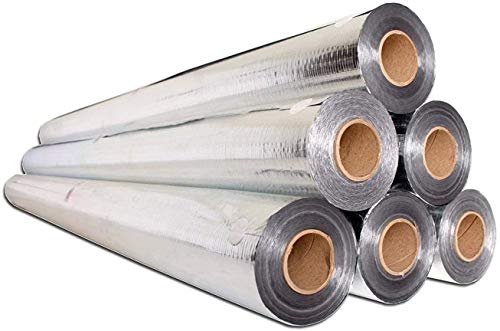
US Energy Products Radiant Barrier Insulation 1000 sqft (4ft Wide) Commercial Grade Perforated No Tear Green Energy Radiant Barrier Reflective Insulation Solar Attic Foil Roof House Wrap SCIF RIFD
- Coverage Area: 1000 sq ft per roll
- Roll Dimensions: 250 ft x 4 ft
- Reflective Value: 99.7% reflective
As an affiliate, we earn on qualifying purchases.
As an affiliate, we earn on qualifying purchases.
Conclusion
So, next time you worry about heat damage, remember that proper heat protection forms a barrier, keeping your hair safe and healthy. Some might think it’s unnecessary or time-consuming, but investing a little effort guarantees your style stays flawless and your hair stays strong. Don’t let heat ruin your look—use protection, and enjoy beautiful, healthy hair every day. After all, a little prep goes a long way to keep your hair looking its best.

Tenon Refractory Mortar – High Temperature Mix for Fireplaces, Fire Pits, Chimneys, Parging, Brick, Clay, and More, White in Color, High Heat Resistance, Up to 2550°F (1, 10 Pounds)
- Ready to Use: Preblended, just add water
- Indoor and Outdoor Use: Suitable for fireplaces, fire pits, and chimneys
- Extended Working Time: Provides 1 hour to work before hardening
As an affiliate, we earn on qualifying purchases.
As an affiliate, we earn on qualifying purchases.

BuyUneed Heat Shield Aluminum Foil Mat None-Adhesive 190 mil-12" x 24"
- High-Temperature Resistant Material: Ceramic fiber and aluminum foil construction
- Withstands Up to 2300℉: Ceramic fiber layer endures high heat
- Reflects 97% of Radiant Heat: Aluminum foil layer enhances insulation
As an affiliate, we earn on qualifying purchases.
As an affiliate, we earn on qualifying purchases.