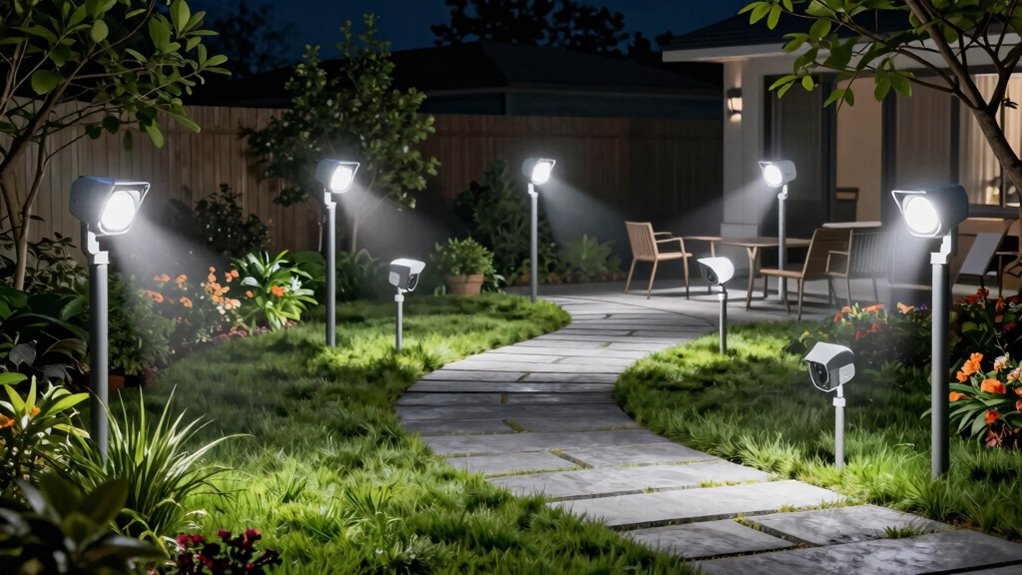

The Reolink Duo Floodlight PoE 4K stands out as the best overall choice for its seamless power-over-ethernet setup and sharp 4K clarity, while the Ring Floodlight Cam 4K Plus offers unmatched smart home integration for existing Ring users. The Reolink 4K 8MP Dual-Lens model provides a unique 180-degree panoramic view that eliminates blind spots common in single-lens designs. Most buyers struggle to balance local storage privacy against the convenience of cloud subscriptions and app ecosystems. This guide breaks down these tradeoffs to help you select the right outdoor floodlight camera 4k for your specific security needs.

Get your next haul delivered free with Prime
- Fast, free delivery on millions of items
- Prime Video, Amazon Music and more included
- Member-only deals all year
Key Takeaways
- Reolink dominates the value segment by offering local storage options that avoid monthly fees, whereas Ring requires a subscription for most advanced features.
- True 4K resolution (8MP) is becoming standard in premium models, but 2K options like the Arlo and Ring Pro still offer sufficient detail for most residential perimeters.
- Power-over-Ethernet (PoE) models like the Reolink Duo provide more reliable connectivity and single-cable installation compared to Wi-Fi-only alternatives.
- Dual-lens or panoramic designs significantly reduce blind spots compared to traditional single-lens floodlights, offering wider coverage without needing multiple units.
- Night vision quality varies widely, with color night vision in models like the gdend and Ring Pro providing better identification details than standard infrared black-and-white footage.
| Reolink Duo Floodlight PoE 4K Security Camera |  | Best for Wired Stability | Resolution: 4K (8 MP) | Viewing Angle: 180 degrees | Frame Rate: 20 FPS | VIEW ON AMAZON | See Our Full Breakdown |
| Reolink 4K 8MP Floodlight Security Camera with 180° Dual-Lens |  | Best Wireless Performance | Resolution: 8 MP (4K UHD) | Field of View: 180° | Digital Zoom: 10× | VIEW ON AMAZON | See Our Full Breakdown |
| gdend Wired 3K UHD Floodlight Security Camera with Color Night Vision |  | Best Budget Value | Video Resolution: 1296p (Advertised as 3K UHD) | Floodlight Brightness: 2200 lumens | Light Coverage: 270° adjustable | VIEW ON AMAZON | See Our Full Breakdown |
| REOLINK Elite Floodlight WiFi 4K 8MP 180° Panoramic Wired Floodlight Camera |  | Best Premium Brightness | Resolution: 8 MP (4K Ultra HD) | Viewing Angle: 180° | Floodlight Brightness: Adjustable up to 3000 lumens | VIEW ON AMAZON | See Our Full Breakdown |
| Ring Floodlight Cam 4K Plus Plug-In, Retinal 4K Motion-Activated Floodlights, 3D Motion Detection, White |  | Best for Ecosystem Integration | Video Resolution: Retinal 4K | Zoom: 10x Enhanced Zoom | Motion Detection: Radar-powered 3D Motion Detection | VIEW ON AMAZON | See Our Full Breakdown |
| Ring Floodlight Cam 4K Plus Wired |  | Best Premium 4K Clarity | Video Resolution: Retinal 4K | Zoom Capability: 10x Enhanced Zoom | Motion Detection: Radar-powered 3D Motion Detection | VIEW ON AMAZON | See Our Full Breakdown |
| Ring Floodlight Cam Wired Pro (2K) |  | Best for Alexa Integration | Video Resolution: Retinal 2K | Night Vision: Color Night Vision | Floodlight Brightness: 2000 Lumens | VIEW ON AMAZON | See Our Full Breakdown |
| Swann 4K Floodlight Camera |  | Best Local Storage Value | Video Resolution: 4K Ultra-HD | Field of View: 115° | Night Vision Range: 30 meters (100 ft) | VIEW ON AMAZON | See Our Full Breakdown |
| Arlo Wired Floodlight Camera (2K HDR) |  | Best for Wide-Angle Coverage | Video Resolution: 2K HDR | Field of View: 160° | Floodlight Brightness: Up to 2000 Lumens | VIEW ON AMAZON | See Our Full Breakdown |
| outdoor floodlight camera 4k | Video Resolution | Floodlight Brightness | Power Source |
|---|---|---|---|
| Reolink Duo Floodlight PoE 4K | — | — | — |
| Reolink 4K 8MP Floodlight Secu | — | — | — |
| gdend Wired 3K UHD Floodlight | 1296p (Advertised as 3K UHD) | 2200 lumens | — |
| REOLINK Elite Floodlight WiFi | — | Adjustable up to 3000 lumens | — |
| Ring Floodlight Cam 4K Plus Pl | Retinal 4K | — | Plug-in (standard outlet) |
| Ring Floodlight Cam 4K Plus Wi | Retinal 4K | — | Wired |
| Ring Floodlight Cam Wired Pro | Retinal 2K | 2000 Lumens | Wired |
| Swann 4K Floodlight Camera | 4K Ultra-HD | 2600 Lumens | Corded Electric |
| Arlo Wired Floodlight Camera | 2K HDR | Up to 2000 Lumens | Hardwired |
More Details on Our Top Picks
Reolink Duo Floodlight PoE 4K Security Camera
This model stands out for its Power over Ethernet (PoE) architecture, which simplifies installation by delivering both data and power through a single cable. Compared to the Ring Floodlight Cam 4K Plus Plug-In, which relies on Wi-Fi and a separate power adapter, the Reolink Duo offers a more stable, interference-resistant connection ideal for large properties. The dual-lens 180° view eliminates the need for multiple cameras covering one area, providing seamless 4K coverage without the stitching artifacts common in software-stitched panoramas. However, this reliability comes at the cost of flexibility; you cannot mount this anywhere without running an Ethernet line or buying a PoE injector. It is a fixed installation solution, not a plug-and-play gadget.
Pros:- Single-cable PoE installation reduces wiring clutter
- Seamless 180° panoramic view eliminates blind spots
- Smart detection minimizes false alarms from pets or leaves
Cons:- Requires a PoE switch, injector, or NVR (not included)
- 20 FPS frame rate is lower than some competitors
- Fixed wall-mount design limits placement flexibility
Best for: Homeowners with existing Ethernet infrastructure who prioritize network stability over wireless convenience
Not ideal for: Renters or homeowners without easy access to run cables, as the PoE requirement limits placement options
- Resolution:4K (8 MP)
- Viewing Angle:180 degrees
- Frame Rate:20 FPS
- Connectivity:PoE (Power over Ethernet)
- Floodlight Output:1800 Lumens
- Detection Features:Human, Vehicle, Pet
- Mount Type:Wall Mount
Our verdict“Choose this if you want rock-solid wired performance and have the infrastructure to support it.”
Reolink 4K 8MP Floodlight Security Camera with 180° Dual-Lens
This camera bridges the gap between high-end specs and wireless convenience. Unlike the Reolink Duo Floodlight PoE, which demands a wired connection, this unit uses Dual-band Wi-Fi 6 to maintain low-latency streaming without cabling headaches. The 180° dual-lens array provides the same panoramic coverage as its wired sibling, but the addition of 10x digital zoom adds utility for identifying distant subjects. It is significantly better suited for modern homes with strong mesh networks than older Wi-Fi 5 devices. The tradeoff is power dependency; it requires a constant AC outlet, meaning you cannot place it in remote garden spots without extension cords or battery packs.
Pros:- Dual-band Wi-Fi 6 ensures smooth, low-latency streaming
- 180° panoramic view with 10x digital zoom for detail
- IP67 rating provides superior weather resistance compared to IP65 models
Cons:- Requires constant AC power; no battery backup option
- Limited to wall-mount installation, reducing placement flexibility
- No local storage option mentioned in primary specs (relies on NVR/Cloud)
Best for: Users with robust Wi-Fi 6 networks who want panoramic 4K coverage without running Ethernet cables
Not ideal for: Those in areas with weak Wi-Fi signals or no nearby outdoor electrical outlets
- Resolution:8 MP (4K UHD)
- Field of View:180°
- Digital Zoom:10×
- Floodlight Lumen Output:1800 lumens
- Wi-Fi:Dual-band Wi-Fi 6
- Weather Resistance:IP67
- Power Supply:AC 100-240 V
Our verdict“This is the best choice for wireless users who need wide-angle coverage and fast connectivity.”
gdend Wired 3K UHD Floodlight Security Camera with Color Night Vision
This option makes the most sense for buyers who want local storage without monthly fees. Unlike the Ring Floodlight Cam 4K Plus, which locks advanced features behind a Ring Protect subscription, the gdend camera includes a 64 GB SD card and operates independently. It offers a compelling value proposition with 2200 lumens of brightness—brighter than the 1800-lumen Reolink models—and a loud 105 dB siren. However, the resolution claim requires scrutiny; while marketed as 3K, the specs list 1296p, which is roughly 2K. It is a solid budget deterrent for driveways, but it does not match the crisp 8MP detail of the premium Reolink or Ring units.
Pros:- Includes 64 GB local storage with no monthly subscription fees
- Bright 2200-lumen floodlights exceed many competitors
- IP65 weatherproofing handles rain and dust effectively
Cons:- Actual video resolution is 1296p, conflicting with ‘3K UHD’ marketing
- Requires wired power; not battery-operated
- Wi-Fi connectivity may struggle in congested 2.4 GHz bands
Best for: Budget-conscious buyers who want local recording and high brightness without subscription costs
Not ideal for: Users demanding true 4K (8MP) resolution for identifying fine facial details at a distance
- Video Resolution:1296p (Advertised as 3K UHD)
- Floodlight Brightness:2200 lumens
- Light Coverage:270° adjustable
- Siren Volume:105 dB
- Storage:64 GB SD card included
- Weather Resistance:IP65
- Connectivity:Wired; Wi-Fi 2.4/5 GHz
Our verdict“A great value pick for those prioritizing local storage and brightness over maximum resolution.”
REOLINK Elite Floodlight WiFi 4K 8MP 180° Panoramic Wired Floodlight Camera
If illumination is your primary concern, this unit leads the pack with 3000 lumens of adjustable brightness, significantly outshining the Reolink 4K 8MP Floodlight and its 1800-lumen output. The 180° panoramic 4K view remains a strong selling point, but the real differentiator here is the sheer power of the floodlight, which can illuminate a large driveway or backyard effectively. It supports Wi-Fi 6 for stable streaming and offers flexible storage options including microSD and NVRs. The main drawback is the missing power adapter, forcing an additional purchase and complicating the ‘plug-and-play’ promise. It is a high-performance tool for large properties that need serious light and resolution.
Pros:- Adjustable 3000-lumen floodlight is the brightest in this lineup
- No subscription required for AI detection and local storage
- Dual-band Wi-Fi 6 ensures stable, fast connectivity
Cons:- Power adapter not included; requires separate purchase
- Large form factor may be visually intrusive on smaller facades
- Higher price point compared to budget alternatives
Best for: Owners of large properties who need maximum illumination and high-resolution coverage
Not ideal for: Users who want a complete out-of-the-box solution, as the power adapter is sold separately
- Resolution:8 MP (4K Ultra HD)
- Viewing Angle:180°
- Floodlight Brightness:Adjustable up to 3000 lumens
- Night Vision:Color night vision
- WiFi:Dual-Band Wi-Fi 6
- Siren Volume:105 dB
- Storage Support:Up to 512 GB microSD, NVR, Home Hub
Our verdict“The best choice for large areas requiring intense lighting and premium 4K clarity.”
Ring Floodlight Cam 4K Plus Plug-In, Retinal 4K Motion-Activated Floodlights, 3D Motion Detection, White
This camera is the definitive choice for users already invested in the Ring ecosystem. Its Radar-powered 3D Motion Detection offers a level of precision that standard PIR sensors on the gdend Wired 3K UHD cannot match, reducing false alerts from wind or small animals. The Retinal 4K video with 10x enhanced zoom provides exceptional clarity, though the quality can fluctuate with internet bandwidth. Unlike the subscription-free Reolink options, Ring’s full feature set—including advanced motion zones and recording history—requires a Ring Protect subscription. This ongoing cost is the primary tradeoff, but for those who value seamless integration with Alexa and other Ring devices, the convenience outweighs the fee.
Pros:- Radar-powered 3D motion detection reduces false alerts significantly
- Retinal 4K video with 10x enhanced zoom offers high clarity
- Plug-in design ensures continuous power without battery management
Cons:- Full feature set requires a paid Ring Protect subscription
- Video quality may vary with internet bandwidth and device temperature
- Limited flexibility if you do not use the Ring app/ecosystem
Best for: Existing Ring users who want seamless integration with Alexa and other smart home devices
Not ideal for: Users who are allergic to monthly subscription fees for basic security features
- Video Resolution:Retinal 4K
- Zoom:10x Enhanced Zoom
- Motion Detection:Radar-powered 3D Motion Detection
- Power Source:Plug-in (standard outlet)
- Floodlight:Ultra-bright motion-activated
- Audio/Video:Two-way talk with Live View
- Subscription:Ring Protect required for full features
Our verdict“Ideal for Ring loyalists who prioritize ecosystem synergy over subscription-free operation.”
Ring Floodlight Cam 4K Plus Wired
This model stands out for its Retinal 4K resolution and 10x enhanced zoom, offering significantly more detail than the 2K options from Arlo or the standard Ring Pro. The radar-powered 3D motion detection is a major differentiator, reducing false alerts from wind or animals better than standard PIR sensors found on the Swann 4K Floodlight Camera. However, the wired installation adds complexity compared to plug-in alternatives, and the full feature set locks behind a Ring Protect subscription. While the image quality is superior, the cost of ownership over time is higher than local-storage competitors. It is best suited for users who prioritize facial recognition clarity over budget flexibility.Pros:- Retinal 4K video provides exceptional detail for identification
- Radar-based 3D motion detection significantly cuts false alarms
- 10x enhanced zoom allows closer inspection without losing clarity
- Integrated siren and floodlights offer strong active deterrence
Cons:- Requires a wired electrical connection, limiting placement options
- Full cloud storage and advanced features need a paid subscription
- Higher total cost of ownership compared to local-storage models
Best for: Homeowners prioritizing maximum facial detail and precise motion filtering who already live in the Ring ecosystem.
Not ideal for: Renters or those unwilling to run hardwired electrical connections or pay ongoing subscription fees for core features.
- Video Resolution:Retinal 4K
- Zoom Capability:10x Enhanced Zoom
- Motion Detection:Radar-powered 3D Motion Detection
- Lighting:Motion-activated ultra-bright floodlight
- Audio Features:Two-Way Talk and Built-in Siren
- Power Source:Wired
- Ecosystem Compatibility:Ring App and Alexa
Our verdict“Choose this if you want the sharpest 4K image and smartest motion alerts within the Ring ecosystem, regardless of subscription costs.”
Ring Floodlight Cam Wired Pro (2K)
While it lacks the 4K resolution of the Ring Floodlight Cam 4K Plus, this Retinal 2K model offers a compelling balance of performance and price. The 2000-lumen floodlights are bright enough for most driveways, and color night vision ensures usable footage after dark. Its 3D Motion Detection matches the higher-end Ring models, providing reliable alerts without the premium price tag. Compared to the Arlo Wired Floodlight Camera, this device integrates more deeply with Alexa devices, allowing voice commands to view feeds directly on Echo Show screens. It is a solid choice for those who want Ring’s ecosystem benefits without paying for 4K specs.Pros:- Retinal 2K video with color night vision for clear low-light footage
- Deep integration with Alexa devices for voice-controlled viewing
- 3D Motion Detection reduces false alerts compared to basic PIR sensors
- 110 dB siren provides audible deterrence for intruders
Cons:- Lower resolution than 4K competitors like the Swann or Ring 4K Plus
- Requires wired installation and a Ring Protect plan for video history
- Subscription fees are necessary for most useful features
Best for: Alexa-centric households wanting reliable 2K security with strong ecosystem integration and color night vision.
Not ideal for: Users who demand 4K clarity for license plate reading or those who dislike subscription-based video storage.
- Video Resolution:Retinal 2K
- Night Vision:Color Night Vision
- Floodlight Brightness:2000 Lumens
- Motion Detection:3D Motion Detection
- Audio Features:Two-Way Talk with Audio+ and 110 dB Siren
- Power Source:Wired
- Smart Home Compatibility:Alexa-enabled devices
Our verdict“Ideal for Alexa users who want reliable 2K security with excellent ecosystem features, without the premium cost of 4K.”
Swann 4K Floodlight Camera
This camera distinguishes itself by including a 32GB Micro SD card and supporting local storage, avoiding the mandatory subscription fees associated with Ring and Arlo. The 4K Ultra-HD resolution rivals the Ring 4K Plus, offering crisp details for a lower ongoing cost. With a 115° field of view and 30-meter color night vision, it covers large areas effectively. However, the app interface is less polished than Ring’s, and the wired installation requires similar electrical work as its competitors. It is a pragmatic choice for buyers who want high resolution and own their footage without monthly bills, trading app sophistication for financial independence.Pros:- True 4K Ultra-HD resolution for detailed surveillance
- Includes 32GB microSD card for immediate local recording
- No mandatory subscription required for basic video storage
- Weatherproof design with color night vision up to 30 meters
Cons:- App user experience is less refined than Ring or Arlo
- Included 32GB card fills up quickly with 4K footage
- Wired installation requires electrical knowledge or professional help
Best for: Cost-conscious buyers who want 4K resolution and local storage without recurring subscription fees.
Not ideal for: Users who prioritize a slick, intuitive mobile app experience or want seamless smart home voice integration.
- Video Resolution:4K Ultra-HD
- Field of View:115°
- Night Vision Range:30 meters (100 ft)
- Floodlight Brightness:2600 Lumens
- Storage:32GB Micro SD included, Cloud optional
- Audio Features:2-Way Audio and Smart Siren
- Power Source:Corded Electric
Our verdict“A strong value pick for those wanting 4K clarity and local storage, accepting a less polished app in exchange for no monthly fees.”
Arlo Wired Floodlight Camera (2K HDR)
The 160° field of view sets this Arlo model apart from the narrower lenses of the Swann 4K and standard Ring cams, allowing it to monitor broader areas like long driveways. 2K HDR video handles high-contrast scenes, such as bright headlights against dark shadows, better than non-HDR competitors. It supports Apple Home and Google Home, offering flexibility for mixed-ecosystem homes. However, it is USA-only and requires a hardwired junction box, which can be a barrier for DIYers. While the initial hardware cost is competitive, the paid subscription is necessary for the valuable 60-day cloud history, making long-term costs similar to Ring.Pros:- Wide 160° field of view covers more area per camera
- 2K HDR video improves visibility in high-contrast lighting
- Compatible with Apple Home, Google Home, and Alexa
- 2000-lumen floodlight provides substantial illumination
Cons:- Restricted to use in the USA due to regional restrictions
- Requires a paid subscription for extended cloud video history
- Hardwired installation demands a compatible junction box
Best for: Users with wide monitoring areas who want HDR video and compatibility with multiple smart home platforms.
Not ideal for: International users (USA-only) or those without existing hardwired junction boxes for installation.
- Video Resolution:2K HDR
- Field of View:160°
- Floodlight Brightness:Up to 2000 Lumens
- Night Vision:Color
- Smart Home Compatibility:Alexa, Google Home, Apple Home, SmartThings
- Power Source:Hardwired
- Region Restriction:USA Only
Our verdict“Best suited for US-based homeowners needing wide-angle HDR coverage and flexible smart home integration, despite subscription requirements.”

How We Picked
I selected these nine models based on their ability to deliver clear 4K imagery in low-light conditions, a primary concern for any outdoor floodlight camera 4k. I prioritized devices with robust weather resistance ratings (IP65 or higher) and evaluated their power methods, distinguishing between easy-to-install plug-in models and more permanent hardwired or PoE solutions. The ranking logic favors systems that offer a balance of high-resolution video, effective motion detection, and practical storage solutions, whether local or cloud-based.
Comparative analysis focused on how each camera handles common pain points such as false alerts, connectivity drops, and subscription costs. I also weighed the ecosystem compatibility, noting which devices integrate seamlessly with existing smart home hubs versus those that operate as standalone security tools. This approach ensures the recommendations address both technical performance and long-term usability for different types of homeowners.
| outdoor floodlight camera 4k | Power Source |
|---|---|
| Reolink Duo Floodlight PoE 4K | — |
| Reolink 4K 8MP Floodlight Secu | — |
| gdend Wired 3K UHD Floodlight | — |
| REOLINK Elite Floodlight WiFi | — |
| Ring Floodlight Cam 4K Plus Pl | Plug-in (standard outlet) |
| Ring Floodlight Cam 4K Plus Wi | Wired |
| Ring Floodlight Cam Wired Pro | Wired |
| Swann 4K Floodlight Camera | Corded Electric |
| Arlo Wired Floodlight Camera | Hardwired |
Factors to Consider When Choosing Outdoor Floodlight Camera 4k
Choosing the right security light involves more than just pixel count. I want to help you navigate the specific technical and practical factors that differentiate these cameras.Resolution vs. Bandwidth and Storage
While 4K resolution offers incredible detail, it generates massive file sizes that can strain home networks and fill storage cards quickly. A common mistake is assuming higher resolution always means better security; if your upload speed is slow, 4K footage may buffer or drop frames, rendering it less useful than a stable 2K stream. Consider your internet plan’s upload speed and your willingness to manage storage. If you opt for cloud storage, verify if the provider compresses 4K footage to save bandwidth, as this can negate the visual benefits of the higher resolution. For local storage, ensure your microSD card or NVR has sufficient capacity to retain footage for your desired timeframe without constant overwriting.
Power Source and Installation Complexity
The distinction between plug-in, hardwired, and Power-over-Ethernet (PoE) models dictates installation difficulty and reliability. Plug-in units are easiest for renters or temporary setups but require accessible outlets and rely on Wi-Fi stability. Hardwired models offer cleaner aesthetics and reliable power but usually require an electrician. PoE cameras, like the Reolink Duo, transmit both power and data over a single Ethernet cable, offering the most robust connection for remote areas of your property. I recommend PoE for permanent installations where Wi-Fi signals are weak, as it eliminates the risk of wireless interference affecting your security feed.
Local Storage vs. Cloud Subscriptions
Privacy and long-term cost are the primary drivers behind the local vs. cloud debate. Brands like Reolink and Swann often allow free local recording via SD cards or NVRs, giving you full control over your data without recurring fees. Conversely, Ring and Arlo rely heavily on cloud subscriptions for video history and advanced features like person detection. While cloud storage protects against theft of the physical camera, it creates a dependency on the service provider. If you value privacy and want to avoid monthly bills, prioritize cameras with robust local storage options. If you prefer convenience and remote access without managing hardware, a subscription-based model might be worth the ongoing cost.
Field of View and Blind Spots
Standard floodlight cameras typically offer a 140 to 160-degree field of view, which can leave blind spots at the edges of your driveway or yard. Dual-lens or panoramic models, such as the Reolink 180-degree options, address this by stitching two feeds together or using a wide-angle lens to cover a broader area. This is particularly valuable for wide driveways or corner properties where a single camera would miss activity. Assess your property layout before buying; a wide-angle lens reduces the need for multiple cameras, potentially saving money on hardware and installation despite the higher upfront cost of the panoramic unit.
Smart Home Integration and Alerts
If you already own a smart home ecosystem, integration compatibility can streamline your experience. Ring cameras work best within the Ring and Alexa ecosystem, offering features like doorbell chimes and shared viewing. Reolink and Arlo offer broader compatibility with platforms like Home Assistant or generic RTSP streams, appealing to users who prefer custom automation. Consider how you want to be alerted: do you need instant push notifications to your phone, or do you prefer a centralized hub? Evaluate whether the camera’s app is intuitive for your daily use, as a cumbersome interface can lead to missed alerts or ignored notifications, undermining the system’s effectiveness.
Frequently Asked Questions
Is 4K resolution necessary for a floodlight camera, or is 2K sufficient?
4K resolution is beneficial if you need to identify fine details like license plates or facial features from a distance. However, for most residential applications, 2K resolution provides ample clarity for general monitoring and motion detection. The tradeoff is that 4K files are larger, requiring more storage space and potentially higher bandwidth for live viewing. If your primary goal is deterrence and general awareness, a high-quality 2K camera with good night vision may offer better value and smoother performance than a budget 4K model that struggles with compression.
Can I install a hardwired floodlight camera myself, or do I need an electrician?
While experienced DIYers with electrical knowledge can install hardwired cameras, I strongly recommend hiring a licensed electrician for permanent wiring. Hardwired units must connect to your home’s electrical circuit, which involves working with live wires and ensuring code compliance. Incorrect installation poses safety risks and can void warranties. If you are uncomfortable with electrical work, consider plug-in models that use existing outlets or Wi-Fi cameras with rechargeable batteries, which offer similar placement flexibility without the need for electrical modifications.
How does Power-over-Ethernet (PoE) differ from Wi-Fi in terms of reliability?
PoE delivers a stable, wired connection that is immune to Wi-Fi interference, signal dropouts, and bandwidth congestion. This makes it ideal for homes with large yards or thick walls where wireless signals weaken. Unlike Wi-Fi cameras that depend on your router’s performance, PoE cameras maintain a consistent feed and power supply through a single cable. However, PoE requires running Ethernet cables from your router or switch to the camera location, which is more labor-intensive to install than mounting a wireless unit. Choose PoE for reliability in permanent installations where network stability is a priority.
Will a floodlight camera work effectively during heavy rain or snow?
Most reputable outdoor floodlight cameras carry an IP65 or IP66 rating, meaning they are dust-tight and protected against water jets from any direction. This allows them to function reliably in rain, snow, and sleet. However, heavy precipitation can sometimes trigger false motion alerts due to moving shadows or water droplets on the lens. Look for cameras with adjustable sensitivity settings and AI-powered person detection to filter out environmental noise. Regular cleaning of the lens is also necessary to maintain clear visibility during wet weather conditions.
Do I need a subscription to view recorded footage on these cameras?
This depends entirely on the brand and storage method. Cameras from Reolink, Swann, and gdend typically offer free local storage via microSD cards or network video recorders (NVRs), allowing you to review footage without monthly fees. In contrast, Ring and Arlo require a paid subscription plan to access recorded video history and advanced cloud features. If you want to avoid recurring costs, prioritize cameras with local storage options. If you prefer cloud convenience and are willing to pay for it, subscription-based models often offer easier remote access and backup redundancy.
Conclusion
For most users seeking a balance of performance and privacy, the Reolink Duo Floodlight PoE 4K is the best overall pick due to its reliable wired connection and local storage flexibility. If you are deeply invested in the Alexa ecosystem and prioritize ease of use over local privacy, the Ring Floodlight Cam 4K Plus remains the best premium choice for seamless integration. For those on a tighter budget who still want high-resolution clarity, the gdend Wired 3K UHD Floodlight offers impressive color night vision without the premium price tag. Ultimately, your decision should hinge on your installation comfort level and whether you prefer the control of local storage or the convenience of cloud services.