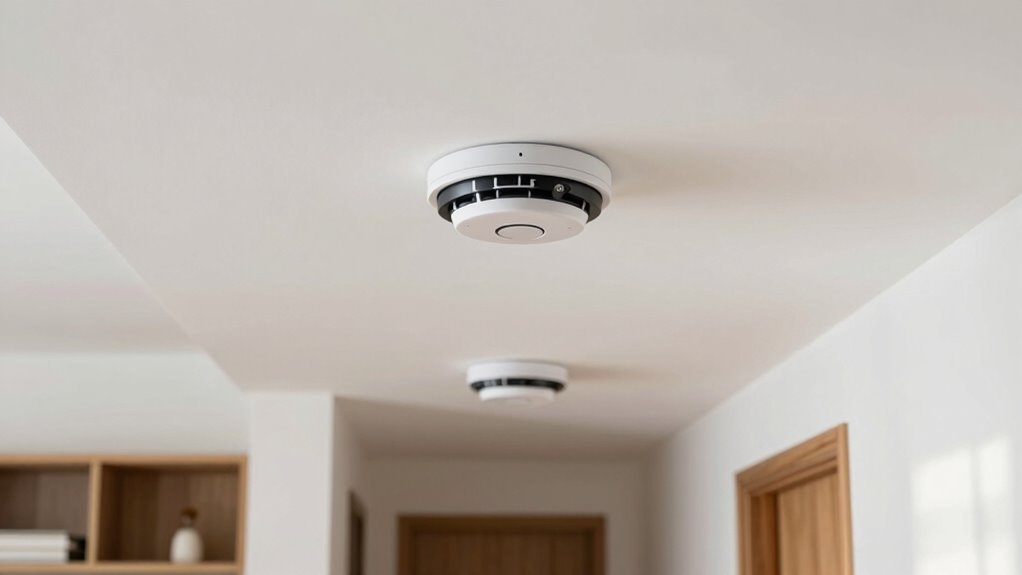

To maximize safety, place your smart smoke and CO detectors in key areas like bedrooms, hallways, and common spaces, avoiding kitchens and bathrooms with steam. Keep detectors at least 20 feet apart to prevent false alarms and near sleeping zones for quick alerts. Make sure they’re within range of your Wi-Fi or mesh network for reliable connectivity. Proper placement is essential—continue to explore tips that help you set them up effectively and keep your home safe.
Key Takeaways
- Install detectors on every level, especially near bedrooms and sleeping areas for quick detection.
- Place detectors at least 20 feet apart to prevent false alarms and ensure effective coverage.
- Avoid installing in kitchens or bathrooms with steam, fumes, or high humidity to minimize false triggers.
- Ensure detectors are within range of Wi-Fi or Zigbee/Z-Wave networks for reliable connectivity.
- Position detectors where batteries are accessible for easy replacement and regular maintenance.

Smart smoke and CO detectors are revolutionizing home safety by providing instant alerts and real-time updates to your smartphone. These devices are no longer just about sounding alarms; they are connected safety hubs that keep you informed wherever you are. To maximize their effectiveness, proper placement is essential. One key aspect to consider is the device’s battery life. Many smart detectors are designed with long-lasting batteries, but you’ll want to ensure they’re placed where the batteries will remain accessible for easy replacement. Avoid installing them in hard-to-reach spots or behind furniture, as this can make maintenance difficult and reduce their reliability. Regularly checking the battery status through your connected app is a good habit, especially since some detectors can send low-battery alerts directly to your phone, preventing dangerous lapses in detection. Another critical factor is the connectivity options available for your smart detectors. These devices typically connect via Wi-Fi or Zigbee/Z-Wave protocols, and your choice influences where you place them. Wi-Fi models require a strong, stable internet connection, so avoid areas with poor signal quality, like basements or far corners of your home. Zigbee and Z-Wave devices, on the other hand, form mesh networks that can extend coverage, making placement more flexible. Ensure your hub or compatible smart home system can support these protocols, and keep the detectors within range of your network or other devices to maintain seamless communication. Proper placement also involves avoiding areas prone to false alarms, such as kitchens or bathrooms, where steam and cooking fumes can trigger unnecessary alerts. Instead, position detectors in bedrooms, hallways, and common areas where smoke or CO buildup is likely to be detected quickly. Remember that the type of detector matters too; combination units should be installed in areas where both smoke and CO are most likely to be present, like near bedrooms and sleeping areas. Finally, consider the layout of your house—placing detectors at least 20 feet apart helps prevent false alarms from one detector affecting others. Connecting multiple detectors through your home’s network ensures that alerts are synchronized, giving you a comprehensive safety overview. Additionally, understanding smart home protocols can help optimize placement and connectivity for your detectors. To sum up, smart smoke and CO detectors are powerful safety tools, but their benefits depend heavily on thoughtful placement. Pay attention to battery life by choosing easily accessible locations and checking batteries regularly. Also, select placement based on connectivity options, ensuring strong signals and minimal interference. By following these placement rules, you’ll enhance your home’s safety, making sure your smart detectors work effectively and keep you informed in real time.
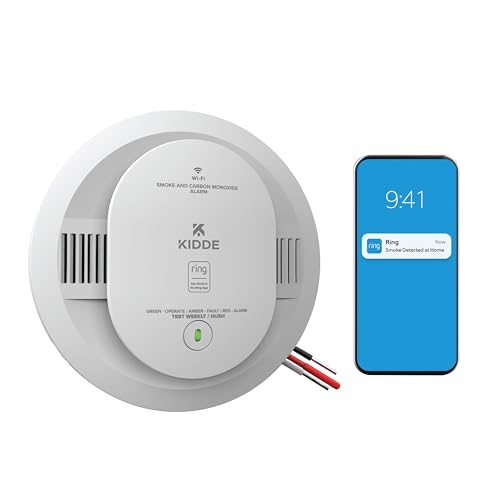
Kidde Smart Smoke and Carbon Monoxide Detector, Ring App Enabled for Real-Time Notifications, Hardwired Alarm, AA Backup Battery
Double the Detection: Alerts you to both smoke and carbon monoxide (CO)
As an affiliate, we earn on qualifying purchases.
As an affiliate, we earn on qualifying purchases.
Frequently Asked Questions
How Often Should I Replace the Batteries in My Smart Detectors?
You should replace the batteries in your smart detectors at least once a year for ideal battery maintenance. Many models send alert notifications when the battery is low, so pay attention to those alerts. Even if your detector is wired, it’s good practice to check and replace backup batteries annually. Following a regular replacement schedule ensures your smart detectors stay functioning correctly, keeping you safe without unexpected power failures.
Are Smart Smoke and CO Detectors COmpatible With All Smart Home Systems?
Smart smoke and CO detectors may not be compatible with all smart home systems, but many are designed for seamless smart home integration. You should check the device compatibility before purchasing, as some detectors work best with specific platforms like Alexa, Google Home, or Apple HomeKit. To guarantee smooth operation, verify your smart home system’s compatibility with the detector, so you can enjoy reliable alerts and automation features.
What Should I Do if a Detector’s Alarm Malfunctions?
A malfunctioning detector is like a whistle in a silent room—annoying and unreliable. If your alarm malfunctions, try alarm troubleshooting first: press the test button, replace batteries, or reset the device. Regular detector maintenance, like cleaning sensors and checking connections, helps prevent issues. If problems persist, replace the detector or contact support. Staying proactive guarantees your safety devices stay alert and dependable when you need them most.
Can Smart Detectors Differentiate Between Smoke Types or CO Levels?
Yes, smart detectors can differentiate between smoke types and CO levels. They use advanced sensors for smoke type detection, distinguishing between fast-burning and slow-smoldering fires, which helps you respond more effectively. Additionally, they monitor CO levels with precision, alerting you to dangerous but low-level CO buildup. This real-time differentiation enhances safety, giving you clearer, more accurate alerts to protect your home and loved ones.
How Do I Reset My Smart Smoke or CO Detector After an Alarm?
Like rebooting a vintage computer, resetting your smart smoke or CO detector is straightforward. First, press and hold the reset button for about 5-10 seconds. If needed, replace the batteries before doing this to guarantee proper function. Follow the specific reset procedures in your device’s manual, which may involve using a mobile app. This clears alarms and restores your detector to normal operation, keeping your home safe.

Interconnected Smoke and Carbon Monoxide Detector, 10-Year Battery Wireless Interlinked Smoke & CO Alarm with Dual Sensors, Home Fire & CO Safety Protection (3Pack)
✅【Dual Sensor Protection – Detects Both Smoke & CO】 Equipped with advanced photoelectric smoke and electrochemical sensors, this…
As an affiliate, we earn on qualifying purchases.
As an affiliate, we earn on qualifying purchases.
Conclusion
By following proper placement rules for your smart smoke and CO detectors, you’re ensuring maximum safety for your home and loved ones. Some might think installing them is enough, but placement truly makes the difference in early detection. Don’t overlook this step—you’ll appreciate the added peace of mind knowing your detectors are working effectively. When you position them correctly, you’re not just complying with guidelines; you’re actively protecting what matters most.

New 2025 First Alert SMCO410 Z-Wave Battery-Powered Smoke Detector & Carbon Monoxide Alarm, Works with Ring Alarm Base Station, Single Pack, White
First Alert's Precision Detection advanced sensing technology complies with the latest industry standards to reduce cooking nuisance alarms…
As an affiliate, we earn on qualifying purchases.
As an affiliate, we earn on qualifying purchases.

Kidde Smart Smoke Detector, Ring App Enabled for Real-Time Notifications, Wire-Free Interconnectivity, AA Battery Powered
Real-Time Ring App Notifications: Home or away, get smoke or low battery warnings (no subscription required)
As an affiliate, we earn on qualifying purchases.
As an affiliate, we earn on qualifying purchases.