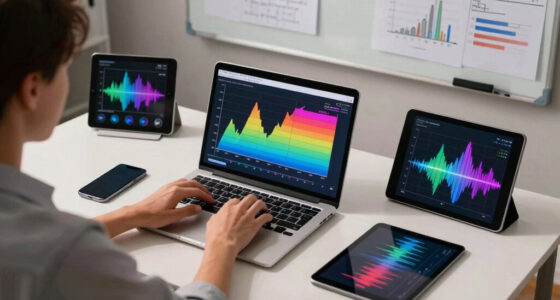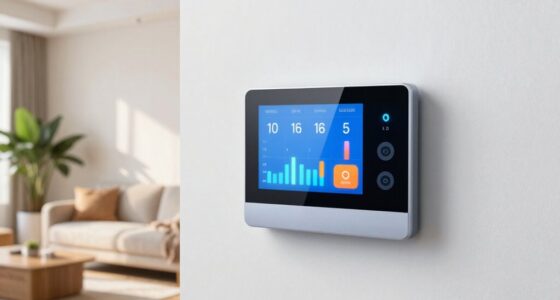

Choosing clear device names is more important than most realize, as it helps you quickly identify and manage devices on your network, saving time and reducing mistakes. Well-labeled devices improve compatibility, security, and organization, making troubleshooting easier and preventing accidental disconnections. Personalized naming creates a more intuitive digital space, especially in shared environments. If you want to discover how proper naming boosts your network’s security and efficiency, keep exploring these essential tips.

Get your next haul delivered free with Prime
- Fast, free delivery on millions of items
- Prime Video, Amazon Music and more included
- Member-only deals all year
Key Takeaways
- Clear device names enable quick recognition, reducing management and troubleshooting time in busy networks.
- Proper naming improves compatibility, communication, and reduces errors across apps and services.
- Descriptive labels reflect user preferences, making device lists more intuitive and personalized.
- Organized device naming enhances security by simplifying the identification of unauthorized or suspicious devices.
- Standardized naming conventions streamline network setup, maintenance, and ensure consistent, manageable device management.
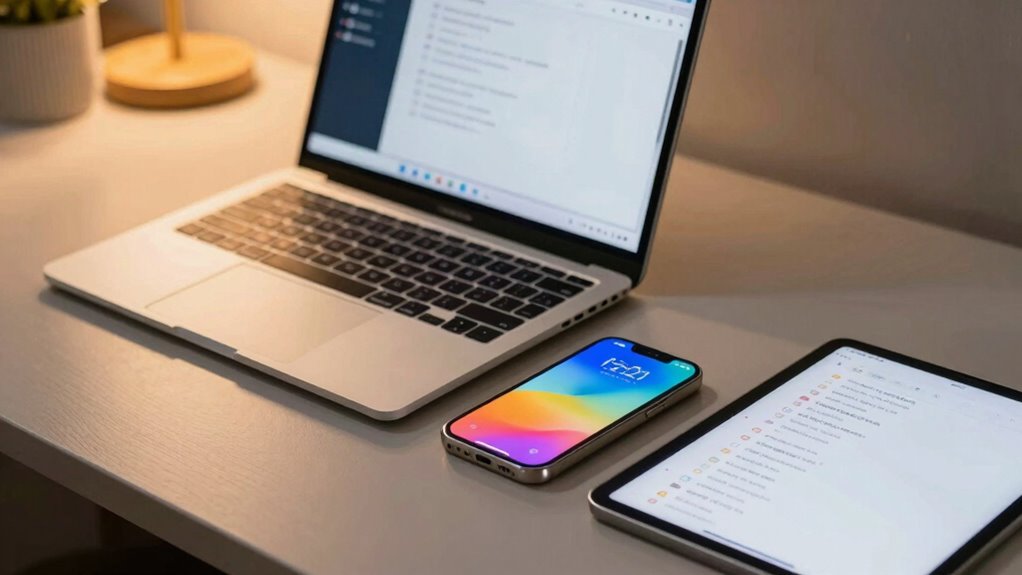
Have you ever struggled to identify a device among many in a busy network? It’s a common problem, especially as technology becomes more integrated into daily life. When multiple devices connect to the same Wi-Fi or network, distinguishing one from another can feel like finding a needle in a haystack. This is where effective device naming plays an essential role. A clear, logical device name isn’t just about convenience; it impacts your ability to manage and troubleshoot your network efficiently. When devices are named thoughtfully, you can quickly identify which device is which, saving time and frustration.
Device compatibility also benefits from good naming conventions. If your devices are named consistently and descriptively, it’s easier to guarantee compatibility with specific apps, services, or network settings. For instance, labeling a device as “John’s Laptop” or “Smart Thermostat” immediately communicates its purpose and owner, making it easier to set permissions or troubleshoot issues. When devices have vague or generic names like “Device 1” or “Android,” it can be confusing to figure out what’s what, leading to accidental disconnects or misconfigurations. Proper device naming helps prevent these problems by making device identification straightforward, especially in environments with multiple similar gadgets.
User personalization is another reason why device naming is more important than most people realize. When you give your devices meaningful names, you create a personalized digital environment that reflects your preferences and lifestyle. It’s about making your tech feel more intuitive and less anonymous. Instead of seeing a list of dull, generic device names, you see something familiar and tailored to you, which enhances your overall experience. This personalization also extends to shared networks, where multiple users can benefit from clearly labeled devices, reducing confusion for everyone involved. Additionally, standardized naming conventions can help streamline network setup and maintenance, making it easier to keep your digital environment organized. Implementing consistent naming practices can further improve the clarity and manageability of your network. Moreover, understanding network security principles can help you identify unauthorized devices more effectively. Having a structured naming system can also aid in troubleshooting and resolving network issues more swiftly, saving you time and effort.
Furthermore, thoughtful device naming fosters better organization. Whether you’re managing a home network or a small office setup, organized device lists help keep track of what’s connected. It becomes easier to identify devices for updates, security patches, or replacements. You can also set rules or restrictions based on device names, adding an additional layer of control. Additionally, proper naming conventions can improve overall network security by making it easier to spot unauthorized devices. Ultimately, good device naming isn’t just about aesthetics; it’s about creating a smarter, more manageable network that aligns with your needs and preferences.
As an affiliate, we earn on qualifying purchases.
Frequently Asked Questions
How Does Device Naming Affect Cybersecurity?
Device naming directly impacts cybersecurity by ensuring device consistency and clear identification. When you follow strict naming protocols, you reduce the risk of unauthorized access, as each device is uniquely labeled and easy to monitor. Proper naming helps detect suspicious activity quickly, preventing potential breaches. If you neglect consistent naming, you could inadvertently create vulnerabilities, making it easier for hackers to exploit weak points in your network security.
Can Good Naming Conventions Improve Device Management Efficiency?
Good naming conventions streamline device management by creating clear, consistent device hierarchy and naming structures. When you use consistent naming, it’s easier to locate, identify, and troubleshoot devices quickly. This clarity reduces confusion, saves time, and minimizes errors. By establishing logical patterns, you build a system where every device’s name reflects its role and location, making management more efficient and intuitive, ultimately boosting your overall operational productivity.
What Are Common Mistakes in Device Naming?
A common mistake is neglecting naming consistency, which makes it hard to identify devices quickly. You might use vague or generic identifiers like “Device1” or inconsistent formats, leading to confusion. Instead, focus on descriptive identifiers that include location, device type, or purpose. This way, your device names stay clear, organized, and easy to manage, saving time and reducing errors in your system.
How Often Should Device Names Be Updated?
You should update device names periodically to preserve perfect device naming consistency. Regular revisions prevent confusion and maintain adherence to your established naming convention standards. Typically, consider updating device names whenever significant changes occur—like hardware upgrades, relocations, or reassignments—or at least once a year. Consistent, clear naming helps you quickly identify devices, ensuring smooth management and minimizing mistakes in your digital environment.
Does Device Naming Influence User Experience?
Yes, device naming considerably influences user experience by reinforcing branding consistency and enabling user personalization. When your devices have clear, descriptive names, it’s easier for you to identify and organize them, reducing confusion. Consistent naming across all devices creates a professional look, while personalized names help you quickly locate specific gadgets. This thoughtful approach improves usability, saves time, and enhances your overall interaction with your technology ecosystem.
As an affiliate, we earn on qualifying purchases.
Conclusion
So, don’t overlook the power of a good device name. Sure, it might seem minor, but a clear, consistent name helps you stay organized and saves time when troubleshooting or connecting devices. And if you’re worried about it taking too much effort, think of it as a small investment that pays off every day. After all, a little effort now keeps the chaos at bay later—trust me, it’s worth it.
As an affiliate, we earn on qualifying purchases.
As an affiliate, we earn on qualifying purchases.
Halloween Picks
halloween
As an affiliate, we earn on qualifying purchases.