

To guarantee your automations keep running when the internet drops, design them to operate locally with offline capabilities. Use devices that handle automation tasks directly and incorporate local storage for quick data access. Leveraging edge computing processes data closer to its source, reducing reliance on cloud servers and increasing responsiveness. Also, set up redundant systems to maintain operation during outages. Below, you’ll find how to build resilient automations that stay active in any situation.

Get your next haul delivered free — and shop member deals
- Fast, free delivery on millions of items
- Access to Prime Big Deal Days deals on October 6–7
- Prime Video, Amazon Music and more included
Key Takeaways
- Implement offline automation capabilities that run locally on devices or within local networks.
- Use local storage to ensure data accessibility and system reliability during connectivity issues.
- Leverage edge computing for faster, local data processing and decision-making.
- Plan and incorporate fallback procedures and redundant systems for seamless operation during outages.
- Design workflows that are independent of internet connectivity to maintain continuous automation.
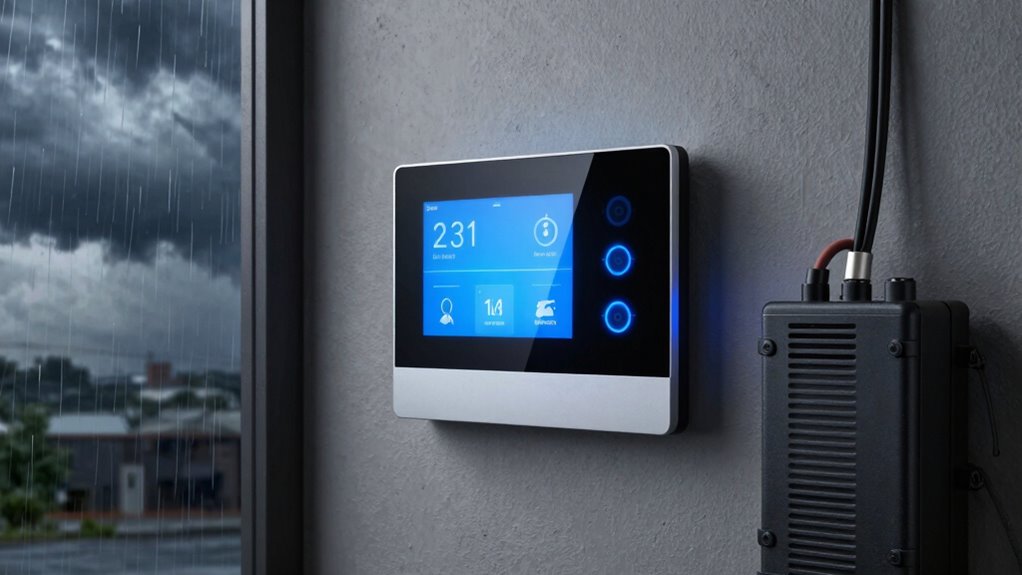
In today’s connected world, relying solely on cloud-based automations can leave you vulnerable when the internet drops. No matter how reliable your connection seems, outages happen—whether due to technical glitches, maintenance, or unexpected disruptions. To keep your automations functioning smoothly during these times, you need to leverage offline capabilities and local storage. These tools ensure your workflows continue uninterrupted, giving you peace of mind and maintaining productivity even when the web isn’t cooperating.
Offline capabilities are essential because they allow your automations to run locally on your device or within a local network. Instead of waiting for cloud servers to process and execute commands, your system performs tasks directly from your hardware. This means that if your internet connection goes down, your automations don’t come to a halt—they keep running based on preconfigured rules stored locally. For example, automation scripts that sync data, trigger alerts, or control connected devices can be designed to operate offline, ensuring critical functions aren’t disrupted. Incorporating offline functionality into your automation setup is crucial for building resilient systems that can adapt to connectivity issues. Additionally, understanding local storage options helps you optimize how data is stored and accessed during outages, further enhancing system reliability. Exploring edge computing solutions can also enable processing closer to the source, reducing dependency on external servers and increasing your system’s robustness during outages. Planning for these offline strategies now can save you significant trouble when disruptions occur unexpectedly. Recognizing the importance of redundant systems can further ensure continuous operation during internet outages.
offline smart home automation hub
As an affiliate, we earn on qualifying purchases.
As an affiliate, we earn on qualifying purchases.
Frequently Asked Questions
What Hardware Is Necessary for Offline Automation?
To build offline automation, you need hardware that operates on your local network, like a reliable smart hub or a dedicated server. Make sure it has backup power, such as an uninterruptible power supply (UPS), so it keeps running during outages. You might also consider local storage devices for data. This setup guarantees your automations stay active and responsive, even when the internet drops, keeping your smart environment seamless and reliable.
How Do I Sync Data After Reconnecting?
Imagine your data doing a frantic dance after reconnecting, trying to avoid sync conflicts like a soap opera villain. To sync data, you’ll want to run a robust reconciliation process that identifies mismatched entries, resolves conflicts, and merges changes smoothly. Use automated tools or scripts to handle data reconciliation efficiently, ensuring all your offline edits integrate seamlessly once you’re back online, preventing chaos and maintaining your automation’s integrity.
Can I Automate Tasks Without Internet Connectivity?
Yes, you can automate tasks without internet connectivity by utilizing local storage for data and automation scripts. This setup allows your automation to run directly on your device, ensuring continuous operation even offline. You can also implement manual override options, giving you control when necessary. When the internet reconnects, the system can sync data and updates seamlessly, maintaining your workflow without interruptions.
What Are the Best Offline Automation Tools?
You should consider offline automation tools like Node-RED or custom scripts that run locally on your device. These tools excel because they don’t rely on constant internet access, ensuring your automations keep working. Incorporate cloud synchronization for data backup and device redundancy to prevent data loss if one device fails. This way, your automations remain reliable, even during internet outages, keeping your workflow smooth and uninterrupted.
How to Troubleshoot Offline Automation Failures?
When troubleshooting offline automation failures, start by checking fail-safe protocols to prevent data loss or system crashes. Guarantee data redundancy is in place so critical information isn’t lost if the system goes offline. Test your automation workflows locally, and verify hardware connections. Review logs for errors, and update or reinstall software if needed. Implementing these steps helps maintain operation continuity despite internet disruptions, keeping your automation reliable.
uninterruptible power supply for smart devices
As an affiliate, we earn on qualifying purchases.
As an affiliate, we earn on qualifying purchases.
Conclusion
By designing your automations with local triggers and fallback procedures, you guarantee they keep running smoothly even when the internet drops. For example, a smart security system that activates locally when connectivity is lost can still protect your home. Think of it as having a reliable backup plan—keeping your automation resilient and dependable, no matter the connection status. With these strategies, you stay in control and maintain peace of mind, rain or shine.
local storage devices for automation
As an affiliate, we earn on qualifying purchases.
As an affiliate, we earn on qualifying purchases.
edge computing devices for home automation
As an affiliate, we earn on qualifying purchases.
As an affiliate, we earn on qualifying purchases.
Evergreen bestsellers Picks
bestsellers
As an affiliate, we earn on qualifying purchases.