
Rich creams can still dehydrate your skin if they’re not formulated properly or if you apply them incorrectly. Ingredients may degrade over time, reducing their hydrating power, or they might not suit your skin type, especially if it’s sensitive or dehydrated. Improper application techniques, like not cleansing beforehand or applying on dry skin, can also prevent benefits. To learn more about how to optimize your skincare routine and avoid dehydration, keep exploring these essential tips.

Get your next haul delivered free with Prime
- Fast, free delivery on millions of items
- Prime Video, Amazon Music and more included
- Member-only deals all year
Key Takeaways
- Poor formulation or unstable ingredients in rich creams can fail to effectively hydrate or may cause dryness.
- Applying rich creams on dry or unprepared skin can trap dead skin cells, leading to dehydration.
- Using an inappropriate cream for a specific skin type may result in inadequate moisture retention.
- Over-application or improper technique can create a barrier that prevents moisture absorption.
- Timing of application and not sealing in moisture immediately after cleansing can diminish hydration benefits.
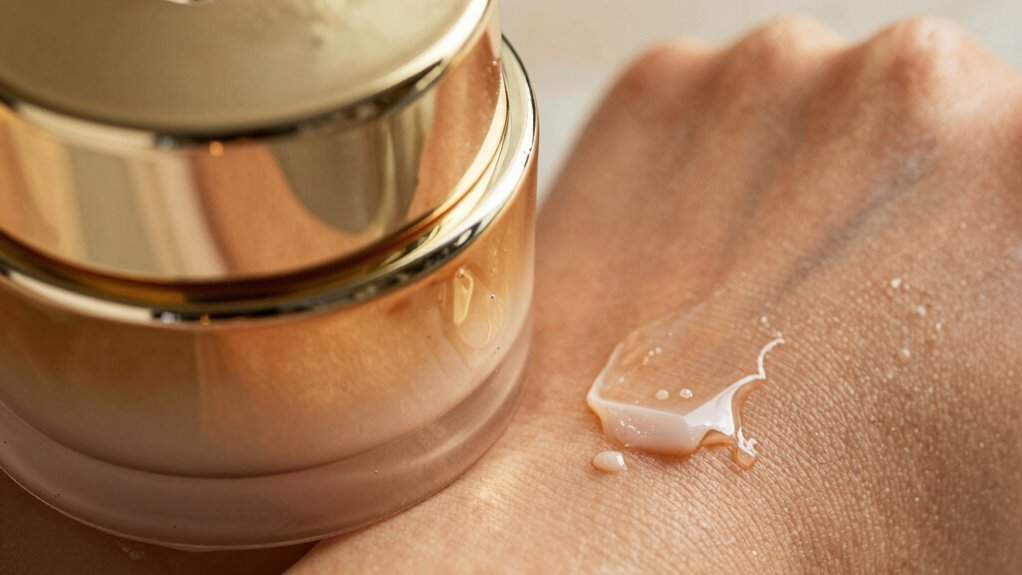
Have you ever wondered why some rich creams seem to make your skin feel worse instead of better? It’s a common frustration, especially if you’ve invested in high-end products that promise deep hydration. The truth is, not all creams work equally for everyone. Sometimes, a product designed to nourish can actually leave your skin feeling tight, dry, or irritated. The key reasons often boil down to ingredient stability and application techniques, which greatly influence how your skin responds.
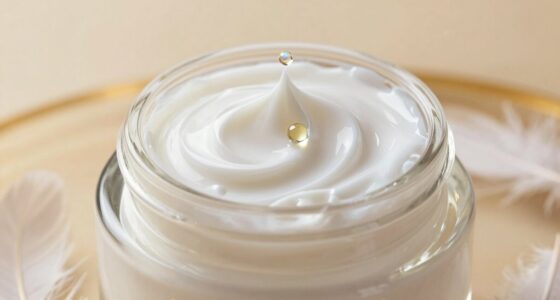
Ingredient stability is crucial because many rich creams contain active ingredients that can degrade over time or when exposed to certain conditions. When ingredients lose their potency, they might not deliver the intended hydrating or barrier-repairing benefits. Worse, unstable ingredients can even cause irritation or inflammation, making your skin feel drier or more sensitive. To avoid this, you should pay attention to how well the product is formulated. Look for creams with stabilized ingredients, such as antioxidants or humectants, which retain their effectiveness longer. Proper packaging, like airless pumps or opaque jars, also helps preserve ingredient stability by preventing exposure to light, air, and heat. Ingredient stability is an essential factor to consider for long-lasting skincare benefits. Additionally, understanding how formulations maintain ingredient integrity can help you select products that truly support your skin’s health.
Choose creams with stabilized ingredients and protective packaging to maintain effectiveness and prevent irritation.
Application techniques matter just as much as the formulation. Applying a thick, rich cream isn’t enough if you don’t do it right. If you slather it on without cleansing or prepping your skin properly, you might be trapping dirt, oil, or dead skin cells underneath, which hampers absorption and can clog pores. To maximize hydration, gently cleanse your face and pat it dry before applying the cream. Use a light, upward motion to evenly distribute the product, ensuring it penetrates the skin’s surface rather than sitting on top. Sometimes, applying too much or too little can also impact results — a thin, even layer tends to work best. Also, knowing the ideal timing of application can significantly improve how well your skin absorbs and benefits from the product.
Furthermore, the timing of application plays a role. Applying your rich cream immediately after cleansing or while your skin is still slightly damp can help lock in moisture more effectively. If you wait too long or apply it over a dry surface, the cream may sit on the skin’s surface and feel heavy or greasy, rather than nourishing. Also, consider whether your skin type needs a different approach; sensitive or dehydrated skin might benefit from lighter layers or different formulations altogether. Proper application techniques can transform your skincare routine and ensure your skin benefits fully from your chosen products.
In the end, understanding the importance of ingredient stability and proper application techniques can make all the difference. It’s not just about choosing a rich cream, but about using it in a way that complements your skin’s unique needs. When you get these factors right, you’ll find that even the richest creams can hydrate rather than dehydrate your skin, leaving it feeling soft, comfortable, and healthy.
stabilized antioxidant moisturizer
As an affiliate, we earn on qualifying purchases.
As an affiliate, we earn on qualifying purchases.
Frequently Asked Questions
Can Rich Creams Cause Breakouts on Oily Skin?
Yes, rich creams can cause breakouts on oily skin. They often contain oils that can lead to oil clogging and pore congestion, trapping dirt and bacteria. This buildup increases the risk of acne and blackheads. If you have oily skin, look for non-comedogenic formulas that won’t clog your pores. Using lighter, oil-free moisturizers helps balance your skin without causing breakouts or worsening oiliness.
Are There Specific Ingredients to Avoid in Rich Creams?
Yes, you should avoid rich creams with ingredients that trigger your sensitivities. Look out for potential formulation concerns like heavy oils, fragrances, or alcohols that may irritate or clog your skin. If you notice redness, itching, or breakouts, these ingredients could be the culprit. Always check labels carefully, especially if you have ingredient sensitivities, and opt for formulations designed for your skin type to prevent dehydration or irritation.
How Do I Tell if My Skin Is Dehydrated or Dry?
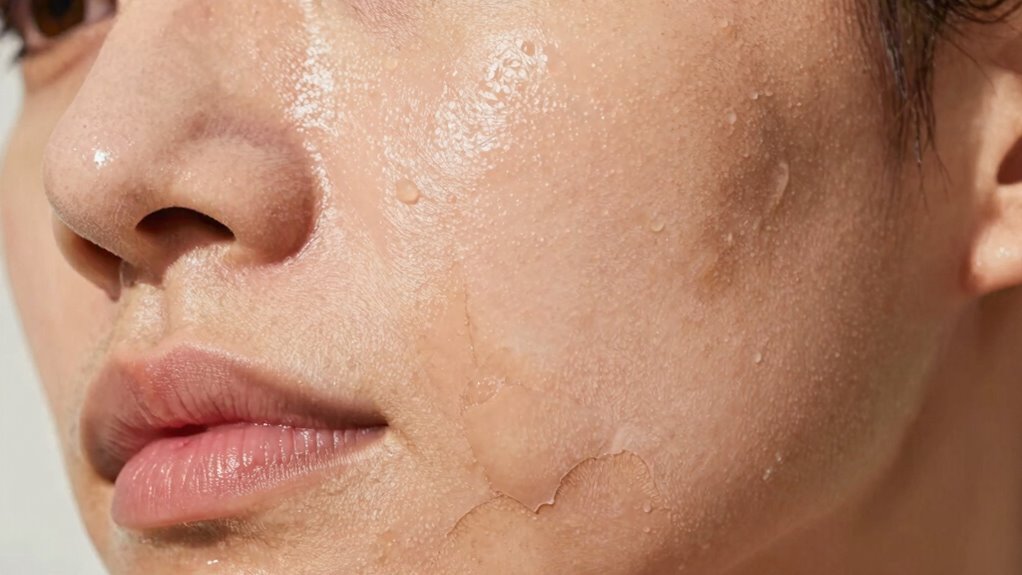
If your skin feels tight, looks dull, or has rough patches, you’re likely dehydrated, not dry. Check for hydration signs like increased sensitivity or frequent breakouts. When skin texture feels uneven or flaky despite moisturizing, it’s a clear sign. Dehydration isn’t about oiliness but lack of water, so you might need a boost with hydrating serums. Recognize these cues early to adjust your skincare and keep your skin happy!
Can Using Rich Creams at Night Prevent Dehydration?
Using rich creams at night can help prevent dehydration if they promote effective nighttime hydration and fast cream absorption. When you apply a thick moisturizer, it seals in moisture and supports your skin’s barrier while you sleep. To maximize benefits, choose a cream that absorbs well, so it doesn’t sit on the surface. Consistent nighttime hydration can reduce dehydration and leave your skin feeling plump and refreshed in the morning.
Do Age or Skin Condition Affect Cream Absorption?
Age and skin condition definitely affect cream absorption. As you age, skin penetration slows, making it harder for creams to absorb fully. Skin conditions like eczema or acne also alter absorption factors, creating barriers that limit effective penetration. You might notice that your skin doesn’t respond the same way to creams over time, especially if its barrier is compromised. Adjusting your skincare routine based on these factors helps guarantee better absorption and hydration.
As an affiliate, we earn on qualifying purchases.
Conclusion
Even if you use a rich cream, your skin can still become dehydrated, especially if it’s naturally oily or sensitive. For example, imagine applying a thick moisturizer at night, but waking up with tight, dry patches—your skin might be struggling to retain water, not just oil. Pay attention to how your skin reacts, and consider balancing rich creams with hydrating serums. Sometimes, less truly is more for keeping your skin happy and healthy.
hydrating rich cream for sensitive skin
As an affiliate, we earn on qualifying purchases.
As an affiliate, we earn on qualifying purchases.
best application technique for face moisturizer
As an affiliate, we earn on qualifying purchases.
As an affiliate, we earn on qualifying purchases.
Halloween Picks
halloween
As an affiliate, we earn on qualifying purchases.