
Iris is so expensive in perfumery because extracting its fragrant oils is incredibly labor-intensive and slow, taking years of careful harvesting, drying, and distillation. The process produces limited yields from each plant, which drives up costs. Growing iris requires specific climate conditions and meticulous upkeep, adding to its rarity. Its rich history of luxury and association with wealth also boost its allure. Keep exploring to discover what makes this ingredient truly special.

Get your next haul delivered free with Prime
- Fast, free delivery on millions of items
- Prime Video, Amazon Music and more included
- Member-only deals all year
Key Takeaways
- The labor-intensive extraction process from iris rhizomes is time-consuming and costly, raising overall production expenses.
- Limited yields from mature plants and specific growing conditions restrict supply, increasing rarity and price.
- Natural iris oil is highly valuable due to its rich historical significance and association with luxury and prestige.
- Synthetic alternatives offer more affordable, stable, and consistent options, but natural extracts remain more coveted.
- The complex, delicate aroma and cultural symbolism of iris elevate its desirability and premium status in perfumery.

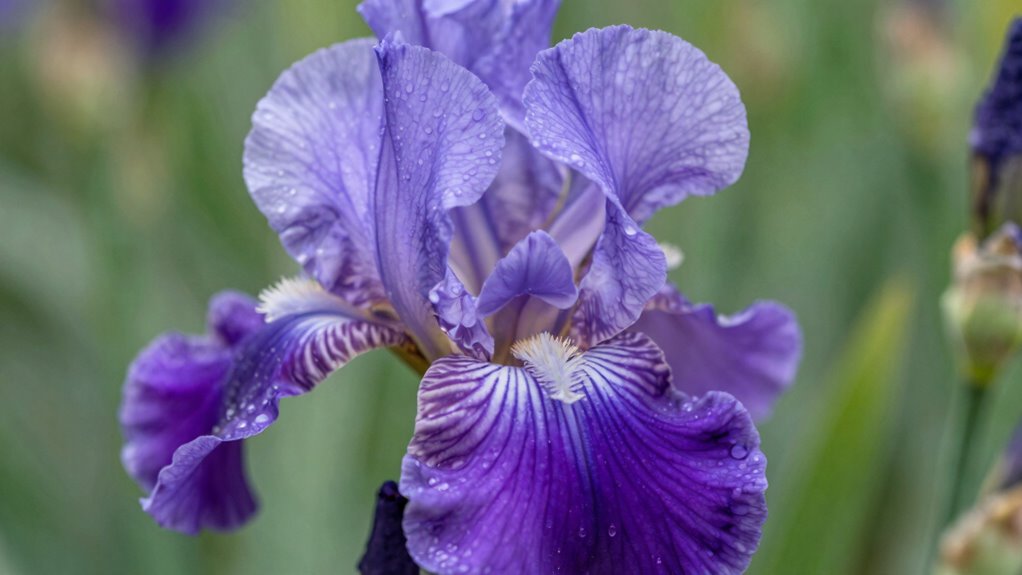
Iris has long captivated perfumers with its delicate, powdery aroma that adds elegance and depth to fragrances. Its scent is both subtle and complex, making it a prized ingredient in high-end perfumes. One reason for its high cost is the intricate and labor-intensive process required to extract the pure aroma. Traditionally, the most prized iris note comes from the rhizomes of Iris germanica and Iris pallida, which must be carefully harvested, dried, and then distilled. This process takes years—sometimes up to five—before the rhizomes develop the rich, fragrant oils that perfumers desire. The labor involved, combined with the limited yield from each plant, makes the natural extraction remarkably expensive. The extraction process involves multiple steps to ensure the quality and purity of the aroma, further adding to its cost. Additionally, the cultivation of iris plants requires specific climatic conditions and careful maintenance, which further limits supply and increases expenses. The climatic requirements for iris cultivation are quite strict, further constraining production and raising costs. Moreover, the limited yield from each harvest contributes significantly to its high price, as only a small amount of usable oil can be obtained from mature rhizomes. Despite its expense, iris’s historical significance in perfumery adds to its allure. It has been treasured since ancient times, particularly in Middle Eastern and European cultures, where it was used in sacred rituals and luxury cosmetics. In the 19th century, iris became a symbol of sophistication and wealth, often associated with royalty and aristocracy. Its historical significance contributes not only to its desirability but also to its mystique, which elevates its status in modern perfumery. To make iris more accessible and affordable, perfumers have turned to synthetic alternatives. These synthetic versions mimic the delicate and powdery scent profile of natural iris, offering a more economical choice without sacrificing the olfactory experience. Synthetic alternatives also provide consistency and stability, which natural extracts sometimes lack due to variations in cultivation, climate, and harvesting. As technological advances continue, the quality of these synthetic compounds has greatly improved, making them increasingly indistinguishable from their natural counterparts. While some purists prefer the authenticity of natural iris, many modern fragrances incorporate these synthetic compounds to achieve the desired scent at a fraction of the cost. This balance between tradition and innovation helps keep iris a popular ingredient despite its high price. Moreover, advancements in synthetic fragrance technology continue to improve how closely these alternatives resemble the natural aroma. Ultimately, the combination of the laborious extraction process, the limited supply, and its rich historical significance make iris one of the most expensive and coveted ingredients in perfumery. Its unique aroma and cultural legacy continue to inspire perfumers and fragrance lovers alike. Whether sourced naturally or recreated synthetically, iris remains a symbol of luxury, elegance, and timeless beauty in the world of perfume.
Products Worth Considering

Dyson Ball Animal 3 Corded Upright Vacuum

LEVOIT Vital 200S-P Smart Air Purifier for Large Rooms

Dyson Big Ball Multi Floor Canister Vacuum, Yellow
As an affiliate, we earn on qualifying purchases.
Frequently Asked Questions
How Long Does It Take to Harvest Iris for Perfumery?
Iris harvesting for perfume extraction takes about three to five years after planting, as the roots need time to mature. During iris harvesting, you carefully dig up the rhizomes at just the right time to guarantee the best quality. This process is labor-intensive and delicate, which adds to the cost. Once harvested, the iris roots undergo a lengthy drying process before they can be used for perfume extraction, preserving their precious scent.
Are There Sustainable Ways to Source Iris for Perfumes?
Ever wonder how to keep iris sourcing both beautiful and sustainable? You can support iris cultivation through ethical sourcing practices, such as partnering with farms that prioritize environmental care and fair labor. Sustainable iris harvesting involves cultivating the flowers responsibly, reducing waste, and exploring alternative extraction methods. By choosing brands committed to these principles, you help preserve this precious flower while enjoying its luxurious scent, making your perfume choices more meaningful.
What Are the Most Common Iris Species Used in Perfumery?
You’ll find that Iris pallida, Iris germanica, and Iris florentina are the most common iris species used in perfumery. These varieties are prized for their rich fragrance, which has deep roots in the Iris fragrance history and symbolizes wisdom and hope. Their unique scent, combined with the flower’s symbolism, makes them highly sought after, but also contributes to the flower’s high cost in the perfume industry.
How Does Climate Affect Iris Cultivation and Quality?
Climate conditions critically influence iris cultivation and quality. When you grow irises, warm, well-drained climates foster flourishing flowers, while cold or overly moist environments can cause complications. Consistent sunshine and moderate rainfall promote ideal iris growth, ensuring high-quality roots essential for perfumery. Conversely, unpredictable weather patterns can hinder harvests, reduce aroma potency, and inflate costs, making climate impact a significant factor in producing premium iris ingredients.
Can Synthetic Iris Notes Replace Natural Iris in Perfumes?
Synthetic iris notes can replace natural iris in perfumes, but they often lack the natural authenticity that genuine iris provides. While synthetic alternatives are more affordable and consistent, they may not capture the complex, nuanced aroma of real iris. If you seek the true depth and richness of natural iris, you’ll likely prefer perfumes that use authentic ingredients, though synthetic options offer a more accessible and sustainable way to enjoy iris-inspired scents.
Conclusion
You hold the iris like a secret, its delicate petals hiding a treasure worth more than gold. Its scent, a whisper of elegance and mystery, invites you deeper into a world of timeless beauty. Just as a rare gem glimmers with hidden depths, iris’s expense reflects its rarity and allure. In every drop, you find a symbol of refined sophistication—an elusive bloom that transforms scent into art, forever enchanting those who seek its exquisite essence.