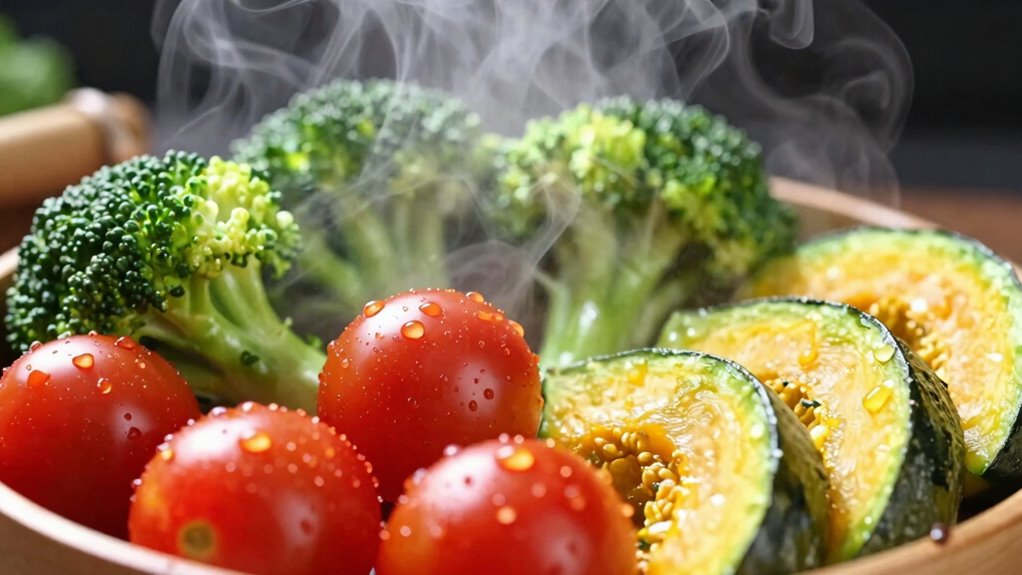

Steam ovens change the texture of food by using moisture and heat to gently break down cellular structures, making your dishes tender and moist. The water vapor surrounds and penetrates the food, preventing drying out and locking in natural juices. This process softens the texture, keeps vibrant colors, and preserves delicate flavors and nutrients. As you use steam, you’ll notice your food becomes lighter, fluffier, and more succulent—discover more about how this transformation enhances your cooking experience.

Get your next haul delivered free with Prime
- Fast, free delivery on millions of items
- Prime Video, Amazon Music and more included
- Member-only deals all year
Key Takeaways
- Steam ovens surround food with water vapor, preventing dehydration and maintaining a tender, moist texture.
- The moisture causes cellular swelling and softening, leading to uniform, delicate textures.
- Water vapor evenly distributes heat, preserving the food’s shape and preventing toughness.
- Steaming retains vibrant colors and crispness in vegetables while keeping delicate proteins moist.
- The process preserves nutrients and prevents over-drying, resulting in softer, more succulent foods.
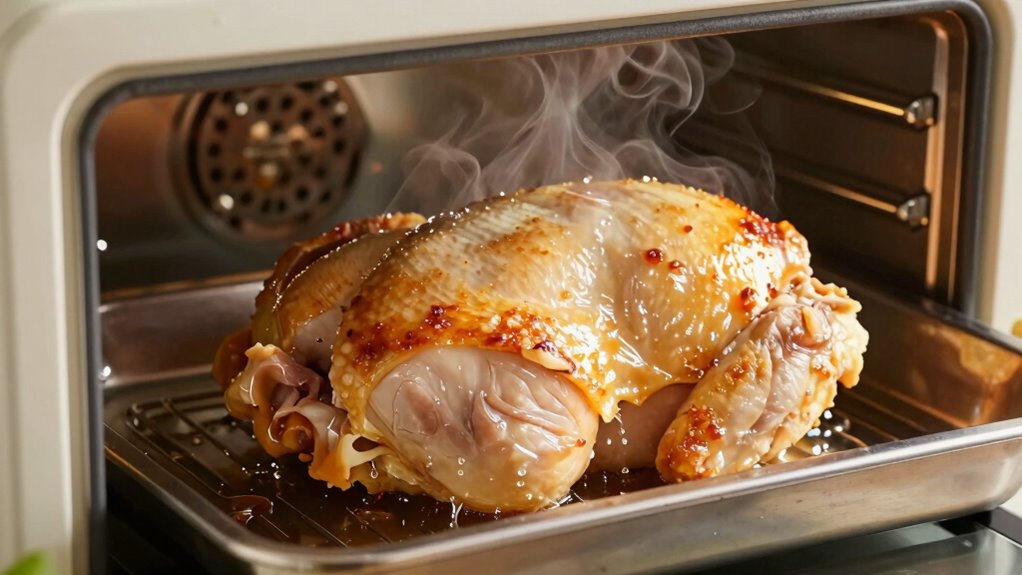
Have you ever wondered why food cooked in steam ovens often feels different in texture compared to traditional methods? The answer lies in how steam cooking influences moisture retention and cellular structure alteration in your food. When you use a steam oven, the primary moisture source is water vapor, which surrounds the food and penetrates its surface. Unlike dry heat methods like roasting or baking, steam cooking helps lock in moisture, preventing the food from drying out. This moisture retention keeps ingredients tender and juicy, giving food a moist, delicate texture that’s hard to achieve with other techniques.
As the steam envelops your food, it interacts directly with the cellular structure of ingredients, leading to cellular structure alteration. The heat and moisture cause the cells within fruits, vegetables, fish, and meats to swell and soften. This process breaks down the cell walls gently, resulting in a more uniform and delicate texture. Because the cellular structure remains more intact than with dry heat methods, your food retains its natural shape and moisture, creating a softer, more succulent bite. Additionally, the cellular structure alteration process is influenced by the temperature and duration of steaming, which can be adjusted to optimize texture for different foods. Understanding the effects of moisture on food can help you better control the outcome of your cooking.
You’ll notice that steaming preserves the integrity of delicate foods like fish fillets or leafy greens better than other cooking methods. Instead of becoming tough or shriveled, these foods stay moist and tender, thanks to the gentle heat and moisture environment. Additionally, the alteration of cellular structures means flavors are more evenly distributed and preserved within the ingredients. The water vapor acts as a carrier, allowing heat to penetrate more uniformly, which results in a consistent texture throughout each piece of food. Moreover, moisture retention plays a crucial role in maintaining the quality and nutritional value of steamed foods.
This process also explains why steamed foods often have a lighter, fluffier, or more tender feel. The retained moisture prevents the food from becoming dense or rubbery. You might find that steamed vegetables maintain their vibrant colors and crispness, yet are soft enough to melt in your mouth, unlike when roasted or sautéed, which can sometimes lead to dehydration or tougher textures. Proper steaming techniques can also help preserve nutrients that are sensitive to high heat or prolonged cooking times.
In essence, steam ovens change food texture by maximizing moisture retention and subtly altering cellular structures. These effects create a unique eating experience—foods that are moist, tender, and evenly cooked. You benefit from these changes by enjoying dishes with a delicate, fresh character that’s difficult to replicate with dry heat methods. So next time you use a steam oven, remember that it’s not just about cooking; it’s about transforming the cellular makeup of your ingredients to achieve a different, often superior, culinary texture. Additionally, understanding the cellular structure alterations involved can help you better appreciate the benefits of steam cooking.
Frequently Asked Questions
Do Steam Ovens Affect the Nutritional Value of Food?
Steam ovens generally preserve more nutrients in your food because they use gentle heat and moisture, enhancing nutrient retention. Unlike some cooking methods that can cause nutrient loss through high heat or water leaching, steam cooking keeps vitamins and minerals intact. So, when you use a steam oven, you’re maintaining the food’s nutritional value better, making it a healthier choice for preparing vegetables, fish, and other nutrient-rich ingredients.
Can Steam Ovens Be Used for Baking Desserts?
Yes, you can use steam ovens for baking desserts. They excel at creating moist, tender treats with a delicate crumb, ideal for custards, cheesecakes, and sponge cakes. As you master dessert techniques, you’ll notice baking adjustments like reducing baking times or temperatures, ensuring your sweets turn out perfect. With a steam oven, you enhance textures, retain moisture, and elevate your baking game to new, delicious heights.
How Does Steam Cooking Influence Food’s Flavor Profile?
Steam cooking enhances your food’s flavor profile by locking in moisture and preserving delicate aromas. You’ll notice a richer taste because the steam prevents flavor loss, making herbs and spices more pronounced. Aroma preservation is key, as the gentle heat traps fragrant molecules, resulting in a more aromatic, flavorful dish. This method guarantees your meals retain their natural essence, providing a more vibrant and satisfying culinary experience.
Are There Specific Foods That Don’t Benefit From Steaming?
Like trying to tame a wild stallion, some foods resist steaming. You’ll find that certain meats, like steaks, don’t benefit from it, as they risk losing tenderness. Similarly, delicate vegetables like lettuce or thin greens can turn mushy and lose their crispness, making them less appealing. Steaming is best suited for foods that need gentle cooking and can handle a softer, tender texture without compromising flavor.
What Are the Energy Efficiency Differences Between Steam and Traditional Ovens?
Steam ovens generally use less energy than traditional ovens because they heat water directly and cook food faster, reducing energy consumption. This results in a favorable cost comparison over time, especially if you cook frequently. You’ll find that steam ovens are more efficient for steaming and baking, saving both energy and money, while traditional ovens tend to use more power due to longer preheating and cooking times.
Conclusion
So, next time you use a steam oven, remember it’s like giving your food a gentle, modern alchemy, transforming textures with a whisper of the past. Unlike the clunky, old-fashioned methods, steam ovens bring a delicate balance that keeps your dishes moist and tender. It’s as if you’ve revealed a secret recipe from a bygone era, reminding you that sometimes, the simplest innovations—like a dash of steam—can turn ordinary into extraordinary, much like a well-placed quill in a digital age.
Halloween Picks
halloween
As an affiliate, we earn on qualifying purchases.