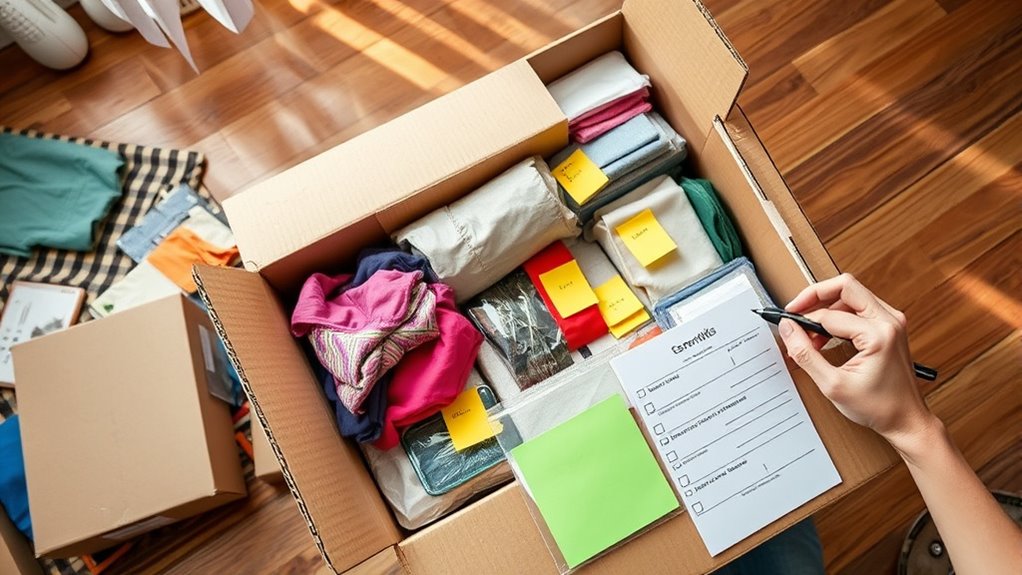

To prepare for your move, start by creating a detailed timeline and prioritize packing less-used items first, leaving essentials for last-minute packing. Use sturdy boxes, wrap fragile belongings carefully, and label each box clearly with its contents and destination room. Stay organized by tracking packed items and adjusting your schedule as needed. Focusing on efficient packing and clear labels helps reduce stress. Keep exploring for more tips to make your move smoother and more manageable.
Key Takeaways
- Start packing early with infrequently used items, prioritizing essentials for last-minute packing.
- Use clear labels on boxes indicating contents and designated room for easy unpacking.
- Create a moving timeline to organize packing stages and set realistic deadlines.
- Pack fragile items with high-quality materials and individually wrap breakables for protection.
- Keep essential items separate and accessible to ensure immediate needs are met during the move.
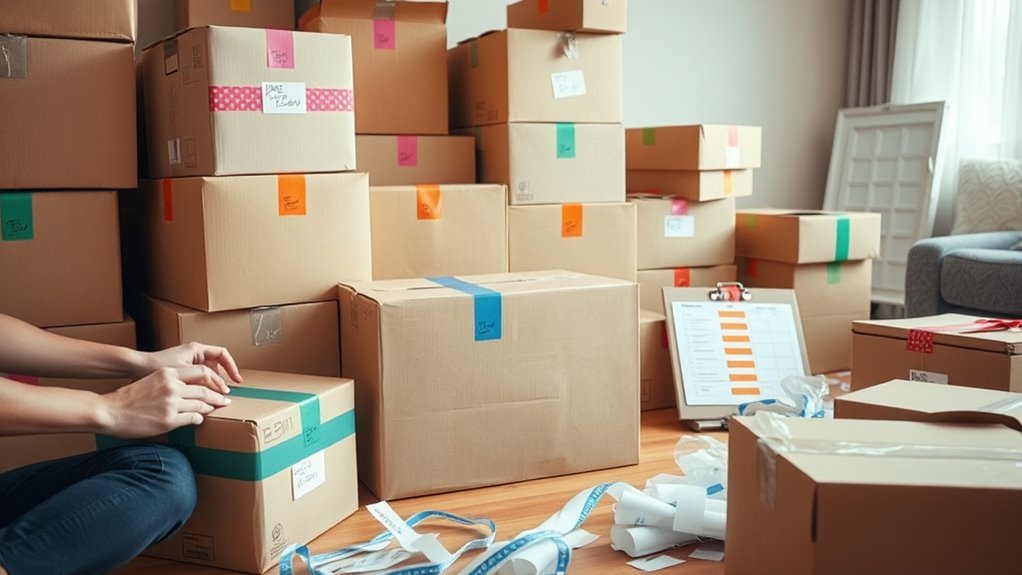
Are you feeling overwhelmed by the prospect of moving? It’s completely normal to feel a little anxious, but breaking down the process into manageable steps can make all the difference. The key to a smooth move lies in effective packing strategies and a well-organized moving timeline. When you start planning early and stay consistent, you’ll find that packing isn’t as daunting as it initially seems.
First, establish a clear moving timeline. Determine your moving date and work backward, setting specific deadlines for packing different areas of your home. This will help you avoid last-minute chaos and ensure that everything gets done on time. Creating a schedule also allows you to allocate enough buffer days for unexpected delays or last-minute tasks. As you develop your timeline, consider which items you’ll need immediately and which can be packed early. This prioritization saves you stress and keeps essentials accessible.
Next, focus on packing strategies that maximize efficiency and protect your belongings. Start with items you use infrequently, such as seasonal decorations or rarely worn clothes. Use sturdy boxes and high-quality packing materials to safeguard fragile items. Wrap breakables individually with bubble wrap or packing paper, and fill empty spaces inside boxes with clothing or packing peanuts to prevent shifting. Label each box clearly with its contents and designated room. This simple step accelerates unpacking and helps movers know where each box belongs, reducing confusion and the risk of misplaced items.
As you pack, keep your moving timeline in mind. Regularly review your schedule to stay on track. For example, aim to have the entire house packed by a few days before moving day, leaving the last-minute packing for essentials only. To stay organized, create a master list of packed boxes and their contents. This way, you’ll easily track what’s been packed and what still needs attention. Also, consider packing an “essentials kit” with items like toiletries, a change of clothes, chargers, and important documents. Keep this kit aside so you’re not rummaging through boxes on your first day at the new place.
Throughout the packing process, remember to stay flexible. Sometimes, items take longer to pack than expected, or you may need to adjust your timeline. The key is to stay consistent and keep your eye on the goal. Additionally, be mindful of cybersecurity risks when sharing your moving plans online or via email, to protect your personal information. With good planning, strategic packing, and a detailed timeline, you’ll transition smoothly from your old home to your new one, feeling prepared and in control every step of the way.
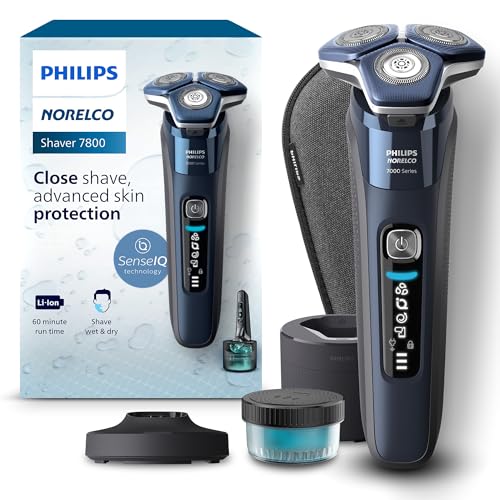
Philips Norelco Shaver 7800, Rechargeable Wet & Dry Electric Shaver with SenseIQ Technology, Quick Clean Pod, Charging Stand, Travel Case and Pop-up Trimmer, S7885/85
Made of up to 250,000 micro-tech beads per square cm, Nano SkinGlide coating improves gliding on skin by...
As an affiliate, we earn on qualifying purchases.
Frequently Asked Questions
How Do I Handle Fragile Items During Packing?
When handling fragile items during packing, you should use delicate packing techniques to prevent damage. Wrap each item individually with bubble wrap or packing paper, ensuring all edges are protected. Place delicate items in sturdy boxes filled with cushioning material like packing peanuts or crumpled paper. Label these boxes as “Fragile” so movers handle them carefully. Always handle delicate items gently and avoid overpacking to maintain their safety during the move.
What’s the Best Way to Pack Valuables Securely?
To pack valuables securely, use a dedicated security packing method. Wrap each item in bubble wrap or soft cloth for valuables protection, then place them in a sturdy, padded box. Label the box as “Fragile” and handle with care. Keep the box close during the move to guarantee safety. This approach minimizes damage and theft, giving you peace of mind about your valuables’ security during transit.
How Can I Stay Organized During a Large Move?
Did you know that 60% of movers lose items during a move? To stay organized, create an inventory management system and keep it updated as you pack. Use clear packing supplies and label each box with its contents and destination room. This way, you’ll easily track everything, avoid misplacing essentials, and streamline unpacking. Staying organized diminishes stress and ensures a smooth, efficient move.
When Should I Start Packing for a Move?
You should start packing at least 4-6 weeks before your moving date, following your moving timeline and packing checklist. This gives you enough time to organize, pack non-essentials first, and avoid last-minute stress. Break down tasks into weekly goals, so packing feels manageable. Starting early guarantees you won’t forget important items and allows you to label boxes properly, keeping your move organized and smooth.
How Do I Manage Moving With Pets or Children?
Remember, a smooth move is like a well-oiled machine. To manage moving with pets or children, plan ahead with pet care essentials and keep their routines as normal as possible. Pack favorite toys and entertainment for children to ease stress. Communicate clearly about the move, and create a calm environment. This way, you guarantee everyone feels secure, making the transition easier for your little ones and furry friends alike.

Philips Norelco Shaver 3900 Series, Wet and Dry Electric Shaver, P-Cap, Travel Pouch, Charging Stand, Storm Blue, Model S3341/92
SkinProtect Technology: Achieve a clean, gentle shave with 5D pivot contour and AntiCorrosion Shaving System
As an affiliate, we earn on qualifying purchases.
Conclusion
As you pack, label, and prioritize, remember that your efforts are the foundation of a smooth move. Think of this process as planting a seed—you’re setting the stage for new beginnings and fresh starts. Stay organized and keep your eye on the prize, knowing that each task completed is a step closer to turning the chaos into clarity. Soon, you’ll be stepping into your new home, ready to write the next chapter of your life.

Versace Miniature Variety Trio Collection Perfume Gift Set for Men 0.17 oz/5 ml Splashes 1
Eros Perfume for Men Splash 0.17 oz
As an affiliate, we earn on qualifying purchases.

Signature Scent 4-Piece Mini Fragrance Set for Men Includes Savvy/1 Billion/Verse/Valentine Collection of Woody, Spicy, Citrus & Aromatic Fragrance Non-Irritating Ingredient Each One in 30ml Bottle
4-Piece Cologne Set: Boasting premium accords and undertones, NovoGlow’s 4-Piece Mini Fragrance Set comes complete with 4 high-quality...
As an affiliate, we earn on qualifying purchases.