For ideal safety, install smoke alarms on every level, inside bedrooms, and outside sleeping areas, placing smoke detectors on the ceiling or high on walls. CO alarms should be at knee or eye level—away from kitchens and bathrooms to reduce false alarms. Test your alarms monthly by pressing the test button, replace batteries immediately when low, and follow local laws for hardwired or interconnected units. Keep informed to guarantee your alarms provide reliable alerts when needed.
Key Takeaways
- Install smoke alarms on ceilings or high on walls for quick smoke detection; place CO alarms at knee or eye level for accurate gas detection.
- Place alarms away from kitchens and bathrooms to reduce false alarms caused by cooking or humidity.
- Test alarms monthly by pressing the test button to ensure proper function; replace units if they fail to sound.
- Replace batteries immediately when low-battery warnings occur, and follow manufacturer guidelines for lifespan and replacement.
- Ensure alarms are properly interconnected and compliant with local codes for optimal safety coverage throughout the home.

Smoke and carbon monoxide (CO) alarms are essential safety devices that can save lives by providing early warnings of fire and dangerous gas leaks. Proper placement and regular testing are crucial to guarantee these alarms function correctly when you need them most. When it comes to maintaining your alarms, understanding their battery life is key. Most smoke and CO alarms rely on batteries to operate, and these batteries typically last between one and ten years, depending on the model. It’s your responsibility to check the manufacturer’s recommendations and replace batteries promptly to keep the alarms active. Some alarms come with long-life, non-removable batteries designed to last for up to a decade, reducing the need for frequent replacements. Yet, regardless of the type, you should test the alarms monthly and replace batteries immediately if the low-battery warning sounds. Neglecting battery maintenance can leave you vulnerable during an emergency, so stay vigilant. Understanding industry trends can help you stay informed about the latest safety features and alarm technologies.
Legal requirements also influence how you install and maintain smoke and CO alarms. Many jurisdictions mandate specific placement locations and installation standards, which are designed to maximize alert effectiveness. For instance, smoke alarms should be installed on every level of your home, inside bedrooms, and outside sleeping areas. Carbon monoxide alarms, on the other hand, are often required near bedrooms and in areas where fuel-burning appliances are used. Local laws may specify the types of alarms you need—hardwired or battery-operated—and whether they must be interconnected. Adhering to these legal requirements isn’t just about compliance; it’s about guaranteeing your safety and the safety of everyone in your household. Failing to meet legal standards can result in fines or insurance issues, but more importantly, it could mean the alarms don’t activate when needed.
Placement is just as vital as following legal guidelines. You should install smoke alarms on the ceiling or high on the wall because smoke rises, and these positions allow for quicker detection. CO alarms should be placed at knee level or on the wall about eye level to effectively detect the gas, which is roughly at the same level as breathing air. Keep alarms away from kitchens and bathrooms to prevent false alarms caused by cooking fumes or humidity. Regularly testing your alarms is straightforward: press the test button to confirm they’re working. If an alarm doesn’t sound during testing, replace the batteries or the unit itself. By paying attention to placement, testing, and maintenance, you guarantee these devices can reliably alert you to danger, giving you valuable time to evacuate or react appropriately.
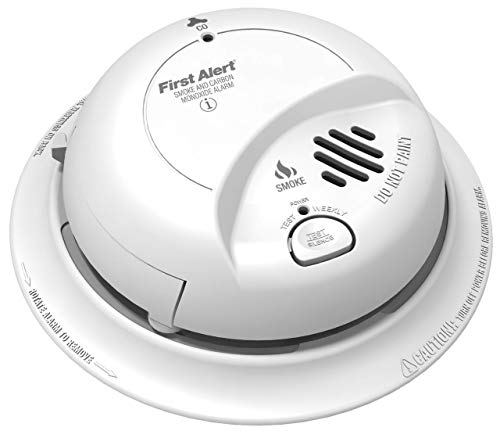
FIRST ALERT BRK SC9120FF Hardwired Smoke and Carbon Monoxide (CO) Detector with Battery Backup, 1 pack , White
Keep your family safe with this hardwired smoke and carbon monoxide alarm; The battery backup means constant monitoring,…
As an affiliate, we earn on qualifying purchases.
As an affiliate, we earn on qualifying purchases.
Frequently Asked Questions
How Often Should I Replace Smoke and CO Alarms?
You should replace your smoke and CO alarms every 8 to 10 years, as their alarm lifespan decreases over time. Regularly check and replace batteries at least once a year to guarantee proper function. If an alarm chirps or malfunctions before the recommended replacement date, replace it immediately. Proper maintenance, including battery replacement and timely alarm replacement, keeps your home safe from smoke and CO dangers.
Can Smoke and CO Alarms Be Interconnected Wirelessly?
Yes, smoke and CO alarms can be interconnected wirelessly, making it easier to monitor your home. You should check the wireless connectivity features and alarm compatibility before purchasing. Many modern alarms use Wi-Fi or Z-Wave technology, allowing you to connect multiple units without wiring. This setup ensures that when one alarm detects danger, all alarms sound simultaneously, providing better safety and peace of mind for you and your family.
What Is the Best Type of Alarm for a Kitchen?
You’re better off with a photoelectric smoke alarm in your kitchen, as it’s less likely to give false alarms from cooking fumes. For alarm placement, install it at least 10 feet from cooking appliances, on the ceiling or high on the wall. Think of it as hitting two birds with one stone—protect your home without unnecessary noise. A combination smoke and CO alarm might also be a smart choice for all-encompassing safety.
How Do I Test Alarms if I Have Hearing Impairment?
If you have a hearing impairment, you can test alarms using visual alert systems that flash lights or tactile alarm devices that vibrate. To check if they work, press the test button and observe if the visual system flashes or feel for the vibrations. Make sure these systems are installed correctly and functioning properly regularly. This way, you’re alerted effectively without relying solely on sound.
Are There Alarms Suitable for Outdoor Use or Garages?
Think of outdoor and garage alarms like lifeguards watching over a pool—they need to be tough and reliable. Yes, there are outdoor alarm options and garage-specific alarms designed to withstand weather and dust. These alarms often feature weatherproof casings, louder alerts, and longer-lasting batteries. Installing one guarantees you’re promptly warned of smoke or carbon monoxide, even in tough environments, giving you peace of mind just like a vigilant lifeguard.
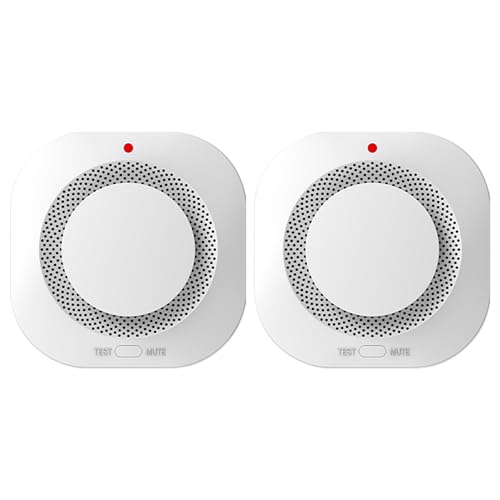
Photoelectric Smoke Detector Fire Alarm, Battery Operated, Smoke Alarm with Test Button & Low Battery Signal, LED Warning Light, 85-Decibel Alarm Sound, Easy Installation for Living Rooms and Bedrooms
【Dual Sensor Technology】Featuring dual-sensor photoelectric technology, this device has a lifespan of up to 10 years and excels…
As an affiliate, we earn on qualifying purchases.
As an affiliate, we earn on qualifying purchases.
Conclusion
Think of your smoke and CO alarms as loyal guardians watching over your home. When you place and test them properly, they stand ready like brave sentinels, quickly alerting you to danger. Neglect their care, and they become silent, leaving you vulnerable. Keep them vigilant with regular tests and correct placement, and they’ll be the watchful protectors you rely on—like brave knights guarding your castle, ensuring your safety stays protected every day and night.

3-Pack Interconnected Smoke Detectors and Carbon Monoxide Alarm with Test & Silence Button, Battery Powered, Smoke and CO Detector for Any Room, Peace of Mind
Whole-house coverage – When this interconnected smoke and carbon monoxide detector combo goes off, all associated devices are…
As an affiliate, we earn on qualifying purchases.
As an affiliate, we earn on qualifying purchases.

Interconnected Smoke and Carbon Monoxide Detector, 10-Year Battery Wireless Interlinked Smoke & CO Alarm with Dual Sensors, Home Fire & CO Safety Protection (3Pack)
✅【Dual Sensor Protection – Detects Both Smoke & CO】 Equipped with advanced photoelectric smoke and electrochemical sensors, this…
As an affiliate, we earn on qualifying purchases.
As an affiliate, we earn on qualifying purchases.