To test for radon, you can use short-term or long-term testing kits available online or at hardware stores. If high levels are detected, consider increasing ventilation through opening windows, installing vent fans, or upgrading your ventilation system to improve air flow. Sealing cracks and gaps also helps diminish radon entry. For more effective reduction, active soil depressurization systems can be installed. Keep in mind, continued testing ensures your home stays safe.
Key Takeaways
- Conduct short-term or long-term radon tests to determine indoor radon levels accurately.
- Increase ventilation by opening windows or installing vent fans to dilute radon concentration.
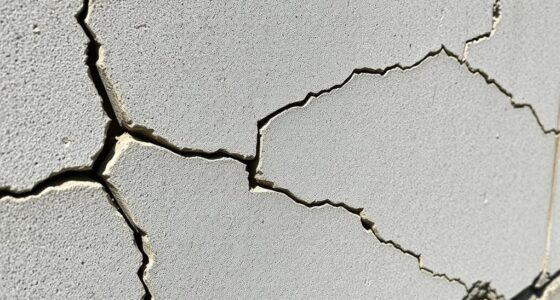
- Seal cracks and gaps in the foundation to reduce radon entry into the home.
- Install active soil depressurization systems to actively remove radon from beneath the building.
- Regularly test and maintain radon mitigation systems to ensure ongoing indoor safety.

Radon is a colorless, odorless radioactive gas that can seep into your home from the soil beneath. Because you can’t see or smell it, testing is essential to determine if radon levels pose a health risk. When radon accumulates indoors, it directly impacts your indoor air quality, which is essential for your health and comfort. One of the most effective ways to reduce radon exposure is by improving your building’s ventilation. Proper ventilation helps to dilute and remove radon from indoor spaces, lowering its concentration and keeping the air safer to breathe. You can start by ensuring your home has adequate airflow, especially in lower levels like basements and crawl spaces where radon tends to accumulate.
Installing vent fans or upgrading your existing ventilation system can make a noticeable difference. These systems work by expelling radon-laden air outside and bringing in fresh air from outside, which substantially improves indoor air quality. Sometimes, simple steps like opening windows or using exhaust fans can help temporarily, but a permanent solution usually involves more controlled ventilation systems. The key is to create a continuous flow of fresh air that prevents radon from building up to dangerous levels. Sealing cracks and gaps in your foundation also helps reduce radon entry, but ventilation is often necessary to manage the radon that does seep in. Additionally, understanding radon testing and mitigation options**** can help you choose the most effective strategies for your home.
Regular testing is essential because radon levels can fluctuate over time due to weather, ventilation habits, and changes in your home’s structure. You should perform short-term tests for initial screening and follow up with long-term tests for an accurate assessment. If high levels are detected, increasing building ventilation becomes a top priority. Professional mitigation options often include installing active soil depressurization systems, which actively pull radon from beneath your home and vent it outside. These systems are highly effective, especially when combined with good building ventilation strategies.
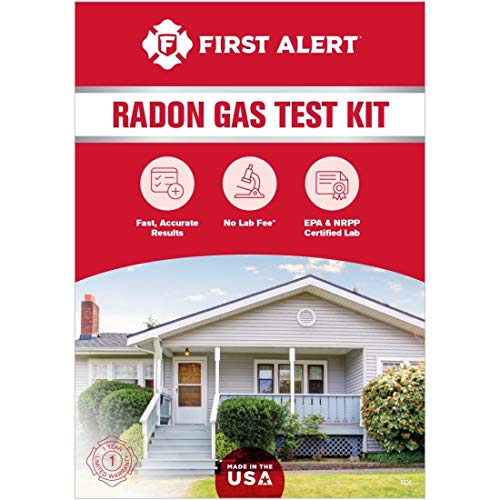
First Alert Radon Gas Test Kit, RD1
- Easy and safe radon testing: Simple, safe radon detection method
- EPA-listed for accuracy: Certified under EPA radon measurement program
- Includes test materials and lab fees: All necessary testing supplies included
As an affiliate, we earn on qualifying purchases.
As an affiliate, we earn on qualifying purchases.
Frequently Asked Questions
How Often Should I Retest My Home for Radon?
You should retest your home for radon every 2 years or after any major renovations, as testing frequency helps monitor radon exposure levels. If your initial test shows high radon levels, retest more often to make certain mitigation measures work effectively. Regular testing keeps you informed and reduces the risk of radon exposure, protecting your health and your family’s well-being. Stay proactive by scheduling retests regularly.
Are There Seasonal Variations in Radon Levels?
Like a vintage radio, radon levels can fluctuate with the seasons. You’ll notice higher indoor radon during colder months when windows stay shut, and lower levels in warmer seasons with more ventilation. These seasonal fluctuations are driven by environmental factors such as temperature changes and pressure differences. To stay safe, it’s best to test your home year-round and consider retesting after seasonal shifts to accurately monitor radon levels.
Can Radon Levels Differ Between Neighboring Homes?
Yes, radon levels can differ between neighboring homes. Variations often come from different radon sources like building materials or soil underneath. Some homes may have higher levels because of porous foundation materials or cracks that allow radon to seep in. Even small differences in construction or ventilation can impact radon levels, so testing each home individually is essential to determine accurate radon risk and necessary mitigation steps.
Is Professional Testing More Accurate Than DIY Kits?
You might think DIY kits are enough, but professional testing is far more accurate—like comparing a flashlight to a spotlight. DIY accuracy can vary due to user error or improper placement, risking false results. Professional testing uses advanced equipment and expert analysis, ensuring precise radon levels. For peace of mind and safety, investing in professional testing is the smarter choice, giving you reliable data to protect your home and family.
What Are the Costs Associated With Radon Mitigation?
Radon mitigation costs typically range from $800 to $2,500, depending on your home’s size and the system needed. You should get cost estimates from several professionals to compare mitigation expenses. Keep in mind, investing in proper mitigation can protect your health and reduce long-term expenses. While DIY options may seem cheaper initially, professional services often guarantee more effective and reliable radon reduction, saving you money and worry later.

V2262-50 7 Inch Bathroom Exhaust Fan, 50 CFM, 1.0 Sones, 7" Ceiling Exhaust Fan, for 8 Inch Diameter Rough-in Opening, Ideal Ventilation for Bathroom, Laundry Room, Mobile Home, Kitchen & Garage
- Effective Ventilation: Removes odors, moisture, and grease
- Quiet Operation: Reduces vibrations for quieter use
- Durable Design: Built for long-lasting performance
As an affiliate, we earn on qualifying purchases.
As an affiliate, we earn on qualifying purchases.
Conclusion
Now that you know your radon risks, take action to test and tackle the trouble. Don’t delay—detect, document, and defend your dwelling from dangerous radon. By choosing simple solutions and staying vigilant, you’ll secure your space and safeguard your health. Remember, proactive prevention prevents problems later. So, step up, scan, and seal—your safety starts with you. Protect your home, protect your health, and breathe easier knowing you’ve taken the right steps.

MIDCVFRUN 4 inch Radon Fan Installation Kit – 2 Speed Radon Mitigation Fan 260/188CFM Inline Centrifugal Fan with Rubber Couplers (4 inch x 3 inch) and Air Pressure Indicator
- Complete Radon Mitigation Kit: Includes fan, couplers, and pressure indicator
- Dual Speed Operation: High: 260 CFM, Low: 188 CFM
- Quiet Performance: 45dB at high speed, 32dB at low speed
As an affiliate, we earn on qualifying purchases.
As an affiliate, we earn on qualifying purchases.

RadonSeal Complete DIY Foundation Crack Repair Kit, Urethane Sealant, 10 Ft
- Drill-Free Injection: Effortless crack repair without drilling
- Easy to Use: Compatible with standard caulking guns
- Seals Hairline Cracks: Permanently seals small cracks to prevent leaks
As an affiliate, we earn on qualifying purchases.
As an affiliate, we earn on qualifying purchases.