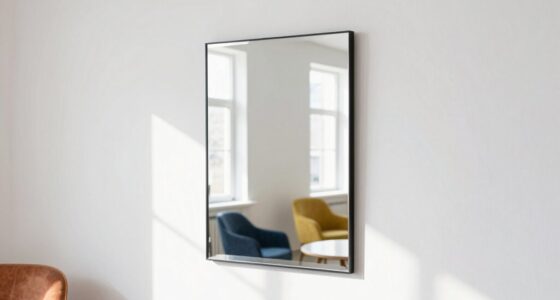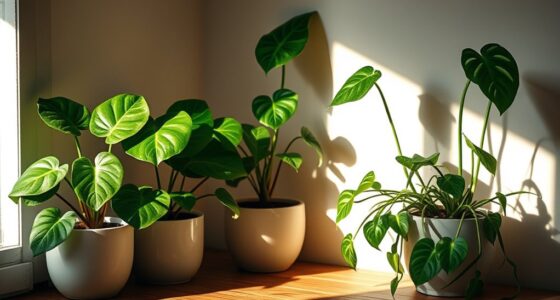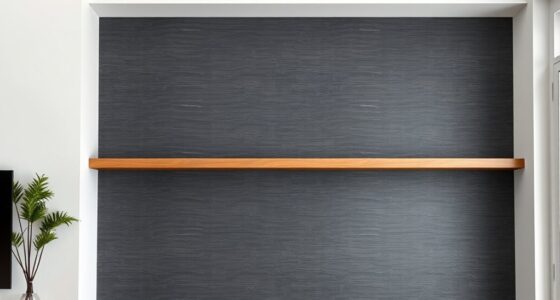
A room feels flat instead of layered when you stick to similar colors on walls and furniture, making everything blend together and lose depth. Predictable furniture arrangements and a lack of contrasting textures or patterns also flatten the space. Without visual interest from artwork, accessories, or varied lighting, the room can seem dull and uninviting. By adding contrast, textures, and thoughtful arrangements, you can turn a flat space into one full of dimension—more tips await if you keep exploring.

Get your next haul delivered free with Prime
- Fast, free delivery on millions of items
- Prime Video, Amazon Music and more included
- Member-only deals all year
Key Takeaways
- Using similar shades on walls and furniture causes blending and reduces perceived depth.
- Arranging furniture symmetrically or predictably makes the space feel static and flat.
- Lack of texture and pattern layering results in a monotonous, dull environment.
- Minimal or no contrast in decor and lighting diminishes visual interest and dimension.
- Failing to create focal points or vary element heights leads to a boring, flat appearance.
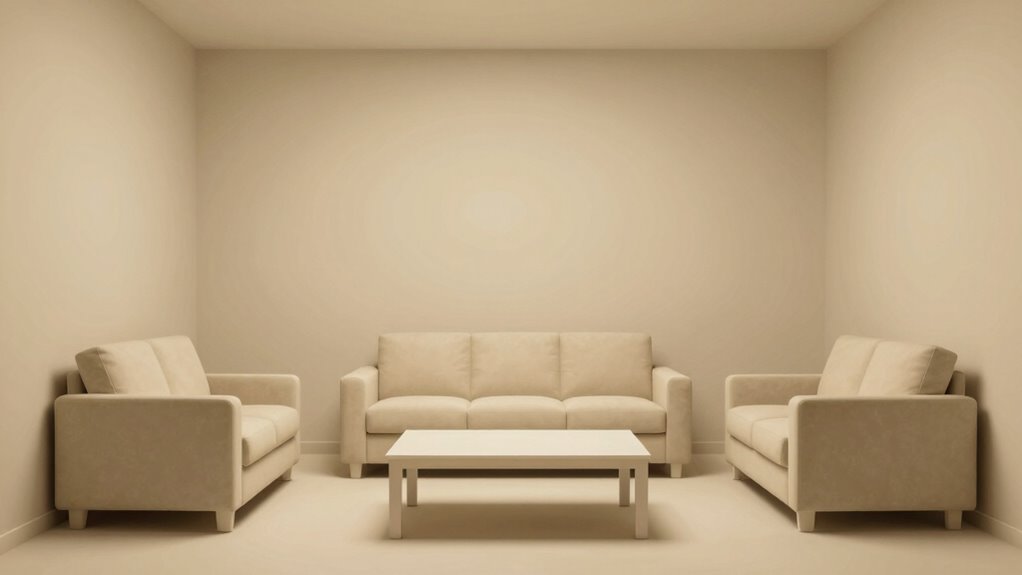
A room can feel flat when it lacks visual depth and complexity, making it seem dull or uninspired. One of the main reasons this happens is because the space doesn’t have enough contrast or variety in its elements. For instance, if you use similar shades of paint on the walls and furniture, everything blends together, and your room loses its sense of dimension. To avoid this, you should focus on creating strong color contrast. Pairing light walls with darker furniture, or vice versa, instantly adds depth. Bright accent pieces against neutral backgrounds can also break up the monotony, making the room more engaging and visually layered.
Another key factor is furniture arrangement. When furniture is placed too symmetrically or in a predictable pattern, the space can become static and flat. Instead, experiment with different layouts that create interesting sightlines and focal points. For example, positioning a statement piece like a bold sofa or a colorful armchair off-center can add visual interest. Incorporate varied heights and shapes of furniture to create a dynamic flow, which guides your eye around the room. Avoid blocking windows or pathways with bulky pieces, as this can make the space feel cramped and uninviting. Instead, leave open areas that allow for natural movement and visual breathing room.
Adding layers of texture and pattern further enhances the sense of depth. Throw in textured cushions, rugs, and curtains that contrast with smooth surfaces. Mix patterns—stripes, florals, geometric shapes—to prevent the space from feeling flat. These layers create visual intrigue, encouraging your eye to explore different parts of the room. Incorporating visual contrast through artwork or decorative accessories can further emphasize the layered appearance. Additionally, using different lighting techniques, such as dimmable fixtures or layered lamps, can help highlight these layers and create a more dynamic environment. Employing varied lighting also helps to highlight the layered elements within the room, making the space feel more multifaceted.
Ultimately, making your room feel layered isn’t just about choosing the right colors or furniture; it’s about how you combine and arrange these elements thoughtfully. By intentionally creating color contrast, experimenting with furniture arrangement, and adding texture and varied lighting, you transform a flat space into a lively, inviting environment. Your goal should be to craft a space that feels vibrant and full of visual interest, where every element contributes to a sense of depth and personality.
Products Worth Considering

LEVOIT Vital 200S-P Smart Air Purifier for Large Rooms

Dyson Big Ball Multi Floor Canister Vacuum, Yellow

Hisense 85 U6 Pro Series Mini-LED ULED 4K UHD HDR Gaming AI Smart Fire TV (85U6SF Pro)
As an affiliate, we earn on qualifying purchases.
Frequently Asked Questions
How Do Color Choices Affect Room Depth and Layering?
Color choices greatly influence room depth and layering by using color contrast and hue harmony. You can create depth by combining contrasting hues, making certain areas pop, while harmonious colors unify the space for a layered look. When selecting colors, think about how bold contrasts add dimension, and subtle hue harmony creates a cohesive, layered effect that makes your room feel more inviting and visually interesting.
Can Lighting Impact the Perception of Room Layering?
Lighting definitely impacts how you perceive room layering. When ambient shadows gently highlight different areas, it creates visual depth, making focal points stand out and adding dimension. Without intentional lighting, a room can feel flat, as if all surfaces blend together. By carefully placing lights to emphasize layered elements, you transform a space from plain to dynamic, inviting your eyes to explore the various levels and textures naturally.
What Role Does Furniture Placement Play in Creating Depth?
Your furniture placement plays a vital role in creating depth by emphasizing the room’s spatial arrangement and guiding the eye toward focal points. When you arrange furniture to avoid clutter and leave open pathways, you introduce layers that add visual interest. Positioning key pieces near focal points, like a fireplace or window, helps anchor the space, making it feel more dynamic and inviting instead of flat and static.
How Does Clutter Influence the Feeling of Flatness?
A cluttered surface can make your room feel flat rather than layered. For example, imagine a living room with visible belongings scattered across tables and shelves. This excess clutter distracts the eye and reduces perceived depth, making the space seem less inviting. Removing unnecessary items and organizing visible belongings creates visual breaks, allowing your room to breathe, adding dimension and making it feel more thoughtfully designed.
Are There Specific Textures That Enhance Room Layering?
Yes, incorporating specific textures can markedly enhance room layering. You should aim for textural contrast and tactile variety, mixing smooth, rough, soft, and hard surfaces. For example, pair a plush rug with sleek metal accents or add woven baskets alongside glass decor. These combinations create visual interest and depth, preventing your space from feeling flat. By thoughtfully combining different textures, you make your room more inviting and multidimensional.
Conclusion
So, ironically, the secret to avoiding that flat, lifeless room isn’t about piling on more—it’s about knowing when to hold back. Sometimes, less truly is more. By carefully balancing your elements and embracing simplicity, you create depth without clutter. Instead of overwhelming your space, let it breathe. After all, a room that feels layered isn’t about filling every inch; it’s about knowing what to leave out. Who knew that restraint could be your ultimate design secret?