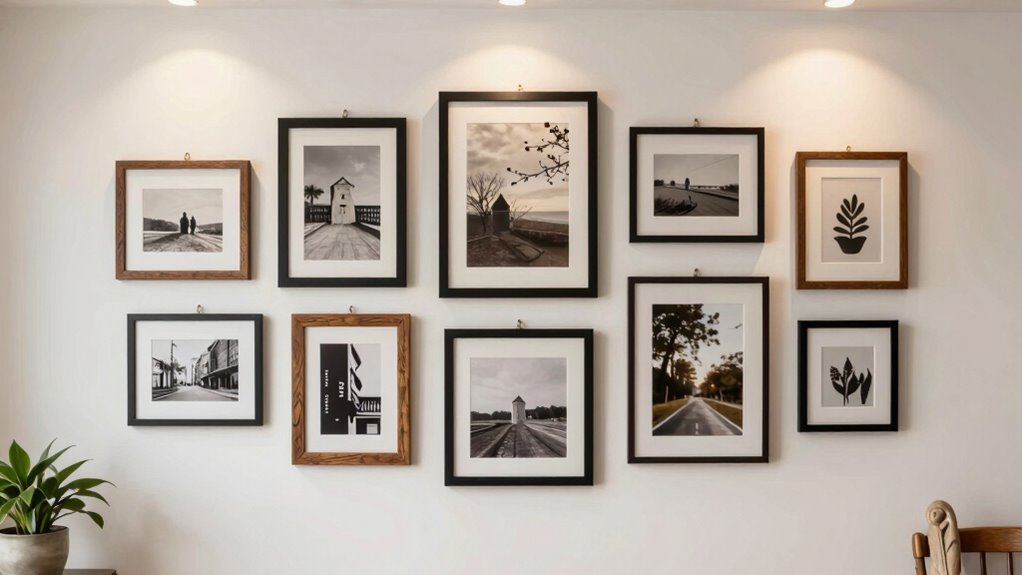

To make a gallery wall look intentional, focus on curating artwork that reflects your personal style and creates cohesion through consistent framing or complementary colors. Arrange pieces thoughtfully, balancing large and small works with even spacing and focal points that guide the eye naturally. Pay attention to color coordination and overall layout to guarantee harmony. When your display feels deliberate and balanced, it elevates your space—keep going to discover even more tips for perfecting your gallery wall.

Get your next haul delivered free with Prime
- Fast, free delivery on millions of items
- Prime Video, Amazon Music and more included
- Member-only deals all year
Key Takeaways
- Use consistent framing styles and materials to create visual harmony and cohesion.
- Plan layout carefully, balancing large and small pieces with even spacing for a deliberate arrangement.
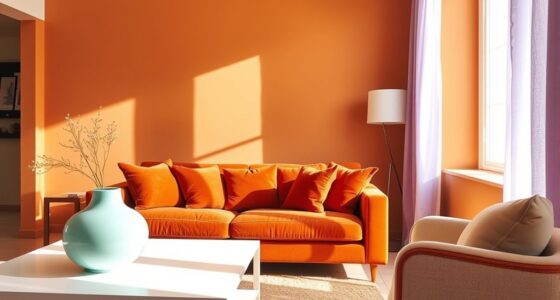
- Coordinate colors of artwork and frames with the room’s color scheme for unified aesthetics.
- Incorporate visual balance by avoiding clutter and ensuring harmonious placement of all pieces.
- Curate a meaningful collection that reflects personal style and tells a cohesive visual story.
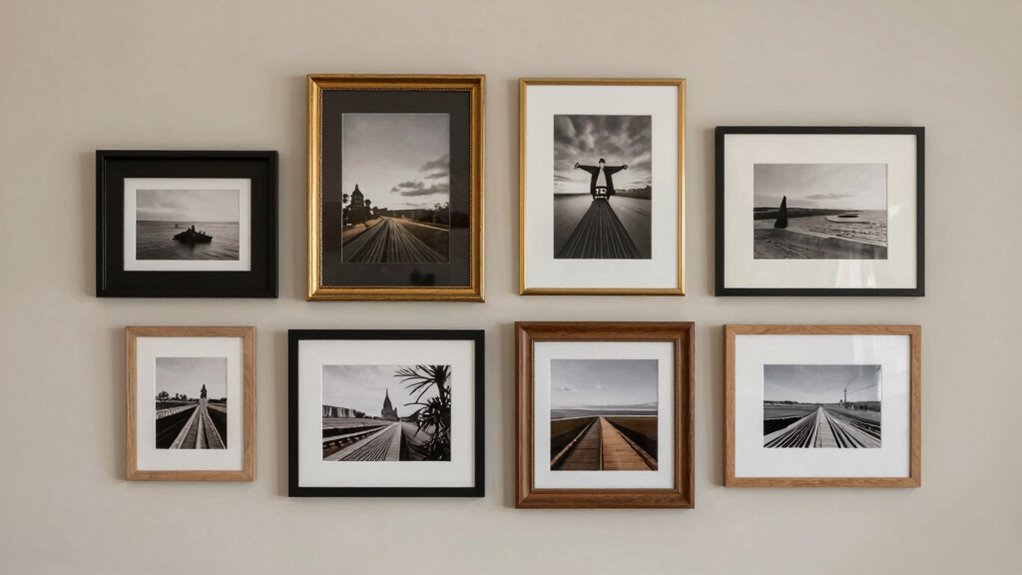
Ever wondered how to create a stunning gallery wall that truly reflects your style? The secret lies in intentional design choices that make the arrangement feel cohesive rather than cluttered. One of the key elements is framing techniques. When selecting frames, aim for consistency in style or finish, such as all black metal or antique gold. This doesn’t mean every frame has to be identical, but maintaining a similar style or material helps tie the collection together. You can also vary frame sizes and shapes to add visual interest, but make certain they complement each other rather than clash. Proper framing creates a unified look that anchors the entire display, making each piece feel deliberate rather than haphazardly placed. Incorporating visual balance ensures your gallery wall remains harmonious and pleasing to the eye. Color coordination plays an equally important role. When planning your gallery wall, consider the overall color scheme of the room and choose artwork and frames that align with it. For example, if your space features neutral tones, select artwork with subtle hues or black-and-white prints to maintain harmony. Alternatively, if you want a pop of vibrancy, incorporate artwork with bold colors that complement the room’s palette. The goal is to create a balanced visual flow, so your eye isn’t distracted by jarring mismatches. Think about how the colors in your artwork interact with the frames—sometimes choosing frames that pick up on key colors in your art helps create a cohesive look. Beyond framing and color, the arrangement itself contributes to an intentional appearance. Use a mix of large and small pieces, but plan their placement carefully. Measure your wall and lay out the arrangement on the floor or digitally to see how different configurations work before committing to holes in the wall. Spacing matters, too; consistent gaps between frames—whether a few inches or more—can make the display feel more deliberate. The overall composition should feel balanced, with focal points that draw the eye naturally, avoiding a scattered or chaotic vibe. Paying attention to frame consistency can significantly enhance the overall cohesiveness of your gallery wall. In the end, an intentional gallery wall isn’t just about hanging art; it’s about curating a visual story that resonates with your personal style. Through thoughtful framing techniques, careful color coordination, and deliberate arrangement, you craft a display that feels cohesive and meaningful. When all these elements come together, your gallery wall transforms from a simple collection into a curated masterpiece that elevates your space and speaks volumes about your aesthetic sensibilities.
As an affiliate, we earn on qualifying purchases.
Frequently Asked Questions
How Do I Choose a Unifying Theme for My Gallery Wall?
To choose a unifying theme for your gallery wall, focus on color coordination and style consistency. Pick a color palette that ties all your pieces together, whether through matching tones or complementary shades. Maintain a cohesive style—like modern, vintage, or eclectic—so everything feels connected. This approach creates a harmonious look that appears intentional, making your gallery wall a curated, eye-catching display rather than a collection of random art.
What Are the Best Frame Styles for an Intentional Look?
Think of your gallery wall as a well-curated art collection; choosing classic black or white frames creates a timeless, cohesive look. Opt for wood or metal frames with similar materials to enhance unity. Color coordination is key—matching frame hues with your room’s palette or artwork helps everything flow seamlessly. Select styles that complement your theme, whether sleek modern or vintage charm, ensuring every piece feels intentional and harmonious.
How Can I Incorporate Different Art Sizes Without Clutter?
You can incorporate different art sizes without clutter by balancing color coordination and shape variation. Start with a central piece and arrange smaller works around it, ensuring colors complement each other. Mix shapes—rectangles, circles, or irregular forms—to add visual interest. Keep consistent framing styles and spacing, which creates a cohesive look. This approach maintains an intentional, curated feel while allowing diverse sizes and styles to coexist harmoniously.
What Are Common Mistakes to Avoid in Gallery Wall Design?
Imagine your gallery wall as a musical composition—avoid clashing notes by steering clear of poor color coordination and uneven asymmetrical balance. Don’t overcrowd spaces or hang frames too close, creating visual chaos. Steer clear of inconsistent frame styles or sizes that disrupt harmony. Instead, aim for a cohesive look, balancing varying art sizes with thoughtful placement. Keep it deliberate, not accidental, ensuring each piece sings in harmony with the rest.
How Often Should I Update or Change My Gallery Wall?
You should update your gallery wall every 6 to 12 months to keep it fresh. When doing so, consider color coordination to maintain harmony and use spacing techniques to balance new and existing pieces. If your style or decor changes, updating more frequently can reflect your evolving taste. Regular updates prevent the wall from feeling outdated, helping it stay intentional and visually appealing.
black metal photo frames for gallery wall
As an affiliate, we earn on qualifying purchases.
As an affiliate, we earn on qualifying purchases.
Conclusion
Creating an intentional gallery wall is like orchestrating a masterpiece—you want every piece to sing in harmony. Stick to a cohesive theme, mix frame styles thoughtfully, and balance your layout with purpose. Don’t be afraid to get creative, but remember, the magic lies in the details. When you put genuine effort into planning, your gallery wall becomes a stunning focal point that transforms your space into a work of art—truly unforgettable and breathtaking.
artwork and frame coordinating set
As an affiliate, we earn on qualifying purchases.
As an affiliate, we earn on qualifying purchases.
wall layout template for gallery wall
As an affiliate, we earn on qualifying purchases.
As an affiliate, we earn on qualifying purchases.
Fall Picks
fall essentials
As an affiliate, we earn on qualifying purchases.