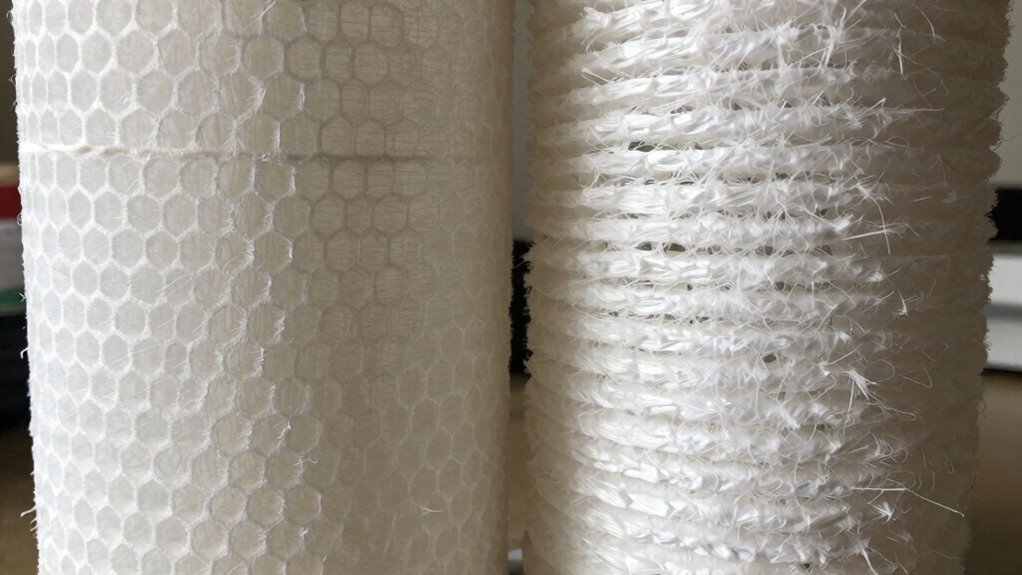

When comparing HEPA and HEPA-like filters, focus on their efficiency ratings listed in the specifications. A true HEPA filter captures at least 99.97% of particles as small as 0.3 microns, indicating high performance. HEPA-like filters may not meet these standards, so check their particle capture percentage. Also, consider maintenance needs and recommended replacement intervals. If you’re interested in understanding these details better, you’ll find useful insights as you explore further.
Key Takeaways
- Check the efficiency rating in the filter specifications; true HEPA filters capture ≥99.97% of 0.3-micron particles.
- HEPA filters meet strict standards, while HEPA-like filters may have lower particle removal percentages.
- Review manufacturer documentation to understand the filter’s tested performance and compliance standards.
- Compare the media density: dense fiber mats in HEPA filters ensure higher filtration, while HEPA-like filters may be less dense.
- Consider maintenance requirements; HEPA filters often need more frequent replacement due to clogging, impacting performance.

When choosing air filtration systems, understanding the difference between HEPA and HEPA-like filters is crucial. These filters are designed to improve indoor air quality, but they vary considerably in how they perform and what they require to keep working effectively. One of the key factors to contemplate is filter efficiency. HEPA filters are tested to meet strict standards, capturing at least 99.97% of airborne particles as small as 0.3 microns. This high level of efficiency makes them ideal for allergy sufferers, asthma patients, and environments where clean air is critical. HEPA-like filters, on the other hand, may not adhere to such rigorous standards. They often capture a lower percentage of particles, which can compromise overall air quality, especially in spaces with high pollutant levels. When evaluating a filter, check the specifications for its efficiency rating to guarantee it meets your needs. If you’re sensitive to airborne irritants or require the highest purity, a true HEPA filter is usually the safer choice.
Another important aspect to contemplate is maintenance requirements. HEPA filters tend to need more attention, primarily because they are composed of dense fiber mats that trap particles effectively but can become clogged over time. This means you’ll need to replace or clean them regularly, often every 6 to 12 months, depending on usage and air quality. Neglecting proper maintenance can reduce their effectiveness and strain your HVAC system or air purifier. HEPA-like filters typically have less dense media, which means they may last longer between replacements and are generally easier to maintain. However, because they aren’t as efficient, you might find yourself replacing them more frequently or needing additional filtration methods to achieve the same air quality. Always review the manufacturer’s recommendations for maintenance to guarantee the filter continues to perform at its best. Additionally, understanding the filter efficiency standards helps ensure you select the appropriate product for your indoor air needs.
Frequently Asked Questions
Are Hepa-Like Filters Effective Against Viruses?
HEPA-like filters can be somewhat effective against viruses, but their filter efficiency for virus filtration varies. They typically capture larger particles, but may not meet the strict standards of true HEPA filters. If you’re concerned about virus protection, look for filters labeled with high filter efficiency and certified for virus filtration. Keep in mind, HEPA filters provide more reliable virus filtration, so choose accordingly for better safety.
How Do HEPA and HEPA-Like Filters Compare in Cost?
Ever wondered which filter saves you more money? HEPA filters tend to be more expensive upfront but often last longer, reducing overall replacement costs. HEPA-like filters are usually cheaper initially but may need more frequent replacements, increasing long-term expenses. So, when considering cost, compare their filter lifespan and replacement costs to see which option fits your budget best. Isn’t saving money worth a closer look?
Can Hepa-Like Filters Be Used in Medical Settings?
You can use HEPA-like filters in medical settings if they meet specific air quality standards, but they typically don’t match the filtration efficiency of true HEPA filters. These filters use different filter materials that may not capture tiny particles like bacteria or viruses as effectively. Always verify that the filter’s specifications align with medical air quality requirements before installation to guarantee safety and compliance.
What Maintenance Is Required for Hepa-Like Filters?
Imagine a gentle breeze flowing through your space, keeping the air fresh and clean. To maintain your HEPA-like filters, you need to replace them regularly based on manufacturer guidelines. Follow proper cleaning procedures—vacuum or wipe the filter surface if washable—and inspect for dust buildup or damage. This routine ensures ideal performance, prolongs filter life, and keeps your environment healthy and allergen-free.
Do Hepa-Like Filters Meet Industry Standards?
You’ll find that HEPA-like filters often don’t fully meet industry certification standards for air quality, as they’re not always tested to the same rigorous criteria. While they can improve air quality, they may not filter out tiny particles as effectively as true HEPA filters. It’s important to check if the filter has certification standards that guarantee it meets specific air quality requirements, ensuring you get reliable filtration performance.
Conclusion
Think of HEPA and HEPA-like filters as guardians at a castle gate—one fully armored, the other in lighter armor. While both defend against unwanted intruders, their strength differs. Knowing which shield to choose depends on what you need to protect. By understanding their specs, you can select the right defender, ensuring your space stays safe and clean—like a fortress fortified against unseen invaders. Make wise choices, and keep your environment secure.