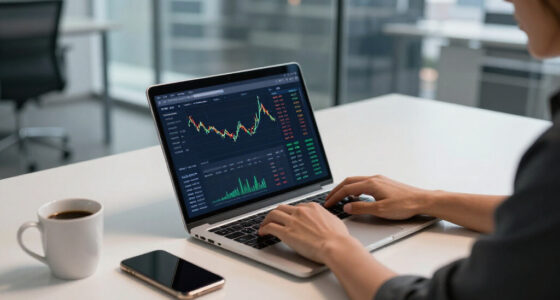
You can tell an appliance is using too much energy if it runs constantly, has longer cycles, or if you notice a sudden jump in your bills without increased usage. Mechanical issues like worn-out parts or faulty compressors can also cause higher energy use. Using smart plugs or monitoring your consumption regularly helps spot these problems early. Keep examining your appliances; there’s more to discover if you want to keep energy costs in check.

Get your next haul delivered free — and shop member deals
- Fast, free delivery on millions of items
- Access to Prime Big Deal Days deals on October 6–7
- Prime Video, Amazon Music and more included
Key Takeaways
- Monitor energy bills for unexplained increases without usage changes.
- Use smart plugs or energy monitors to track real-time appliance consumption.
- Observe appliances for longer cycles or unusual operation patterns.
- Check for mechanical issues like failing compressors or worn-out parts.
- Regularly maintain appliances to prevent efficiency loss and detect early signs of malfunction.
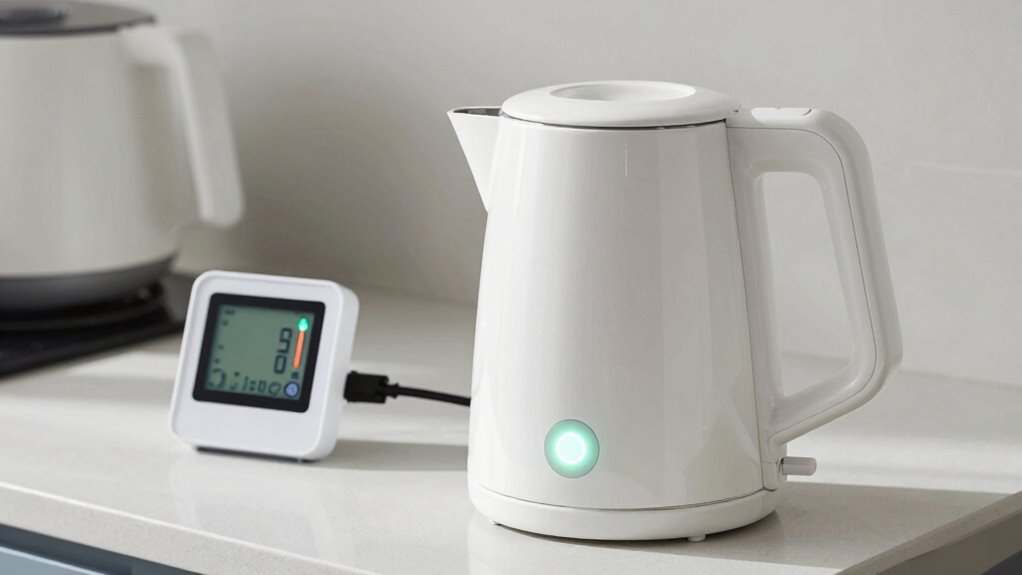
Many household appliances can quietly drain your energy without you realizing it, leading to higher utility bills and unnecessary wear on your devices. If you want to cut costs and extend your appliances’ lifespan, it’s essential to identify when they’re consuming more power than they should. One effective way is to observe their behavior over time. For example, if your refrigerator runs constantly or your washing machine takes longer than usual to complete cycles, these could be signs that the appliance is working harder than necessary. Monitoring your energy bills can also reveal anomalies—sudden increases without a change in usage habits suggest that an appliance may be using excess energy.
Next, consider performing regular manual checks or using smart plugs with energy monitoring features. These devices provide real-time data on how much power each appliance consumes, helping you pinpoint energy hogs. Appliances that draw markedly more power than their typical range could be malfunctioning or nearing the end of their effective lifespan. Identifying such units early allows you to plan for replacements or upgrades, which can be a wise investment in energy efficiency. Upgrading to newer, energy-efficient appliances not only reduces your utility bills but also minimizes environmental impact. Modern appliances are designed to operate with less energy, and many come with smart features that optimize performance and energy use.
If you notice that an appliance is consuming more energy than usual, it’s often a sign that it’s aging or experiencing mechanical issues. For instance, a refrigerator with a failing compressor or a dishwasher with worn-out parts will work harder, increasing energy consumption. Replacing these with energy-efficient upgrades can improve their performance and extend their lifespan by reducing stress on their components. Additionally, maintaining your appliances—cleaning filters, defrosting freezers, and inspecting cords—can help prevent unnecessary energy drain and prolong their usability. Regular energy monitoring can also help you detect inefficiencies early before they become costly problems, especially if you utilize smart technology to track usage patterns and predict potential failures. Incorporating preventative maintenance practices can further ensure your appliances operate efficiently over time.
To maximize the benefits, staying informed about energy consumption patterns and understanding typical usage ranges can help you quickly identify when an appliance is deviating from normal operation.
As an affiliate, we earn on qualifying purchases.
Frequently Asked Questions
Can Energy Usage Vary Depending on the Appliance’s Age?
Yes, energy usage can vary depending on the appliance’s age. Over time, appliances experience wear and tear, affecting their lifespan and causing energy efficiency variations. Older models often consume more energy because they’re less efficient than newer ones. Regular maintenance and upgrades can help reduce energy consumption, ensuring your appliances run at their best. Keep an eye on your appliance’s age and performance to manage energy use effectively.
Are Smart Meters Necessary to Monitor Appliance Energy Consumption?
Smart meters aren’t essential, but they’re like having a personal energy detective. With energy monitoring from a smart meter, you get real-time data on your appliance use, making it easier to spot high energy hogs. If you want detailed insights and want to cut costs, a smart meter is a smart move. Without it, you can still track energy use manually, but it’s less precise and more time-consuming.
How Often Should I Check My Appliances’ Energy Efficiency?
You should check your appliances’ energy efficiency at least once a year through an energy audit. This helps you identify usage patterns and spot appliances that consume too much power. Regular monitoring ensures you stay aware of your energy habits, allowing you to make adjustments that save money and reduce your carbon footprint. Keeping an eye on your appliances’ efficiency helps you maintain maximum usage and prevent unnecessary energy waste.
Do All Appliances Have a Visible Energy Rating Label?
Like a secret code, not all appliances have visible energy ratings labels. Many modern appliances display energy labels that clearly show their efficiency, but some older models or smaller devices might lack these labels. To stay informed, check the appliance ratings section on the product or in the user manual. If you’re unsure, look for the energy label details online or contact the manufacturer to confirm you’re making energy-conscious choices.
Can Plugging Appliances Into Power Strips Reduce Energy Use?
Plugging appliances into power strips doesn’t necessarily reduce energy use, but it can improve electrical safety and convenience. Using the right power strip types, like those with surge protection, helps prevent electrical hazards. Remember, turning off or unplugging devices when not in use is more effective. Power strips are great for managing multiple devices safely, but always prioritize electrical safety and choose strips suited for your appliances’ power needs.
appliance energy consumption monitor
As an affiliate, we earn on qualifying purchases.
As an affiliate, we earn on qualifying purchases.
Conclusion
By paying attention to unusual energy bills, listening for strange noises, and noticing appliances that run longer than usual, you can identify when your appliances are using too much energy. Recognize the signs, understand the patterns, and act promptly. Monitoring regularly, diagnosing early, and maintaining properly are the keys. Stay vigilant, stay informed, and keep your energy consumption under control. When you do, you’ll save money, extend appliance life, and reduce your environmental impact.
As an affiliate, we earn on qualifying purchases.
smart energy meter for appliances
As an affiliate, we earn on qualifying purchases.
As an affiliate, we earn on qualifying purchases.
Halloween Picks
halloween
As an affiliate, we earn on qualifying purchases.