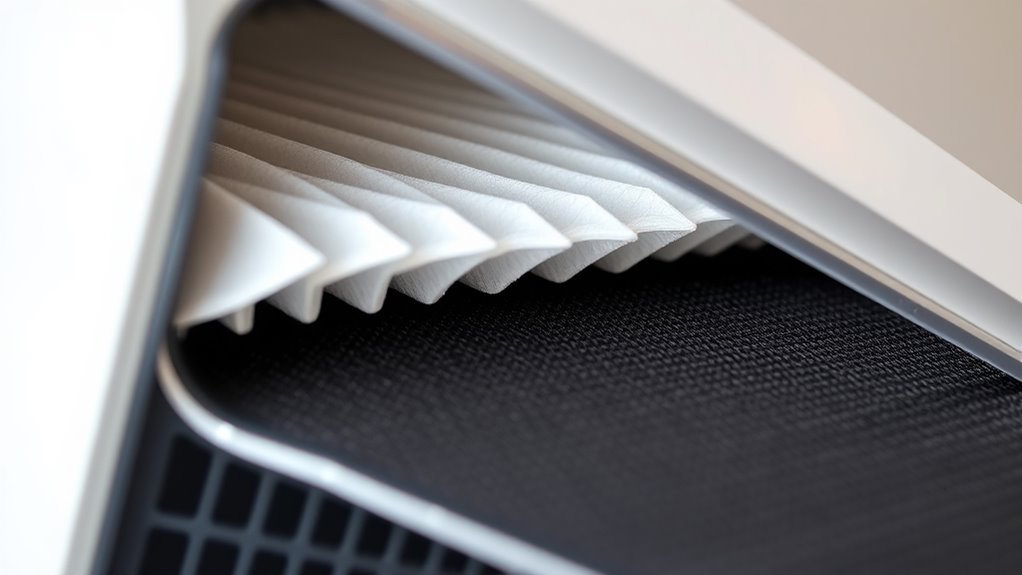
When choosing air purifier filters, HEPA filters capture tiny particles like pollen, pet dander, and dust mites, while carbon filters absorb odors, gases, and fumes. Regularly maintaining and replacing these filters guarantees your device works efficiently, helping you breathe cleaner, healthier air. Proper upkeep prevents harmful particles from circulating and maintains peak performance. Want to learn more about how to get the most out of your filters and keep your indoor air fresh? Keep going for expert tips.

Get your next haul delivered free with Prime
- Fast, free delivery on millions of items
- Prime Video, Amazon Music and more included
- Member-only deals all year
Key Takeaways
- HEPA filters capture 99.97% of airborne particles as small as 0.3 microns, effectively removing allergens and pollutants.
- Carbon filters absorb odors, gases, volatile organic compounds (VOCs), and chemical fumes for fresher indoor air.
- Regular replacement or cleaning of HEPA and carbon filters maintains optimal filtration efficiency.
- Combining HEPA and carbon filters enhances overall air purification by targeting particles and odors simultaneously.
- Proper maintenance extends air purifier lifespan and ensures continuous removal of allergens and indoor pollutants.
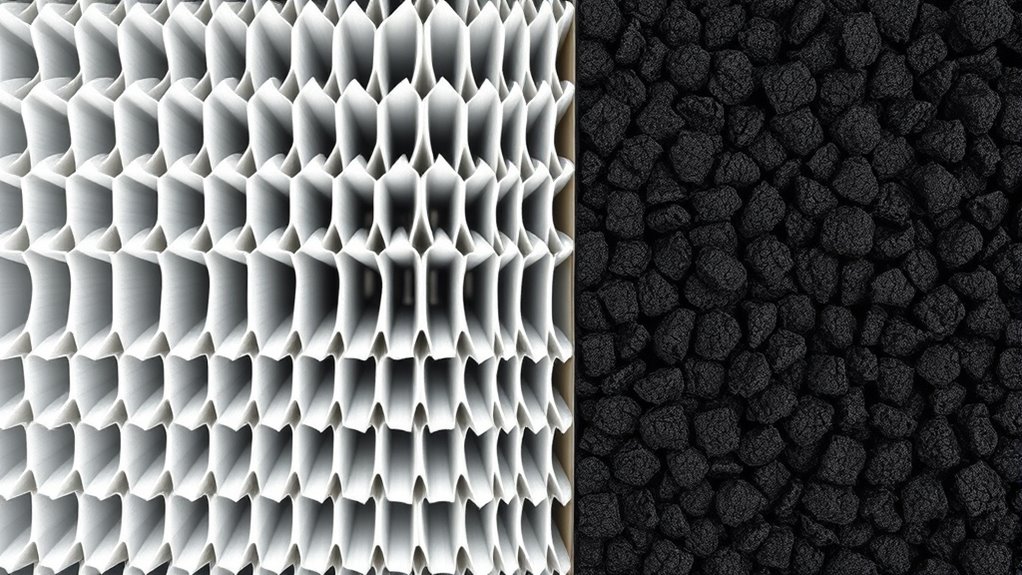
Air purifier filters play a essential role in improving indoor air quality by capturing pollutants, allergens, and odors. When you choose an air purifier, understanding how filters work and how to keep them in top condition is crucial for maximum performance. Regular filter maintenance ensures your device can effectively remove allergens, dust, pet dander, mold spores, and airborne chemicals. Neglecting filter maintenance can reduce the purifier’s efficiency, allowing harmful particles to circulate freely in your environment.
Regular filter maintenance keeps your air purifier running efficiently and ensures cleaner, healthier indoor air.
You should check your filters frequently, especially if you live in a high-pollution area or have pets. Most HEPA filters, for instance, need replacement every 6 to 12 months, depending on usage and air quality. The key to allergen removal lies in proper filter maintenance; when filters become clogged or dirty, they lose their ability to trap tiny particles. Replacing filters on time guarantees your air purifier maintains its high filtration standards, providing relief from allergy symptoms like sneezing, coughing, and itchy eyes. If you notice a decline in air quality or a decrease in airflow, it’s a sign that your filter needs attention.
HEPA filters are especially effective at allergen removal because they trap particles as small as 0.3 microns with high efficiency. They are designed to capture pollen, pet dander, dust mites, and other common indoor allergens. By maintaining these filters properly, you ensure they continue to act as a barrier, preventing allergens from circulating back into your breathing space. Additionally, using high-quality filters can significantly improve overall air purification performance. The process of filter maintenance isn’t complicated, but it’s essential to follow the manufacturer’s instructions regarding cleaning or replacing filters. Some units allow for washable filters, which can be cleaned and reused, while others require replacement. Doing this regularly will keep your air purifier functioning at peak performance, providing cleaner, healthier air for you and your family.
In addition to changing filters, you should also keep the surrounding area of your device clean to prevent dust buildup that could impact its operation. Regularly inspecting your filters and replacing them as needed is a simple step that dramatically improves allergen removal. Remember, a well-maintained filter system doesn’t just improve air quality; it also extends the lifespan of your air purifier. By staying attentive to filter maintenance, you ensure continuous, effective filtration, creating a healthier indoor environment free from irritants and pollutants. Ultimately, the effort you put into maintaining your filters translates into fresher, cleaner air that supports your overall well-being.
Products Worth Considering

LEVOIT Vital 100S-P Smart Air Purifier with Washable Pre-Filter

Levoit Core 600S-P Smart Air Purifier for Large Rooms

Philips Hue Bridge Pro Smart Lighting Hub
As an affiliate, we earn on qualifying purchases.
Frequently Asked Questions
How Long Do HEPA and Carbon Filters Typically Last?
HEPA filters usually last around 6 to 12 months, while carbon filters need replacing every 3 to 6 months. To guarantee maximum filter maintenance, check your air purifier’s guidelines and monitor air quality regularly. If you notice reduced airflow or lingering odors, it’s time to replace the filters. Proper maintenance keeps your air clean and healthy, making air quality monitoring essential for timely replacements.
Can Filters Be Recycled or Reused?
Think of your filters as sponges soaking up pollutants—they can’t be reused forever. Most HEPA and carbon filters aren’t recyclable, so you should consider filter disposal carefully. However, eco-friendly alternatives like reusable filters or charcoal bags reduce waste and lessen your environmental footprint. While recycling options are limited, choosing sustainable options helps protect the planet while keeping your air clean.
Do Filters Remove Odors Effectively?
Yes, filters can remove odors effectively when you perform proper filter maintenance. Activated carbon filters are especially good at odor elimination because they absorb smells from pets, cooking, and smoke. To keep them working well, replace or clean your filters as recommended. This guarantees peak odor removal and maintains your air purifier’s efficiency. Regular filter maintenance is key to enjoying fresh, odor-free air in your space.
Are There Filters Suitable for Allergy Sufferers?
Imagine you’re allergic to pollen and pet dander; you need an allergy-friendly air purifier. These filters often feature HEPA technology, which captures 99.97% of airborne particles, making them ideal for allergy sufferers. Some models also allow filter customization, so you can add specialized filters for specific allergens. By choosing the right allergy-friendly options, you enhance your air quality, reducing allergy symptoms and creating a healthier living space.
How Often Should Filters Be Replaced for Optimal Performance?
You should replace your air purifier filters every 6 to 12 months for peak performance. Regular filter maintenance ensures your device effectively captures allergens and pollutants. Follow the replacement guidelines provided by the manufacturer, as some filters may need more frequent changes, especially if you have allergies or live in areas with high pollution. Keep an eye on filter signs like reduced airflow or visible dirt to know when it’s time for a change.
Conclusion
Just like the hero’s journey, choosing the right air purifier filters—HEPA and carbon—guides you toward a healthier environment. By understanding their roles, you’re taking control of your space, transforming it into a sanctuary. Think of these filters as your allies in the battle against unseen enemies, much like the lantern in a dark forest. Trust in their power, and breathe easier, knowing you’re forging a path to purity and peace within your own story.