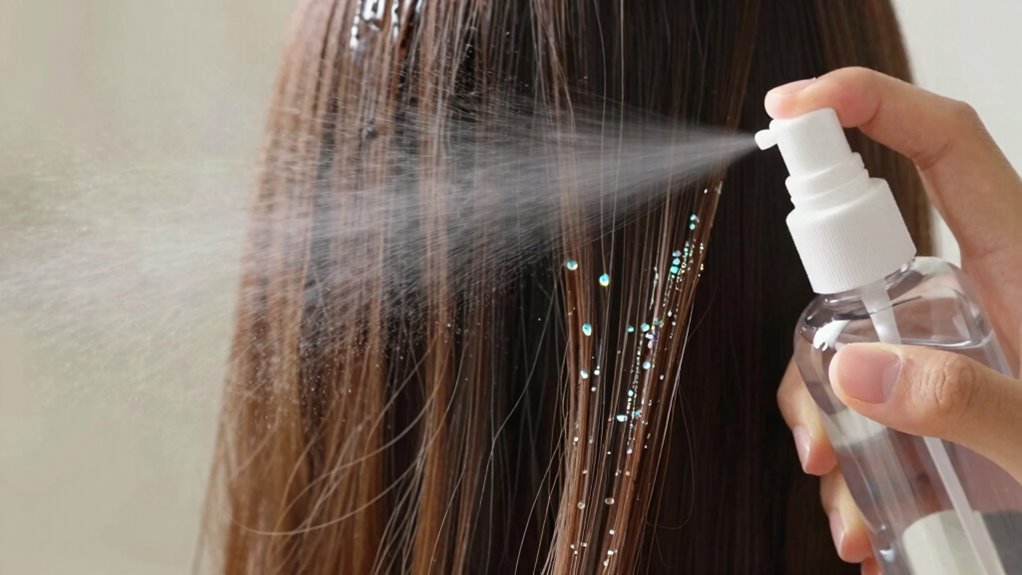

A heat protectant works by forming a barrier around your hair strands, reducing moisture loss and preventing damage from high-temperature styling tools like flat irons and blow dryers. To get the best protection, apply a small amount evenly on damp or dry hair, focusing on mid-lengths and ends. Using too little may leave your hair unprotected, while too much can weigh it down. Keep these tips in mind to keep your hair healthy—there’s more to learn if you keep going.

Get your next haul delivered free with Prime
- Fast, free delivery on millions of items
- Prime Video, Amazon Music and more included
- Member-only deals all year
Key Takeaways
- Heat protectants form a barrier that shields hair from high temperatures, reducing damage like dryness and split ends.
- Apply a small, even amount on damp or dry hair, focusing on mid-lengths and ends for optimal coverage.
- Allow the product to absorb fully into hair before using heat styling tools to maximize protection.
- Use the right amount—enough to coat hair without weighing it down—to maintain volume and health.
- Combining proper product application with adjustable heat tools minimizes heat damage during styling.
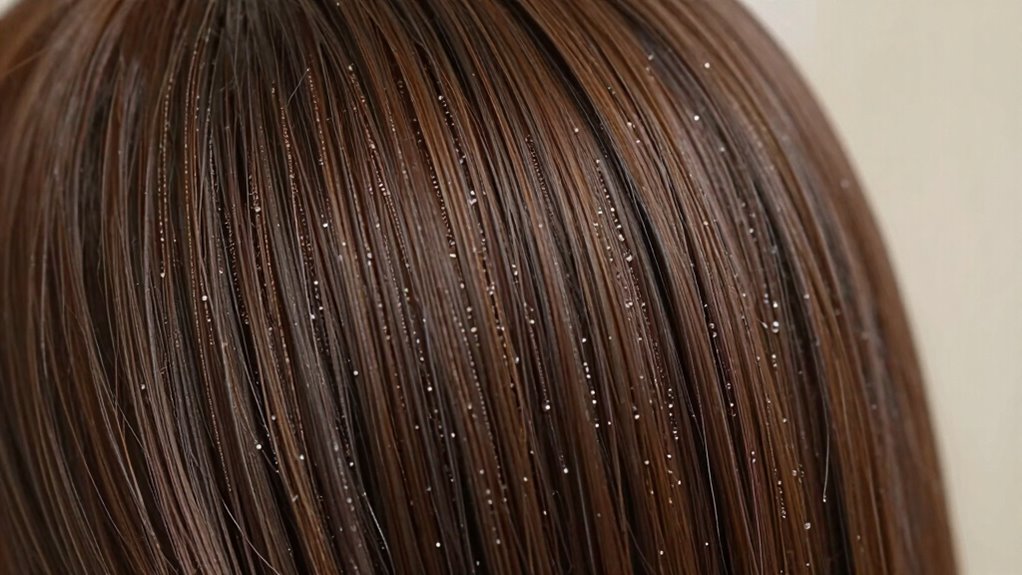
A heat protectant is an vital product for anyone who regularly uses heat styling tools like flat irons, curling wands, or blow dryers. If you want to keep your hair healthy and avoid unnecessary damage, applying a heat protectant correctly is key. When you expose your hair to high temperatures, it can lead to hair damage, causing dryness, split ends, and breakage. That’s where a good heat protectant steps in, forming a barrier that minimizes heat’s harmful effects.
The first step is understanding how product application impacts your results. You don’t want to skimp or overdo it; even distribution is essential. Start with damp or dry hair, depending on the product instructions. Usually, spraying or applying a small amount of the protectant evenly throughout your hair ensures every strand gets covered. Focus on the mid-lengths and ends, where hair tends to be more vulnerable to heat damage. If you notice your hair feels greasy or weighed down, you might be using too much product; if it feels dry or brittle afterward, you might need to apply a bit more next time. Proper application guarantees your hair is protected without sacrificing volume or movement.
Once you’ve applied the heat protectant, give it a few moments to absorb into your strands. This step is often overlooked but is important because it allows the product to form a protective layer. You can also comb through your hair gently to evenly distribute the product, especially if you’re working with sprays or liquids. Remember, the right amount helps maintain your hair’s natural shine and softness while offering protection.
Allow the product to absorb and evenly distribute for optimal heat protection and shine.
Additionally, choosing a flat iron or other styling tool with adjustable temperature settings can help minimize heat damage, especially when used in combination with a heat protectant. Using too little protectant won’t provide enough barrier against heat, leading to potential hair damage. Conversely, applying too much can weigh your hair down and make styling more difficult. The goal is to strike a balance—enough to shield your hair without leaving it greasy or sticky. Always follow the instructions on your specific product, as formulations vary. Some sprays require a light mist, while creams or serums might need to be warmed in your hands before application.
Products Worth Considering

Sonos Era 100 SL Compact Microphone-Free Speaker, Black

Levoit Core 600S-P Smart Air Purifier for Large Rooms

LEVOIT Vital 100S-P Smart Air Purifier with Washable Pre-Filter
As an affiliate, we earn on qualifying purchases.
Frequently Asked Questions
Can Heat Protectant Damage My Hair if Overused?
Overusing heat protectant can cause hair buildup, leading to dullness and weighed-down strands. While it’s unlikely to damage your hair directly, relying too much on it might create product dependency, making your hair feel greasy or sticky. To avoid this, use the recommended amount, wash your hair regularly to remove excess product, and give your hair a break from heat styling occasionally.
Does Heat Protectant Work on All Hair Types?
Heat protectant works on all hair types, but its effectiveness depends on your hair texture and product compatibility. Whether you have straight, wavy, curly, or coily hair, a good heat protectant forms a barrier that shields your strands from damage. Just choose a formula suited for your hair’s needs. When applied correctly, it’s like giving your hair armor—no matter the texture, it’ll thank you for the protection.
How Often Should I Reapply Heat Protectant During Styling?
You should reapply heat protectant every time you add a new heat tool or step in your styling process, especially if you’re working on different sections. This guarantees the product’s ingredient stability stays effective, maintaining protection. Keep in mind, reapplying too often might reduce product longevity, so only do it when necessary. Staying mindful of how often you reapply helps your hair stay protected without overdoing it.
Can I Use Heat Protectant With All Heat Styling Tools?
It’s a common misconception that heat protectant works with all heat styling tools, but it actually has limitations. Not all formulations are compatible with every tool, especially high-heat devices like curling wands or straighteners. You should check the product label for heat protectant compatibility to make certain it won’t break down or cause buildup. Using it correctly helps shield your hair effectively, but overuse or incompatible tools can reduce its protective benefits.
Is Heat Protectant Effective Against Very High Temperatures?
Heat protectant can be effective against very high temperatures if you choose the right product. Look for formulations designed to withstand high temperature thresholds, usually above 400°F, to protect your hair from damage. Always check the label for temperature recommendations, and apply generously. Keep in mind that some products work better with specific heat styling tools, so selecting one tailored for high heat is key to maintaining healthy hair.
Conclusion
Remember, applying heat protectant is your secret weapon, much like a shield in a hero’s arsenal. Just as Frodo relied on his armor to face Mordor, your hair needs protection before battling high heat. Use the right amount, evenly distribute, and you’ll keep your locks looking radiant and healthy, ready to face whatever the stylist or day throws at you. Protect your hair, and it’ll reward you with shine and strength, no magic required.