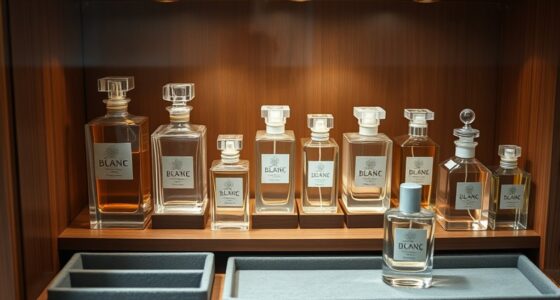

Citrus, floral, and oriental are key scent families that help you understand perfume profiles. Citrus notes like lemon and bergamot add freshness and zest, making your fragrance lively from the start. Floral notes such as jasmine and rose offer softness and elegance, forming the heart of many scents. Oriental notes like vanilla and amber bring warmth and richness, creating depth. Knowing these terms helps you recognize and choose scents that match your style—explore further to discover how these notes blend perfectly.
Key Takeaways
- Citrus refers to fresh, zesty scents like lemon, bergamot, and grapefruit, offering an uplifting top note.
- Floral notes include jasmine, rose, and lily, providing softness and romantic middle notes.
- Oriental fragrances feature warm, rich ingredients like vanilla, amber, and spices, forming deep base notes.
- Scent terms categorize fragrances into families, helping identify their dominant characteristics.
- Understanding these categories aids in selecting perfumes that match personal preferences and desired scent layers.

Have you ever been overwhelmed by the complex language on perfume bottles or in fragrance descriptions? It can feel like deciphering a secret code, especially when terms like “fragrance note classifications” and “scent layering techniques” are thrown around. Understanding these concepts is key to truly appreciating what makes a scent unique. Fragrance note classifications help organize the different aromas you experience in a perfume, typically divided into top, middle, and base notes. For example, citrus scents usually fall into the top notes, providing an immediate, fresh burst of energy when you first spray the perfume. Floral notes often form the heart of the fragrance, offering a soft, romantic, and often sweet aroma that lingers after the initial burst. Oriental notes, on the other hand, tend to be deeper, warmer, and more exotic, often used in base notes to give a perfume richness and longevity.
Getting familiar with scent layering techniques allows you to understand how these notes work together to create a harmonious fragrance. When you combine citrus with floral notes, you might get a bright, lively scent that feels fresh and inviting. Layering techniques enable perfumers to craft complex profiles by balancing different fragrance note classifications, and as a wearer, you can learn to appreciate how these combinations evolve over time. For example, a citrus top note may fade quickly, revealing a floral heart, which then settles into a warm, oriental base. Recognizing these *progressions* helps you better understand why certain perfumes develop and change as you wear them.
Understanding scent layering reveals how perfumes evolve from fresh citrus to warm, oriental bases.
Decoding fragrance terms also involves understanding how scent families are categorized. Citrus, floral, and oriental are broad categories within the perfume world, but each contains a variety of specific notes. Citrus notes include lemon, bergamot, and grapefruit, offering a zesty, uplifting start. Floral notes encompass jasmine, rose, and lily, providing softness and elegance. Oriental fragrances include ingredients like vanilla, amber, and spices, giving a rich, seductive depth. Knowing these classifications helps you identify what kind of scent profile a perfume has and whether it aligns with your preferences.
Additionally, understanding the natural materials used in perfume creation can deepen your appreciation of fragrance craftsmanship and how different ingredients contribute to scent development. Knowing these classifications helps you identify what kind of scent profile a perfume has and whether it aligns with your preferences.
Ultimately, the more you learn about fragrance note classifications and scent layering techniques, the better equipped you’ll be to choose perfumes that truly resonate with you. Instead of feeling lost amid the jargon, you’ll see how different scents are constructed, how they interact, and how they can be layered to craft a signature scent. This knowledge makes exploring fragrances more engaging and personal, allowing you to select perfumes that match your mood, style, and personality with confidence.

Swiss Arabian Casablanca - Luxury Products From Dubai - Long Lasting, Addictive Personal EDP Spray Fragrance - Seductive Signature Aroma - 3.4 Oz
CASABLANCA: YOUR NEW SIGNATURE SCENT. Opens with finest notes of Grapes and uplifting Apple. The beating heart of...
As an affiliate, we earn on qualifying purchases.
Frequently Asked Questions
How Do Citrus Fragrances Affect Mood and Energy Levels?
Citrus fragrances instantly lift your mood and boost your energy levels. When you wear or smell citrus scents, they stimulate your senses, making you feel more alert and positive. These fragrances are perfect for mornings or when you need a quick mood enhancement. Their fresh, vibrant aroma energizes you, helping you stay focused and motivated throughout the day. Incorporating citrus scents into your routine can genuinely elevate your overall vibe.
What Are the Key Differences Between Floral and Floral-Oriental Scents?
Imagine you’re choosing a perfume for a daytime event. Floral scents, like jasmine, have a simple scent composition and tend to be lighter with shorter fragrance longevity. In contrast, floral-oriental scents blend floral notes with warm, spicy elements, creating a richer aroma that lasts longer. You’ll notice floral fragrances feel fresh and delicate, while floral-oriental scents offer depth and complexity, making them ideal for evening wear.
Can Oriental Fragrances Be Suitable for Daytime Wear?
Yes, oriental fragrances can be suitable for daytime wear, especially when you use seasonal fragrance pairing and fragrance layering techniques. Opt for lighter, less intense oriental scents, and layer them with fresh citrus or floral notes to create a balanced, sophisticated aroma. This approach allows you to enjoy the warmth and richness of oriental fragrances while keeping your scent appropriate for daytime settings.
How Do Fragrance Notes Evolve Over Time on the Skin?
When you apply a fragrance, the notes evolve over time, starting with the top notes that catch your attention immediately. For example, you might notice a fresh citrus burst that gradually blends into heart notes like jasmine. To enhance scent longevity, consider fragrance layering, which helps the scent develop smoothly and lasts longer. Over hours, the base notes, such as vanilla or musk, emerge, creating a richer, lingering aroma on your skin.
Are There Any Common Misconceptions About Citrus and Floral Scents?
You might think citrus and floral scents last forever, but misconceptions about scent longevity often lead to disappointment. People also believe myths about ingredient purity, assuming all natural ingredients are better or safer, which isn’t always true. In reality, citrus notes tend to fade quickly, while floral scents can last longer. Understanding these misconceptions helps you choose fragrances that match your expectations and enjoy them fully over time.
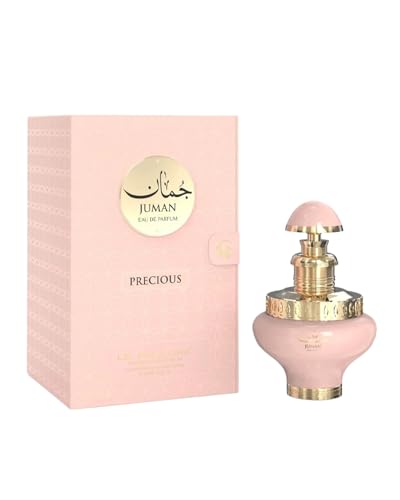
Juman Precious Eau De Parfum, niche Collection, Luxury Fragrance Spray 100ml (3.4Fl Oz) for women
LUXURY FRAGRANCE: JUMAN_Precious Eau De Parfum offers a sophisticated scent experience in an elegant 100ml (3.4 Fl Oz)...
As an affiliate, we earn on qualifying purchases.
Conclusion
Now that you’ve uncovered the secrets behind citrus, floral, and oriental notes, you hold the key to fragrance mastery. Think of these terms as your fragrant map, guiding you through a world of scent possibilities. With this knowledge, you can select perfumes that truly speak to your personality—like a signature tune. So, go ahead—embrace your newfound scent savvy and let your fragrance tell your story, one note at a time.

Lattafa Niche Emarati Durrah Eau De Parfum Spray 100ml (3.4 oz) | Soft. Blooming. Unforgettable.
Niche Emarati Durrah by Lattafa is a soft yet radiant fragrance that opens with the delicate sweetness of...
As an affiliate, we earn on qualifying purchases.
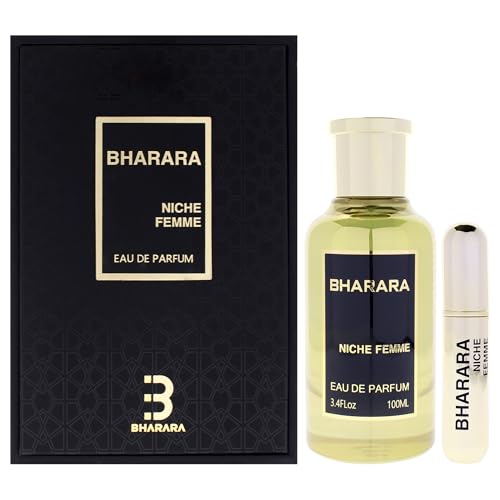
Niche by Bharara for Women - 3.4 oz EDP Spray
Luxurious and elegant floral fragrance.
As an affiliate, we earn on qualifying purchases.