
TL;DR

Get your next haul delivered free with Prime
- Fast, free delivery on millions of items
- Prime Video, Amazon Music and more included
- Member-only deals all year
Cordless power tools have evolved into powerful, versatile options for many jobs, thanks to improved batteries and electronics. Choosing the right platform, understanding performance specs, and caring for batteries can make or break your experience.
Imagine tackling a renovation or a landscaping project without being tethered by a cord. No dragging, no tripping, just pure freedom of movement. That’s what modern cordless power tools offer.
They’ve shifted from handy extras to core equipment for DIYers and pros alike. But with dozens of brands, countless features, and evolving tech, figuring out what truly matters can feel overwhelming. You’ll learn how to decode the specs, pick the right platform, and keep your tools running smoothly for years to come.
Always prioritize platform compatibility to maximize your tool ecosystem and save money in the long run.
Don’t judge a cordless tool by its voltage alone—performance depends heavily on motor design, electronics, and battery quality.
Brushless motors offer longer runtime, less maintenance, and better durability for demanding jobs.
Match tool specs like torque, RPM, and impact rate to your typical tasks for better efficiency and results.
Proper battery care and storage extend the life and safety of your cordless system.
What Makes a Cordless Power Tool Actually Good?
When you pick a cordless tool, you want it to perform reliably, last long, and feel right in your hand. The key is understanding what features and specs impact real-world use.
Performance depends on a few core factors: motor design, battery capacity, and electronics. For example, a drill with a high torque rating might still underperform if its motor isn’t efficient or if the battery can’t sustain power under load.
Imagine trying to drill through dense hardwood. A tool with a solid 60 Nm of torque, a high-quality brushless motor, and a battery pack with at least 4Ah capacity will make that job feel easier and faster. Conversely, a lower-end model might stutter, heat up, or drain quickly.
Choosing a tool with these features means balancing power and runtime. High-torque motors and larger batteries tend to increase weight and cost, so consider what’s necessary for your typical tasks. For instance, if you often work on heavy-duty projects, investing in a high-performance model pays off by reducing frustration and increasing efficiency. Conversely, for light, occasional use, a simpler, lighter tool might suffice, but be aware that it may need more frequent recharges or may struggle under load.
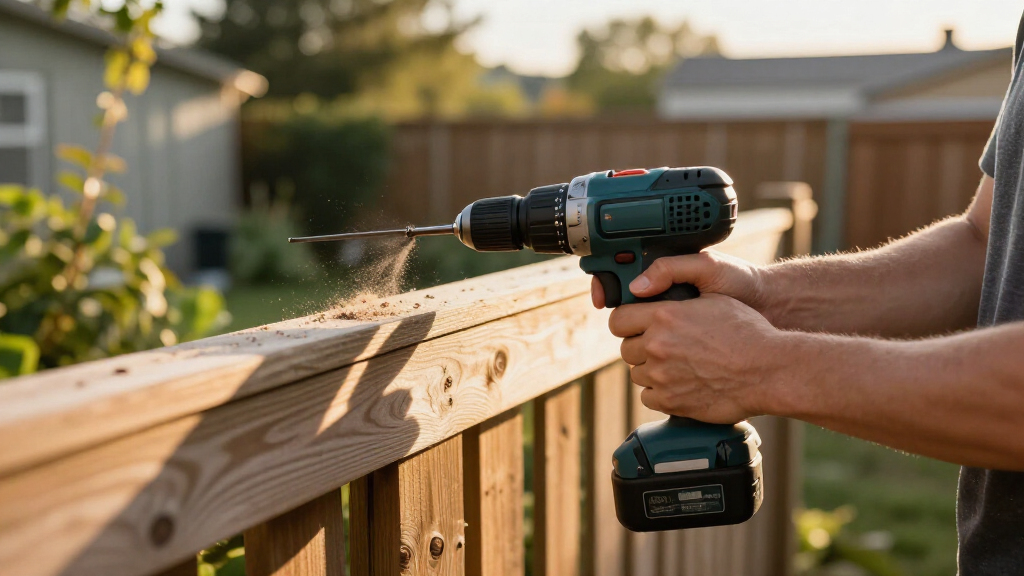
cordless power drill with brushless motor
As an affiliate, we earn on qualifying purchases.
As an affiliate, we earn on qualifying purchases.
Battery Platforms: Why Compatibility Matters More Than You Think
Battery compatibility is the backbone of a smart cordless system. It’s not just about brand loyalty — it’s about building a reliable ecosystem that saves you money and hassle in the long run.
Choosing the right platform means you can interchange batteries across multiple tools, which is especially valuable if you’re investing in a set of equipment. Compatibility ensures that your batteries provide consistent power and that you don’t encounter issues like underperformance or damage caused by mismatched voltage or connector types.
For example, Milwaukee’s M18 system allows you to swap batteries seamlessly across dozens of tools, reducing the need to buy multiple batteries and chargers. This flexibility can lead to significant savings and increased convenience, especially on job sites or in busy workshops. However, it’s important to note that even within a platform, different generations or models may have compatibility nuances—always check manufacturer charts before expanding your collection.
In terms of implications, investing in a compatible platform means you’re building a future-proof toolkit. You can upgrade or expand your set without replacing existing batteries or tools, which ultimately saves money and reduces clutter. It also simplifies training and reduces confusion, as you only need to learn one system’s quirks and maintenance routines.
high capacity lithium-ion battery for power tools
As an affiliate, we earn on qualifying purchases.
As an affiliate, we earn on qualifying purchases.
Voltage and Capacity: What You Need to Know
| Key Term | What It Means | Real-World Impact |
|---|---|---|
| Voltage | Typically ranges from 12V to 60V in cordless tools. Higher voltage generally indicates more potential power, but it’s not the sole determinant of performance. The design quality of the motor, electronics, and battery management systems play critical roles in actual output. | A 20V Max drill is suitable for most household tasks, offering a good balance of power and portability. Meanwhile, a 60V impact wrench provides the torque needed for heavy-duty applications like lug nut removal or construction tasks. However, higher voltage tools tend to be heavier and more expensive, so weigh your needs carefully. For example, if you only occasionally need heavy torque, a 20V or 18V model may be more practical, while frequent heavy-duty work justifies the investment in higher voltage systems. |
| Amp-hours (Ah) | Indicates the amount of charge a battery can store — effectively, how long it lasts under load. Larger Ah ratings mean longer runtime, but they also add weight and cost. The tradeoff is between extended use and portability. | A 5Ah battery can power your tools for longer periods before needing a recharge, making it ideal for extended projects. However, heavier batteries may cause fatigue during prolonged use. For quick, light tasks, smaller Ah batteries are more comfortable but may require more frequent recharging. Understanding this helps you balance workload with convenience, selecting batteries that match your typical project duration and portability needs. |
| Watt-hours (Wh) | Calculated as voltage multiplied by Ah, providing a standardized measure of stored energy across different systems. It allows you to compare batteries with different voltages directly, understanding which offers more energy capacity. | For instance, an 18V 5Ah battery (90Wh) and a 36V 2.5Ah battery (also 90Wh) store the same energy, but their size, weight, and how they deliver power can differ. High Wh capacity usually means longer runtime, but the actual performance also depends on the tool’s efficiency and electronics. Recognizing these tradeoffs helps in choosing batteries that deliver the right balance of power, runtime, and weight for your specific needs. |
Understanding these numbers helps you pick batteries that match your workload—longer projects need bigger capacity, but for quick fixes, smaller packs are lighter and easier to handle.
As an affiliate, we earn on qualifying purchases.
Brushless vs. Brushed: Which Motor Tech Wins?
Brushless motors are the game-changers in cordless tools, offering more power, longer runtime, and less maintenance. They use electronic control instead of carbon brushes, which wear out over time, leading to increased durability and efficiency. This electronic control also allows for smarter motor management, optimizing power delivery based on load conditions, which results in better performance and less heat buildup.
Imagine a professional electrician working overhead. A brushless drill, with its lighter weight and cooler operation, reduces fatigue and increases efficiency, allowing longer work sessions without overheating. Moreover, brushless motors tend to have higher efficiency, which translates into more runtime per charge and less energy wasted as heat. This means you can work longer without swapping batteries or risking motor burnout, especially on demanding tasks.
Brushed motors are cheaper and still useful for light tasks or occasional use, but they wear out faster and require more maintenance over time. For those who regularly tackle heavy-duty projects, investing in brushless tools reduces long-term costs and downtime, making them a smarter choice despite a higher initial investment.
According to industry data, brushless motors can extend battery life by up to 30% compared to brushed models under the same workload, which can significantly impact productivity and cost over time.
tool platform compatibility batteries
As an affiliate, we earn on qualifying purchases.
As an affiliate, we earn on qualifying purchases.
Frequently Asked Questions
How long does a cordless-tool battery last per charge?
It varies widely based on capacity, tool type, and workload. A typical 4Ah battery might last 30-45 minutes of continuous drilling or impact driving. Heavy-duty applications drain batteries faster, while light tasks extend runtime. Always carry spares for longer projects.
Is 18V the same as 20V Max?
They are very close but not identical. 18V is nominal, while 20V Max indicates the maximum initial voltage when fully charged. Most tools in this range are compatible, but always verify platform specifications before mixing batteries.
Should I buy a 12V or 18V tool?
For lighter tasks like hanging pictures or assembling furniture, a 12V tool is easier to handle and lighter. For larger projects or heavier drilling, 18V provides more power and longer runtime. Choose based on your typical workload and comfort.
Can I leave a battery on the charger overnight?
Most modern chargers automatically stop charging once the battery is full, making overnight charging safe. However, avoid leaving batteries on the charger for extended periods once fully charged to prolong battery health.
Are aftermarket batteries safe?
Quality varies. Reputable brands follow strict safety standards and include protections like thermal monitoring. Cheaper, unbranded batteries may lack these safety features and could pose fire or damage risks. Always buy from trusted sources.
Conclusion
Choosing the right cordless power tools isn’t just about picking the most powerful or the cheapest model. It’s about understanding how they work together and what your specific needs demand.
Invest in a compatible platform, focus on quality over raw specs, and treat your batteries with care. That way, your tools will serve you reliably for years — whether you’re hanging shelves or building a deck.
Now, think about the projects waiting in your garage or workshop. The freedom of cordless isn’t just convenience — it’s your new superpower.
Halloween Picks
halloween
As an affiliate, we earn on qualifying purchases.